

Power, Cities and Fairness – Rethinking the Energy Transition in Urban Life
Energy rarely draws attention until it becomes a problem. It appears in rising heating bills or in the sudden arrival of a wind turbine next door. Today the energy transition is no longer distant. It is unfolding inside our neighborhoods and it is not unfolding evenly.
Young people are often told to switch off lights and travel less, while large corporations continue operating with limited constraint. That imbalance is not just frustrating – it is structurally flawed. Responsibility is being misallocated. If emissions are concentrated, then accountability must be too.
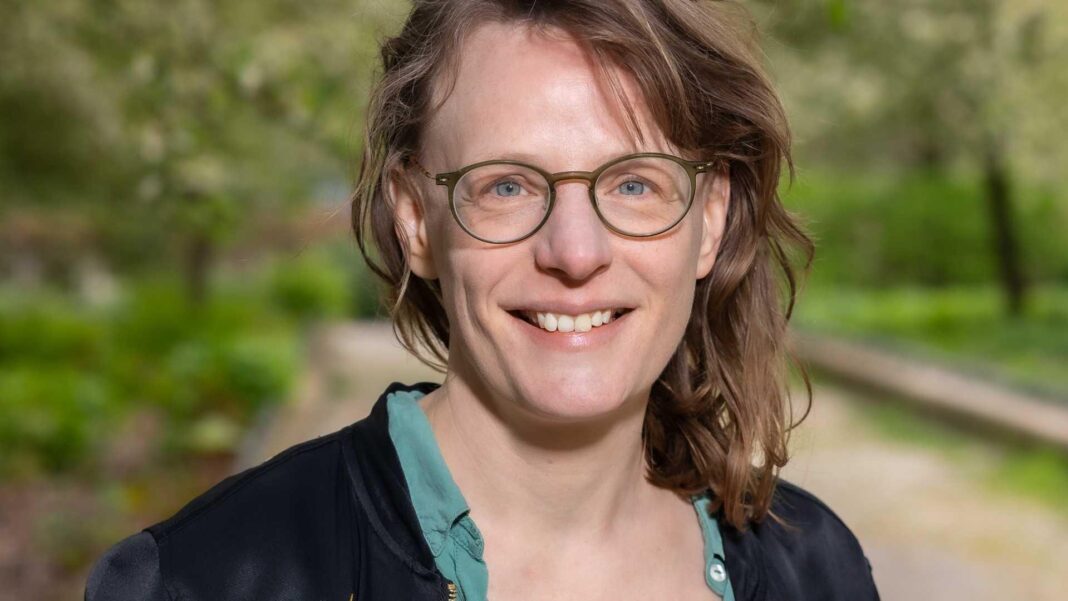
A conversation with Thamar Zijlstra, a councillor in Amsterdam West, brings this into focus. Her work highlights a core issue: the transition is not only technical. It is political and deeply social.
Low-income communities face disproportionate risks. Upgrading homes or adapting to new systems requires capital, many simply do not have. Without targeted policy support the transition reinforces inequality, instead of reducing it. Any serious framework must start with redistribution mechanisms, not just incentives.
At the same time cities need to open decision-making. Energy infrastructure – whether solar projects or district heating – directly affects daily life. Yet communities are often informed rather than involved. That approach creates resistance and slows implementation. Participation is not a bonus feature. It is operationally necessary.
Corporations remain the central actors in urban emissions. Pretending otherwise weakens policy design. Yes, individual behavior matters. But it is marginal compared to industrial output. Strong regulation, transparent emissions reporting and real financial pressure on high-impact sectors are non-negotiable.
Zijlstra also points to a more grounded layer of change. Community gardens, repair workshops and local initiatives make sustainability visible and social. These efforts build trust. Still, they are not substitutes for systemic reform. They are support mechanisms, not solutions.
Urban development adds another layer of tension. Cities must build faster, while also building greener. The real opportunity lies in designing complete neighborhoods – integrating housing, energy systems, mobility and green space from the start rather than retrofitting later.
Mobility policy shows, where clarity already exists. Electrifying cars alone is not enough. Reducing dependency on cars altogether is the more efficient path. Cities that prioritize cycling and public transport are not idealistic – they are pragmatic.
The energy transition is often framed as a technological upgrade. That is a shallow reading. It is a redistribution of power, cost and influence. The critical question is not whether the transition will happen. It is who shapes it and who pays for it.
This article is produced by Charahja van Broekhoven, Alexandra Osina, Peace Ojoma Idoko, Alexandra Lawrentiev, Taeyun Kim, Longrui Deng, Beatrise Abelkalna, Lauren van Laarhoven-Hargreaves, participants in the Bright Future Foundation, as part of the European Union’s “Participate & Promote Democracy” Youth Participation project, in cooperation with Diplomat Magazine, Embassy of the Netherlands in Armenia and young members of the Armenian partner organization Promising Youth.