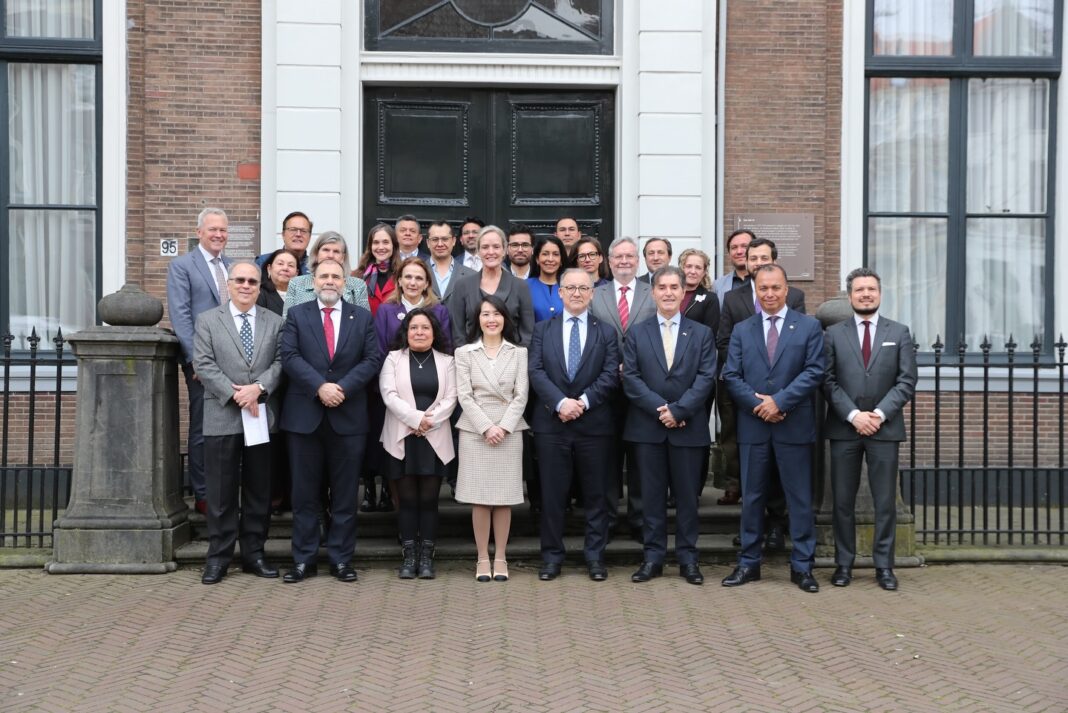

The first semester of 2026 marked an important chapter for the Group of Latin American and Caribbean Countries (GRULAC) in the Kingdom of the Netherlands. As Panama assumed the coordination of the Group from Mexico on 1 January, it did so with a commitment to continuity, cooperation, and the strengthening of ties between Latin America and the Caribbean and one of Europe’s most dynamic centres of diplomacy, innovation, and international governance.
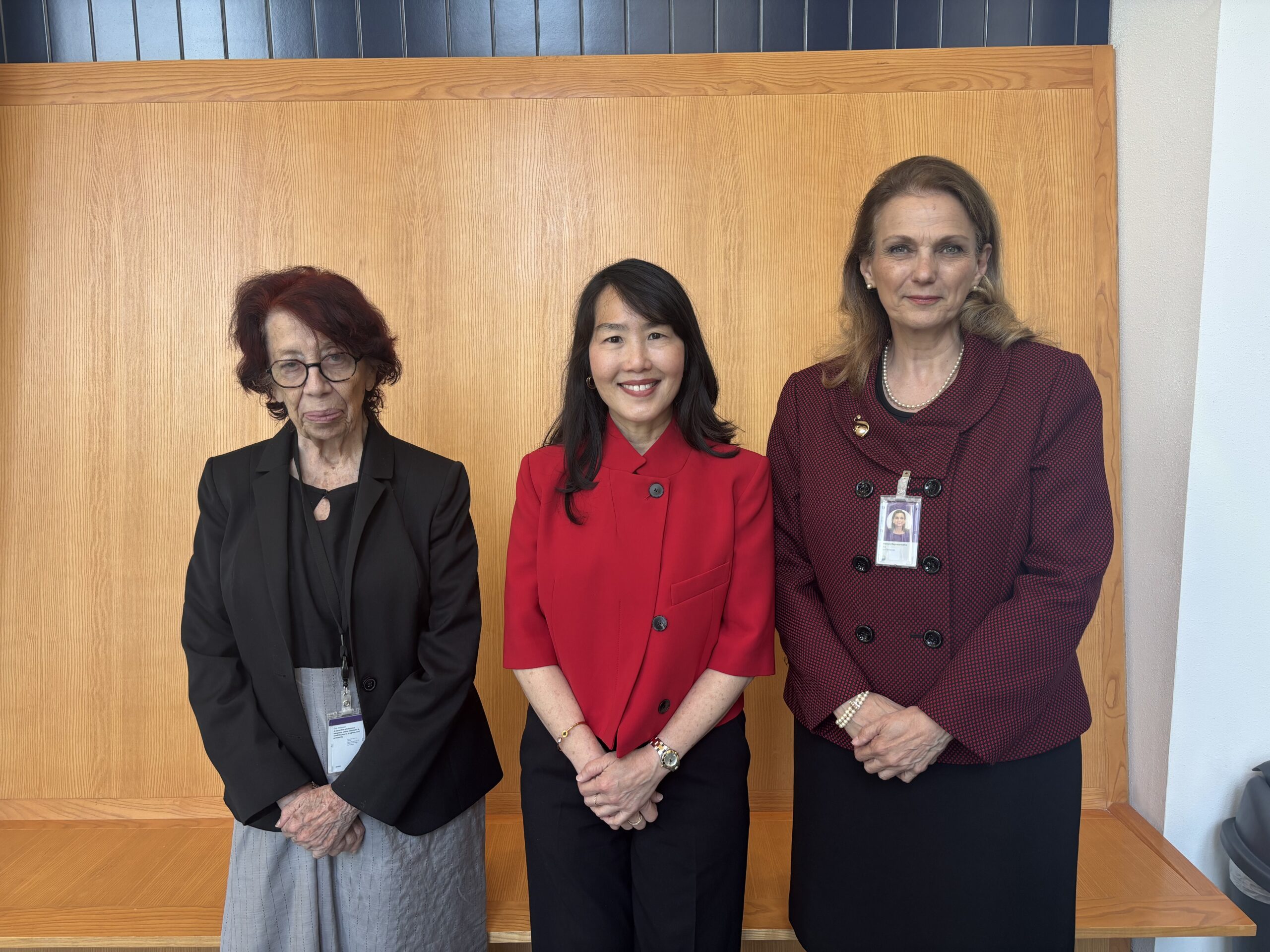
The transition was supported by the close collaboration of the GRULAC Troika, composed of H.E. Ms. Carmen Moreno Toscano, Ambassador of Mexico; H.E. Ms. Sally Loo Hui, Ambassador of Panama; and H.E. Ms. Franca Deza Ferreccio, Ambassador of Peru. Together, they ensured the continuity of ongoing initiatives while advancing new opportunities for engagement with Dutch institutions, international organizations, academia, and the private sector.
The semester also represented a notable milestone in diplomatic representation. The coordination and institutional continuity of GRULAC were guided by an all-female Troika, reflecting the growing role of women in international affairs and demonstrating the value of inclusive leadership in advancing regional priorities.

One of the most significant achievements of the semester was the strengthening of economic diplomacy through the Latin America and Caribbean Business Dialogue. Conceived as a platform for practical engagement between Latin American and Caribbean countries and the Netherlands, the initiative brought together ambassadors, policymakers, business leaders, academics, and sector experts to explore opportunities for cooperation and investment.
Discussions focused on areas of strategic importance, including water management, infrastructure, ports and logistics, energy, strategic materials, agribusiness, advanced manufacturing technologies, and economic free zones. By creating a space where public- and private-sector stakeholders could exchange perspectives and identify areas of mutual interest, the Dialogue reinforced the region’s position as a strategic partner for sustainable investment, innovation, and economic growth.
The promotion of connectivity also formed part of this broader economic agenda. Engagements with representatives of Air Europa explored opportunities to increase the visibility of Latin American and Caribbean destinations and strengthen links between the two regions through tourism and commercial exchanges.
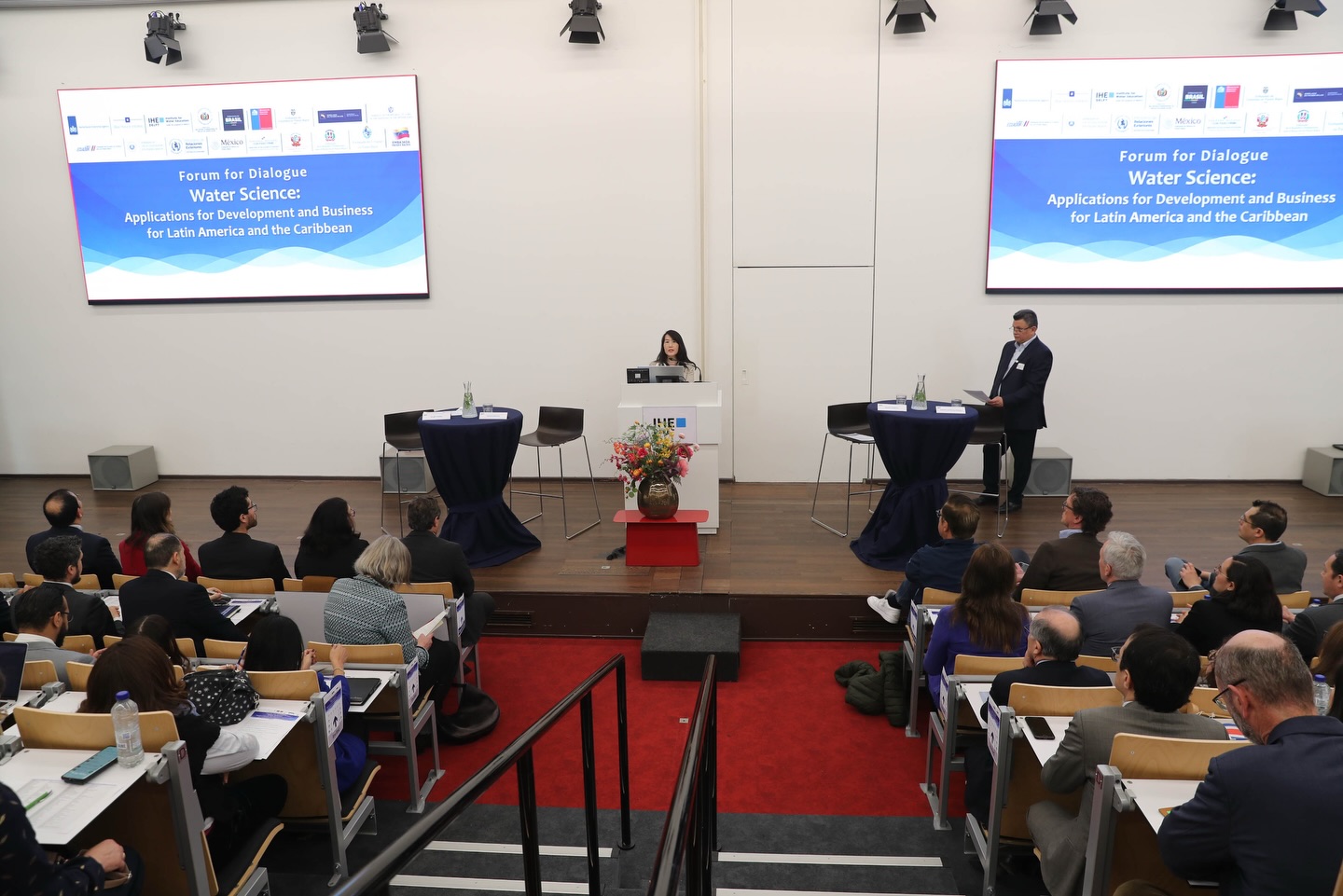
Science diplomacy and climate resilience constituted another major pillar of Panama’s coordination. Building on initiatives launched during Mexico’s tenure, GRULAC organized the Forum for Dialogue, Water Science: Applications for Development and Business for Latin America and the Caribbean, which highlighted the role of scientific knowledge and technological innovation in addressing development challenges and generating economic opportunities.
The forum demonstrated how water science can serve as a bridge between research, policymaking, and business development while also fostering collaboration between Dutch institutions and countries across the region. These efforts were complemented by exchanges with Deltares, one of the Netherlands’ leading centres of expertise in water and climate adaptation, and with Dialectik, a Dutch organization specializing in socio-ecological intelligence for climate resilience. Together, these initiatives underscored the growing importance of science-based cooperation in addressing shared environmental challenges.

Knowledge exchange and capacity building remained central to the GRULAC agenda. Presentations and dialogues with Dutch institutions and experts provided valuable opportunities to deepen understanding of issues ranging from migration governance and the European Union Asylum Pact to circular economy practices, international education, and academic cooperation.
Among these exchanges was a presentation by Dr. Aniel Pahladsingh, Senior Lawyer at the Legal and Litigation Department of the Dutch Ministry of Social Affairs and Deputy Judge at the District Courts of Rotterdam and Amsterdam, who provided insights into contemporary European migration and asylum policies. Additional engagements with the International Solid Waste Association (ISWA), the T.M.C. Asser Institute, the Holland Alumni Network, and the GoAbroad Fair further strengthened connections between the region and Dutch institutions in the fields of education, governance, sustainability, and professional development.
GRULAC Ambassadors also participated in a strategic dialogue with The Hague Institute for Geopolitics, which provided an updated assessment of political developments in the Netherlands and their potential implications at the national and European levels. Such exchanges highlighted the importance of understanding the political and institutional environment of the host country in order to strengthen diplomatic engagement.

Consular cooperation likewise remained an important component of the Group’s activities. Through collaboration with SHOP Den Haag and a visit to Casa Migrante Amsterdam, GRULAC consular representatives exchanged experiences and gained valuable insights into the protection and support of vulnerable populations, including issues related to human trafficking, sex work, migrant integration, and social assistance. These initiatives demonstrated the practical value of regional cooperation in addressing shared consular challenges.
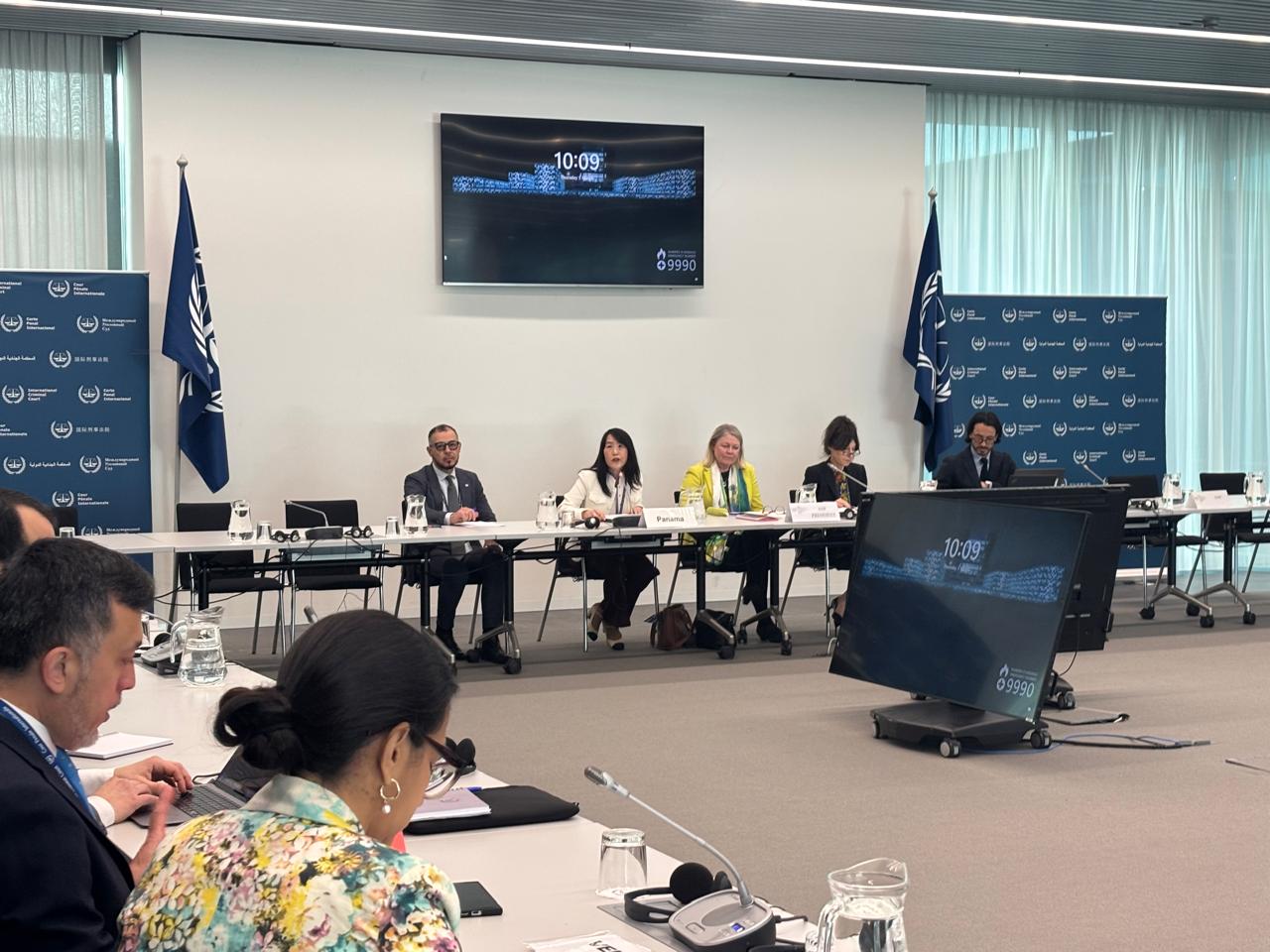
As the international city of peace and justice, The Hague offers unique opportunities for dialogue with organizations and institutions that shape global governance. Throughout the semester, GRULAC Ambassadors engaged with key actors in the international legal and multilateral system, including the President of the Assembly of States Parties of the International Criminal Court, the Secretary-General of the Permanent Court of Arbitration, and the Registrar of the International Court of Justice.
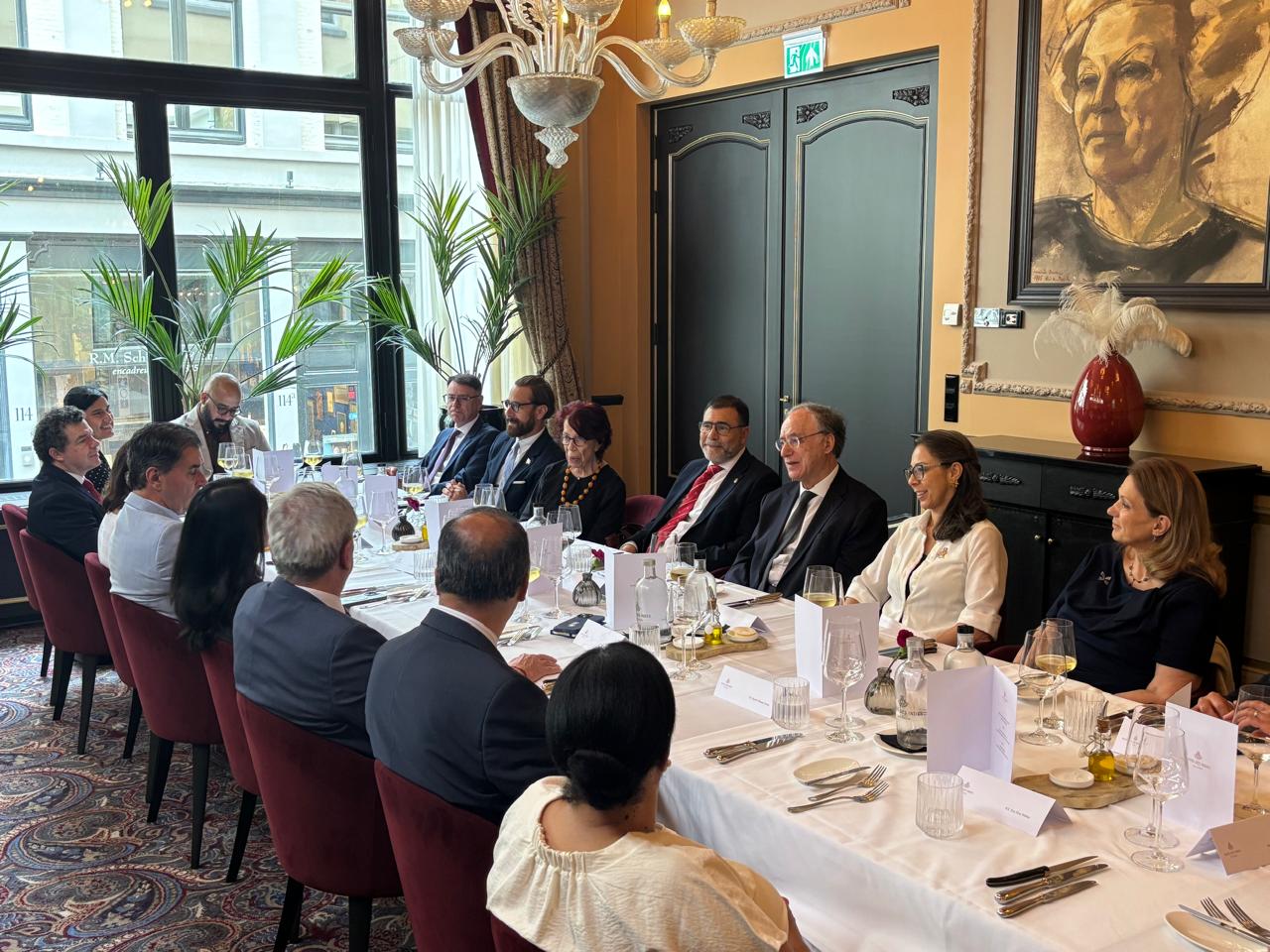
These exchanges reaffirmed the longstanding commitment of Latin American and Caribbean countries to international law, multilateralism, and the peaceful resolution of disputes. The semester also included a farewell luncheon in honour of the Director-General of the Organisation for the Prohibition of Chemical Weapons, H.E. Fernando Arias, recognizing his contribution to international peace and security and the strong relationship maintained between the Organisation and the countries of the region.
Panama’s coordination of GRULAC during the first semester of 2026 demonstrated the value of continuity, collaboration, and collective leadership. Through the combined efforts of Mexico, Peru, and Panama within the Troika framework, the Group advanced a dynamic agenda that strengthened political dialogue, promoted economic and scientific cooperation, expanded institutional partnerships, and reinforced engagement with the international community.
Above all, the semester illustrated how regional cooperation can translate into concrete opportunities for innovation, knowledge sharing, and sustainable development. Guided by a shared vision and strengthened by inclusive leadership, GRULAC continued to build bridges between Latin America, the Caribbean, and the Kingdom of the Netherlands, contributing to a more connected and collaborative international environment.