
THE HAGUE — On Saturday 5 September, the Lange Voorhout once again became one of the most international places in The Hague as the Embassy Festival 2026 brought together the cultures, traditions, music, food and stories of 47 countries.
From noon until 8 pm, thousands of visitors travelled around the world without leaving the city centre. The annual festival, now in its 14th edition, offered a free day of cultural discovery, with two stages, an extensive International Market and a renewed Activity Passport inviting visitors to explore the many participating countries.
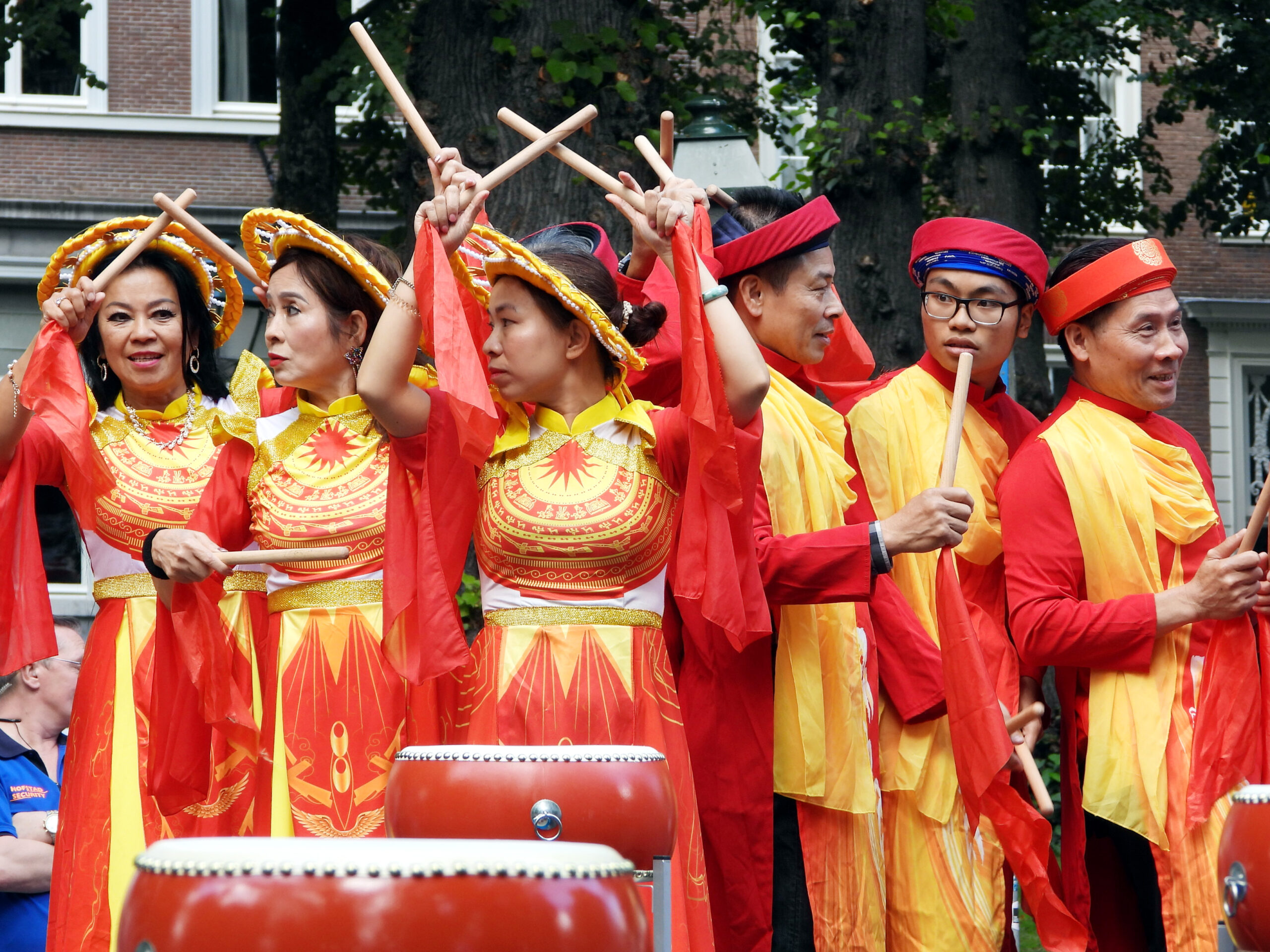
Music and dance from around the world
The festival programme reflected the extraordinary variety of cultures represented in The Hague. At the Harmony Hub, audiences encountered everything from Aruban bossa nova and Estonian jazz to Mexican troubadour music, Ukrainian a cappella singing, Romanian panflute and the powerful sound of Japanese taiko drums performed by Circle Percussion.
The Folk in Motion Stage continued the journey with Moroccan Gnawa, Georgian sword dance, Chilean cueca, Ukrainian folklore, West African djembé, Bolivian Tinku, Kosovo-Albanian dance and K-pop. Traditional music and dance from Oman and the Dominican Republic brought the programme towards its lively conclusion.
A special feature was The Embassy Sessions, in which The Hague-based band Yellofox opened its folk repertoire to musicians from different traditions, creating an informal musical exchange between cultures.
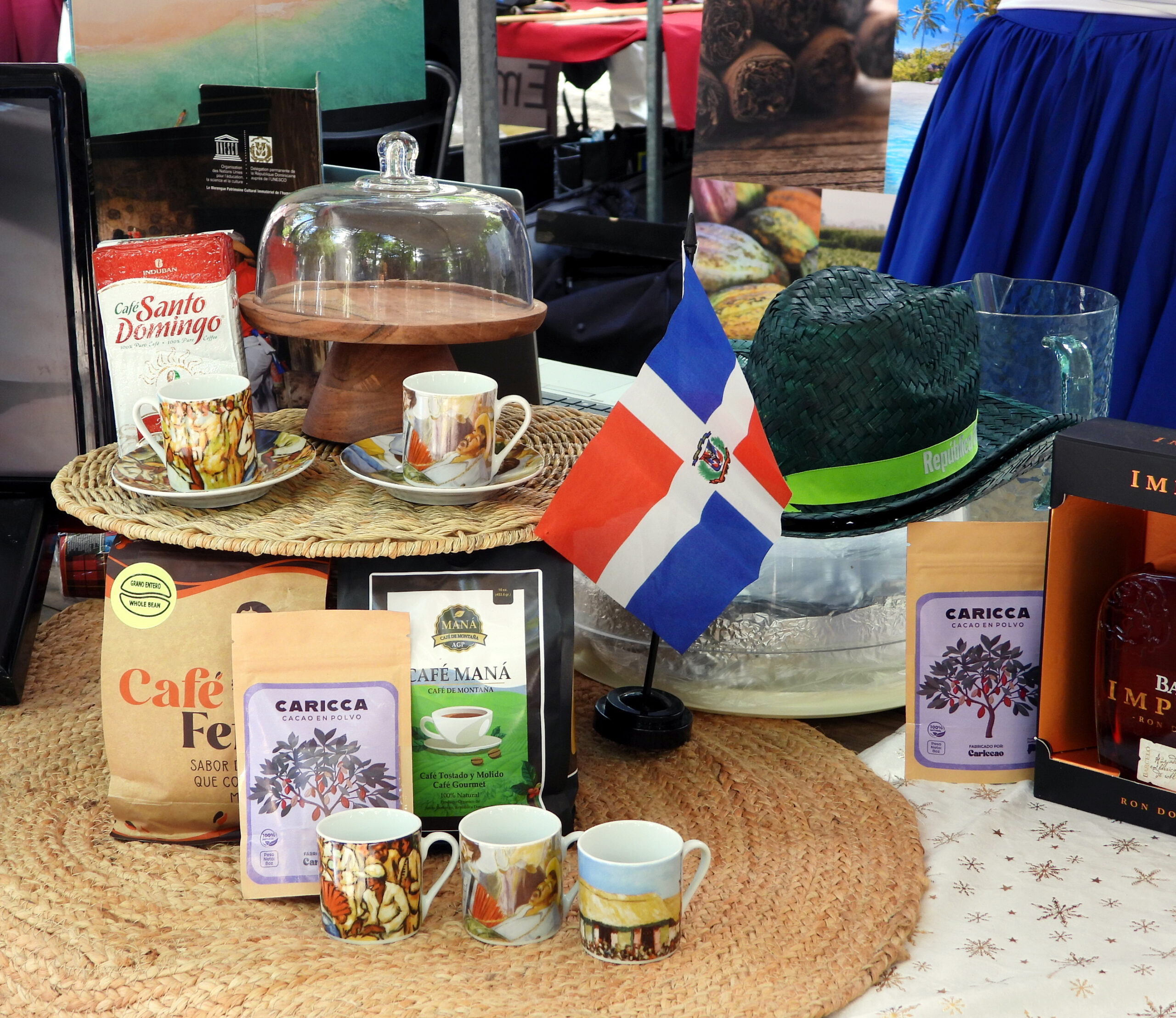
A world of flavours and traditions
The International Market remained at the heart of the festival. Embassy pavilions, restaurants and cultural organisations welcomed visitors with food, crafts, demonstrations and stories.
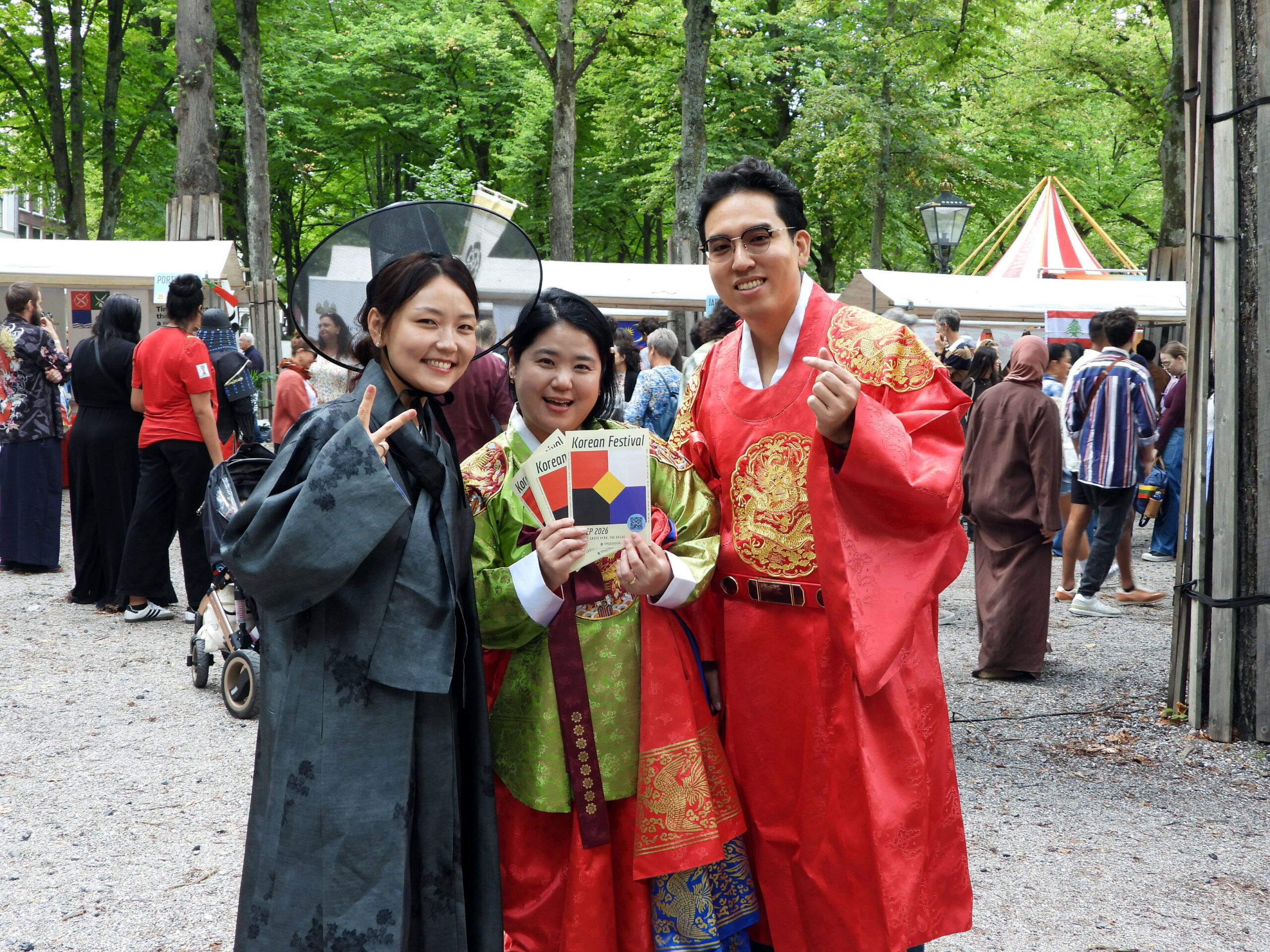
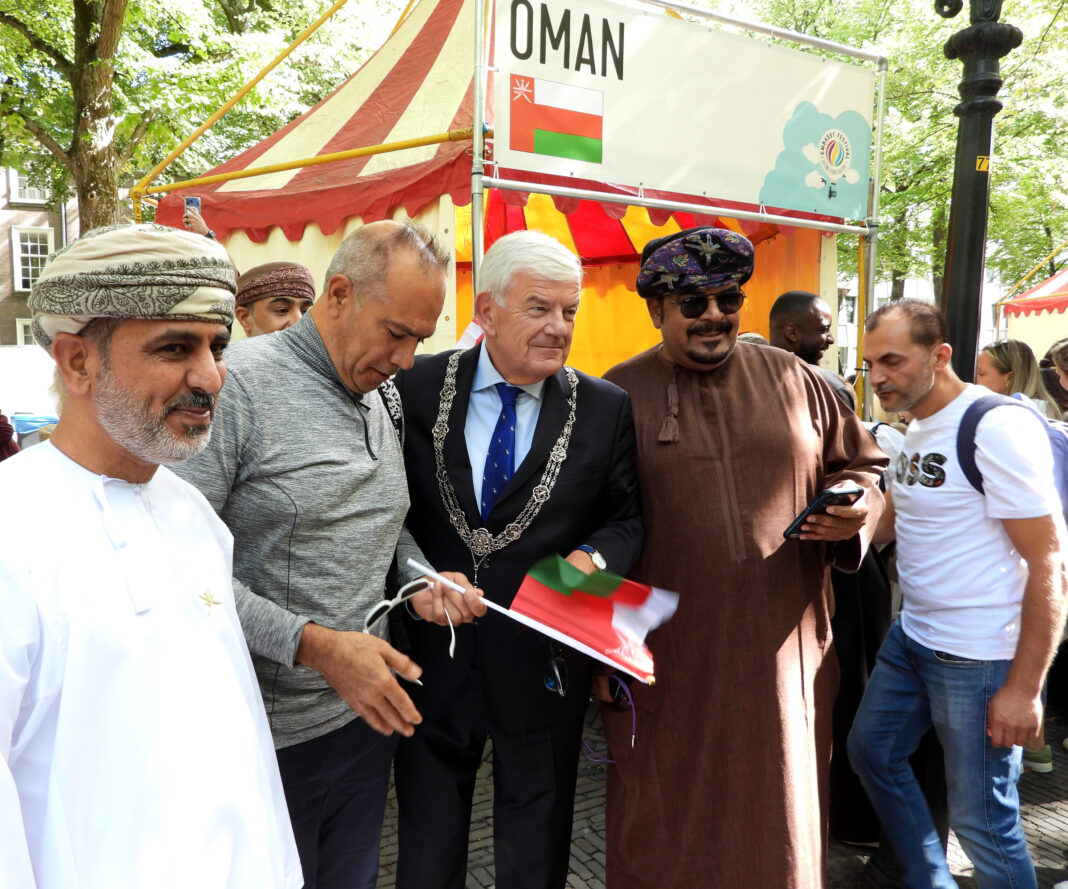
Georgian wine and the tradition of the supra, Ghanaian Kente and Fugu, Qatar’s pearl-diving heritage, Slovenian honey and sparkling wine, Omani hospitality, Tunisian metalwork, Ukrainian vybiika printmaking, Yemeni silver, Ecuadorian toquilla hats, Filipino street food, Korean language and food culture and Mexican salsas were among the many experiences offered along the Lange Voorhout.
The diversity extended beyond the market stalls. Visitors could learn about traditions, try new foods, meet members of international communities and discover cultural practices presented directly by the countries themselves.

A passport to the world
The renewed Activity Passport added an interactive dimension to the festival. With 39 numbered stops, visitors could choose their own route and collect stamps while learning, tasting and taking part in activities.
Among the experiences were learning the Serbian Kolo, joining an Angolan Batuque workshop, trying Japanese kendama or origami, making a Ukrainian vybiika bookmark, tasting Mexican salsas, discovering the difference between jasmine and glutinous rice at the Embassy of Laos and writing one’s name in Korean Hangeul.
The passport turned the festival into more than a programme of performances: visitors became active participants in their own cultural journey.
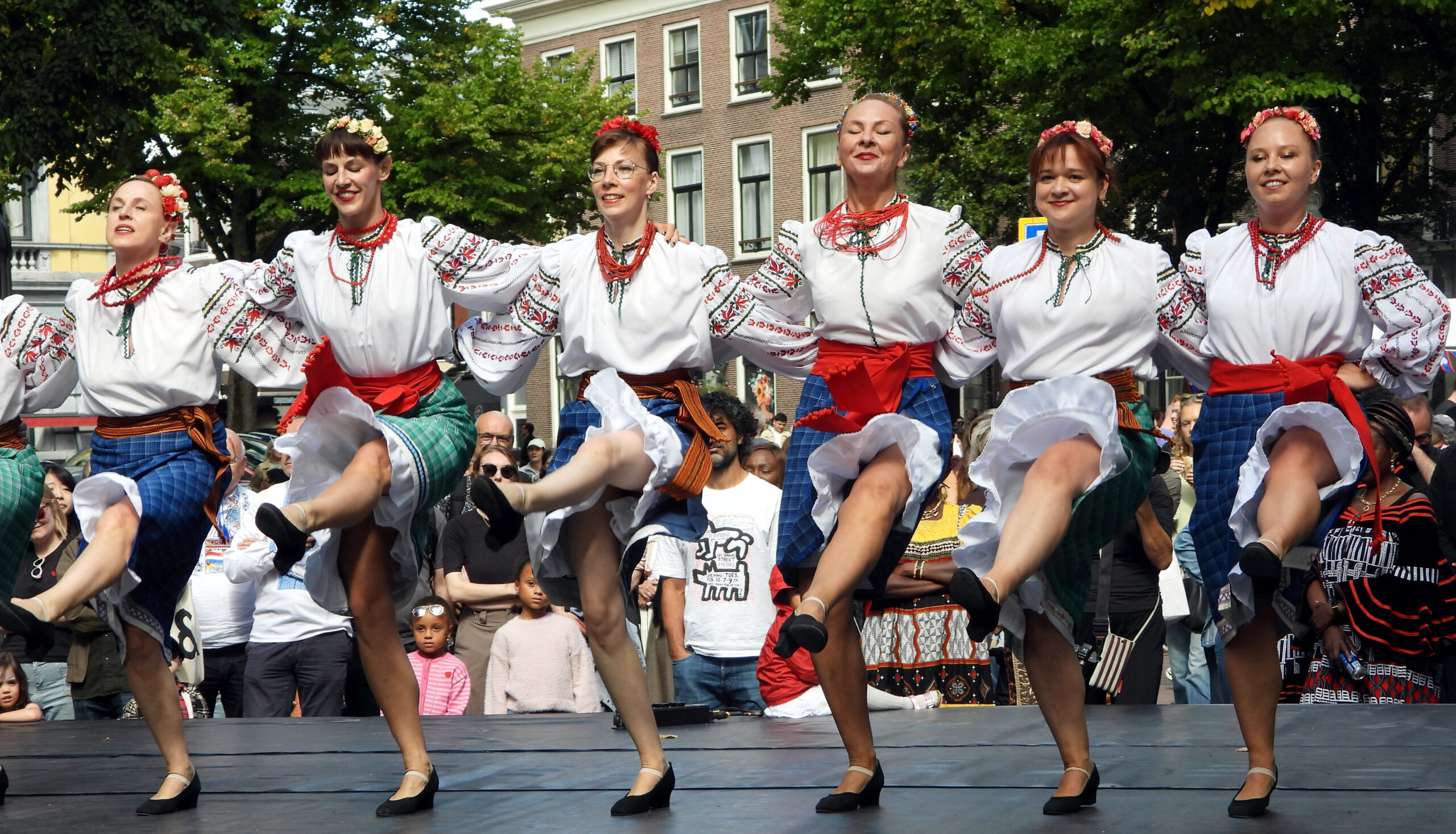
The Hague celebrates its international character
The strong turnout and lively atmosphere once again demonstrated the appeal of an event that places international culture at the centre of public life in The Hague. Local reporting described the Lange Voorhout as busy throughout the day, with performances, international food stands and country pavilions creating a relaxed meeting place for cultures from around the world. (070online)
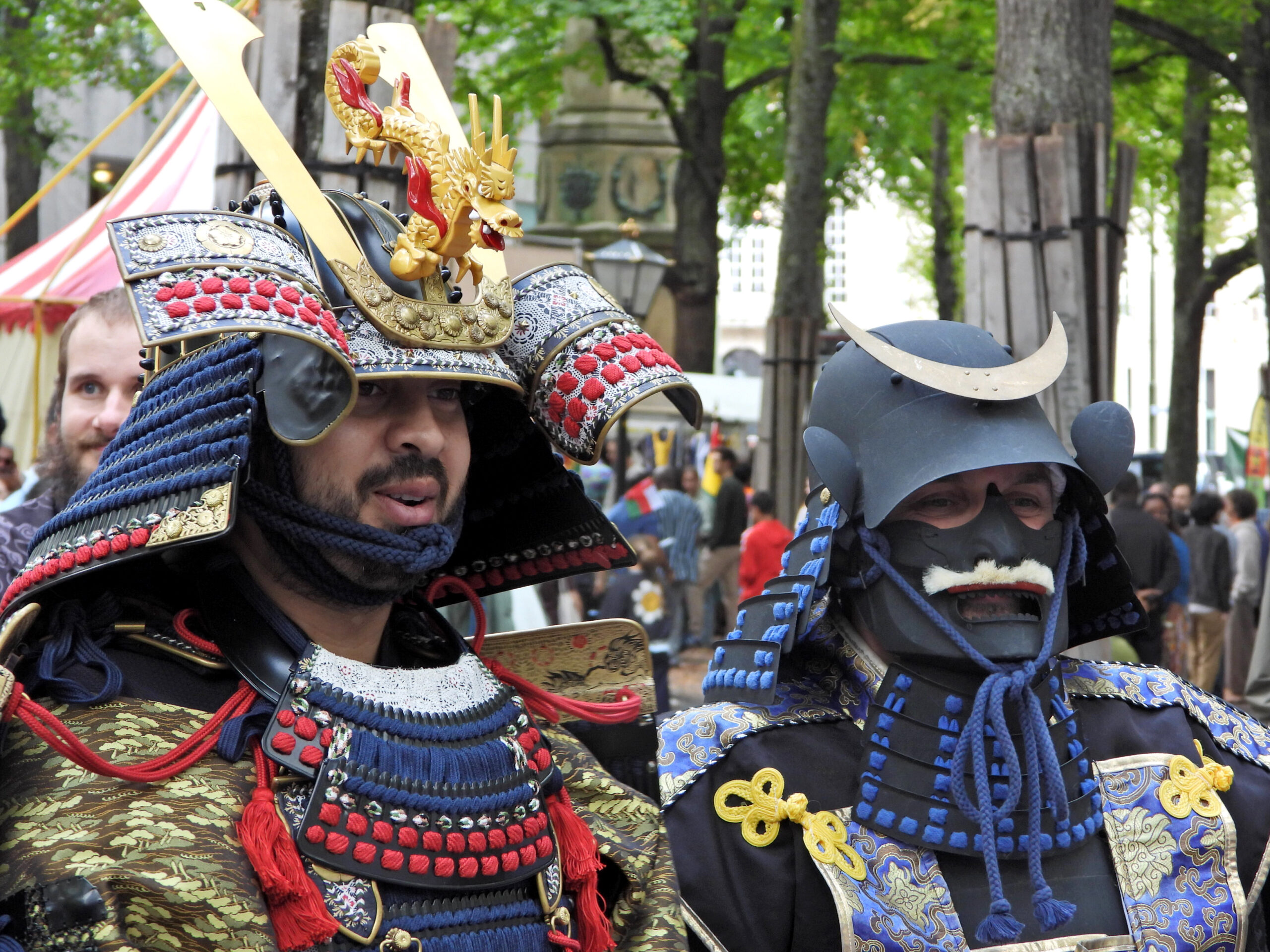
The Embassy Festival has become a distinctive feature of The Hague’s cultural calendar, reflecting the city’s international community while opening that world to residents and visitors alike.
For one September day, the Lange Voorhout offered a simple invitation: discover the world, meet its people and experience its cultures — all in the heart of The Hague.
Pictures by Roy Srtik for Diplomat Magazine