
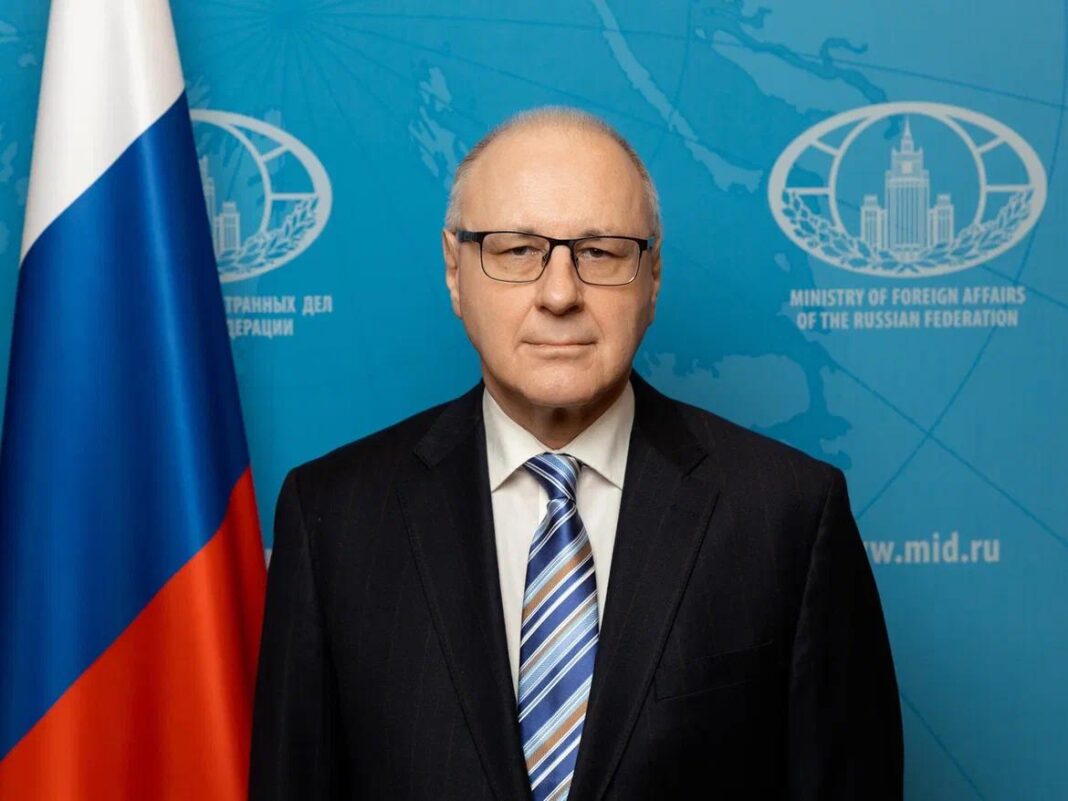

By H.E. Mr. Vladimir Tarabrin, Ambassador of the Russian Federation to the Kingdom of the Netherlands
For Russia, June 12 is a special date – the National Day of Russia. This day symbolizes the continuity of modern Russian statehood throughout history. For millions of our citizens, this Day serves as a reminder of the importance of national unity.
As President of Russia Vladimir Putin stated: «Over the course of more than a thousand years, our statehood has passed through different eras, including brutal invasions by enemies, fragmentation, and the tragedies of internal strife. Yet each such difficult period ultimately ended in the rebirth of the Fatherland. Heroic generations of our people overcame hardships and adversity, endured every trial, created and enhanced the greatness of our Motherland, and brought glory to their names».
Today, Russia seeks to strengthen its position on the global stage. Despite unprecedented external pressure and sanctions, our economy demonstrates resilience and the ability to adapt effectively to new conditions. Sound macroeconomic policies and the development of domestic production help ensure economic stability and the implementation of long-term national objectives.
Particular attention is being devoted to strengthening technological and industrial sovereignty. Russia maintains leading positions in a number of strategic sectors, including energy, nuclear industry, space technologies, agriculture, and the defense-industrial complex.
The nuclear industry serves as a prime example. Russia is the first country in the world to actively develop fourth-generation nuclear technologies aimed at closing the nuclear fuel cycle. Furthermore, it is the only country in the world with a fleet of nuclear-powered icebreakers that utilize nuclear technology to maintain a permanent national presence in the Arctic. This allows for year-round navigation on the Northern Sea Route, one of the most promising trade routes of the 21st century.
The Russian Federation remains one of the world’s largest suppliers of food products and energy resources, making a significant contribution to global food and energy security. Amid instability in international markets, our country continues to fulfill its obligations to partners and advocates equitable economic cooperation free from the politicization of trade and sanctions.
An integral part of Russia’s national identity remains its immense cultural and scientific heritage. Russian scientists, writers, composers, and artists have long been a part of the world’s cultural legacy.
Throughout its history, Russia has evolved as a country of dialogue among cultures, where the diversity of traditions and identities serves as a source of development and internal resilience. It is precisely this historical experience that enables our country to consistently advocate for the establishment of a fair multipolar system of international relations based on equal and indivisible security, respect for the cultural and civilizational identity of nations, and the right of every state to independently determine their own paths of development.
As stated in the Concept of the Foreign Policy of the Russian Federation approved by President Vladimir Putin, our key priority is “striving for a system of international relations that guarantees reliable security, preservation of its cultural and civilizational identity, and equal opportunities for development for all states, regardless of their geographical location, territorial size, demographic profile, resource base, military potential, or political, economic and social systems”.
Russia is actively developing relations with the countries of Asia, Africa, the Middle East, and Latin America, while strengthening cooperation within BRICS, the SCO, and other multilateral frameworks. Expanding ties with Global South countries reflects objective trends in the modern world and contributes to a more stable and balanced international system.
At the same time, Russia consistently advocates for maintaining open dialogue and seeking diplomatic solutions to international problems. Russian diplomacy has traditionally been guided by the principle of considering the interests of all parties and preventing escalation of conflicts.
Preserving the memory of the Victory over Nazi Germany during the Second World War is of particular importance for Russian society. It was achieved through the unparalleled courage and self-sacrifice of millions of Soviet citizens. This memory must never be forgotten!
12 June symbolizes the continuity of our nation’s history, which has endured and overcome many challenges throughout the centuries. Modern Russia looks confidently toward the future, relying on its own resources, historical experience, and the potential of its people. Strengthening sovereignty, ensuring security, improving citizens’ quality of life and developing international cooperation on the basis of equality remain key objectives of our country.