Colombia Celebrates 215 Years of Independence

By Roy Lie Atjam

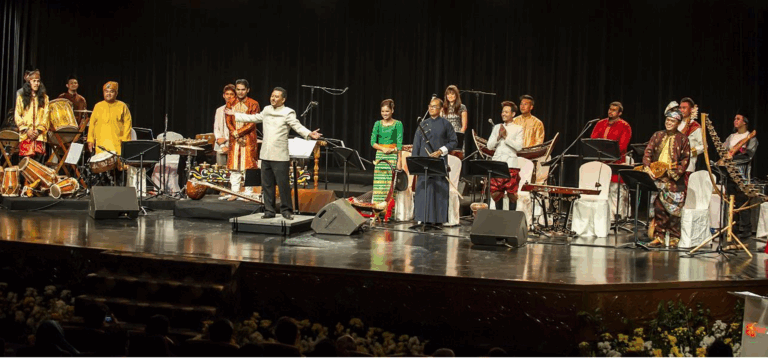
On July 4, 2025, the Embassy of the Republic of Colombia in the Netherlands, under the acumen direction of H.E. Ambassador Carolina Olarte Bácares, organized a captivating performance by Ensálsate, one of Colombia’s finest salsa dance companies. This vibrant display was a fusion of passion and rhythm, offering a genuine celebration of Colombian culture.

Ambassador Carolina Olarte Bácares captivated the audience with her reflections on Colombia’s extraordinary journey through history, highlighting the nation’s rich heritage and promising future. She passionately emphasized Colombia’s commitment to strengthening ties with the Kingdom of the Netherlands and the Dutch Caribbean islands.

Ensálsate

Emphasizing the theme “Building Bridges,” the Ambassador outlined Colombia’s efforts to connect with Aruba, Curaçao, as well as Haiti. A significant moment occurred during President Gustavo Petro’s visit to Haiti on July 18, 2025, where he concluded vital bilateral projects in security, commerce, education, and agriculture. On this visit, he inaugurated Colombia’s new Embassy, just ahead of Colombia’s Independence Day on July 20, a date of great significance as Haiti played a crucial role in Colombia’s liberation alongside Venezuela, Ecuador, and Panama from Spanish colonial rule.

Ambassador Carolina Olarte Bácares address to  the many guests “ thank you all for joining us today and  of course many thanks to our performers of Ensálsate who delight us with their skill.

Colombians here today and all of you who have visited our country or been in touch with our culture might know how present music and dance is in the life of our people. What we have just seen, however, is a level of talent that deserves all our praise and recognition.

Ensálsate, from Colombia.

In late October and November last year, Cali was the world capital of biodiversity as the 16th United Nations Conference on Biodiversity (the COP16) took place in the city. Due to its popularity and overall presence, Cali is also the capital of one of the many musical expressions enjoyed by Colombians throughout our different regions: salsa.

Fortunately, having these dancers from Cali make you witness first-hand what “Salsa Caleña” looks like allows me to align my remarks with what their art transmits: joy, skill, dedication, rhythm.

Joy, since today we are celebrating in advance the 20th of July, Colombia’s National Day. This milestone makes us reflect on 215 years of independence of our nation, more than two centuries in which we recognize the courage and determination of all those who, day after day, have forged and consolidated our autonomy, self-determination, and constant development through their work and effort.

Also skill and dedication because these are required from all of us to try to achieve, just as the performers, the perfect synchrony with our key partners in the Netherlands, be it other States, organizations, institutions or our nationals.

These interactions come at times with twists, turns or jumps, sometimes at a high-pace, other times slower, at times closer, or maybe further, while not always the same side taking the lead every time.This “dance”, in a certain way, in which we engage with the best interest of Colombia, its partners and nationals in mind is part of what we commemorate today.

We have the privilege of celebrating our National Day with all of you, and particularly in the Kingdom of the Netherlands, with whom we have worked closely to maintain and promote the democratic values ​​that unite us.

Indeed, this past year has allowed us to further consolidate our bilateral relations through the high-level political consultation mechanism that took place last November in The Hague. After reviewing a full and intense bilateral agenda, such meeting marked the continuation of multiple high-level visits to our two countries in several of the sectors where our relationship is robust.

For example, in environmental and sustainability matters, and more particularly with respect to the joint fight against climate change, we had the honor of receiving a visit to our country from His Royal Highness Prince Jaime de Bourbon de Parme, Climate Special Envoy of the Netherlands,  to deepen bilateral cooperation on climate and water resilience. Later on, we confirmed our commitment to clean energy through our participation with a Colombian Pavillion at the 2025 World Hydrogen Summit and Exhibition in Rotterdam, showcasing our country as a strategic partner in the green hydrogen market.

Likewise, the cooperation between Colombia and the Netherlands in the field of security and defense remains a cornerstone of our efforts to promote peace and regional stability as well as  the fight against transnational organized crime. This was sealed this year by  the visit from the Commander of the Royal Netherlands Navy, Vice Admiral Rene Tas.  As a result, the relationship between our navy industries has undoubtedly strengthened, and can be verified in the progress made on the construction in COTECTMAR, our shipyard in Cartagena, of one of the new Colombian frigate in  partnership with the centennial Dutch company DAMEN.

Additionally, police collaboration was reinforced through our officers at EUROPOL celebrating the 20th anniversary of the Operational and Strategic Cooperation Agreement with Colombia, and by the presence of General Triana to the Netherlands in March 2025, in his capacity as both the Director General of the Colombian National Police and the President of AMERIPOL.

Last November our Embassy carried out the initiative “Building Bridges between Colombia, Aruba, and Curaçao”. This incredible initiative was conducted in coordination with the Colombian consulates in these Caribbean islands, and relied on the strong support of the respective governments and their Plenipotentiary Ministers in The Hague. The project promoted cultural, academic, and commercial ties through youth exchanges, sustainable tourism discussions, and culinary diplomacy. This kind of dynamic initiatives paves the way for our firm commitment of enduring our South-South cooperation strategy with the Dutch Caribbean states and territories.

Finally, we are honored to continue showcasing Colombia’s spirit of peace, diversity, and diplomacy through our “Ambassador in the Seas of the World”, the Colombian Navy flagship “ARC Gloria”. Last year, we had the privilege of celebrating Colombia’s National Day aboard the Gloria, and I am pleased to announce that the vessel will visit Aruba in August 2025; then, next year, in May, it will dock in Willemstad Curaçao, and finally in September, it will visit us again in The Hague.

Looking ahead to this bilateral agenda, I am proud to share that in 2026 Colombia and the Kingdom of the Netherlands will celebrate 200 years of bilateral relations. We hope that this upcoming landmark will constitute an opportunity to reflect on our journey as partners, and to envision an even stronger future together.

At the multilateral level Colombia will continue promoting, respecting, and guaranteeing the international rules-based order. Now more than ever, we have additional capacities to do so with even greater emphasis on the occasion of both Colombia’s election to the UN Security Council starting January 2026, and our current presidency of the CELAC regional mechanism, with the consequent organization of the CELAC-EU Summit next November in Santa Marta.

Ambassadors attending Ensálsate’s event by the Embassy of Colombia.

Faithful to its commitment to peace and human rights, Colombia will continue to pay respect for the important judicial work carried out by the International Court of Justice and the International Criminal Court. In consequence, we will strongly advocate for their lasting autonomy and independence.

Regarding the latter institution, we were grateful for the recent visit to Bogotá by the Court’s Registrar, Oswaldo Zavala, and the former Chair of the board of directors  of the Trust Fund for Victims, Minou Tavarez. In turn, we very much appreciate the warm welcome given recently to our Deputy Minister for Multilateral Affairs by the President of the Court, the Deputy Prosecutors, and the Registrar, during his recent visit to The Hague.

Likewise, we celebrate the recent visit to Bogotá by the Secretary General of the HCCH, Christoph Bernasconi, as well as the coming visit by the Secretary General of the PCA, Marcin Czepelak. While the former contributed to advance in our accession to the HCCH statute, the latter will facilitate the signing of the host agreement with the PCA. Likewise, these visits facilitated  engaging in high-level discussions with government authorities, judicial representatives, and academic leaders. Moreover, this collaboration not only strengthened institutional ties but also reaffirmed Colombia’s commitment to the values ​​and objectives that unite a world in turmoil around the decisive contribution of the peaceful settlement of disputes.

I would like to conclude these remarks by mentioning three significant initiatives we have recently supported within the multilateral context, and which align with our convictions regarding multilateralism and the international community.

First, we took part in the creation of the Group of Friends of Spanish in The Hague, which aims to coordinate activities for the defense and promotion of the Spanish language in The Hague.

Colombia’s National Day 2025

Second, and in the same line, we have partnered with The Hague Academy of International Law to organize in March 2026, for the first time in history, a regular course in Latin America that from now on will be held  in Cartagena, contributing to foster the regional international law tradition and contributions, and our vibrant legal industry.

Last but definitely not least important, we are part of the inter-state effort that created, in January of this year, The Hague Group. This  initiative brings together several states in solidarity with the Palestinian people and their right to self-determination.

All this activity constantly builds bridges between Colombia, the Kingdom of the Netherlands, and the organizations and institutions based in the city of peace and justice. Today we want to honor those bridges through culture, art, and gastronomy.

Thank you for your attention, and I’ll leave you again with the second act of Ensalsate, Colombia’s finest salsa dancing company, offering a breathtaking fusion of rhythm, passion, and magic.

The uplifting Colombian afternoon concluded with an enthusiastic participation from ambassadors and diplomats, all swaying to the infectious salsa rhythm, beautifully capturing the spirit of a 215-year celebration.

Ambassador Arnoldo Brenes Castro

0

Costa Rica’s Visionary Candidate for the OPCW Director-General

In a world still facing growing threats from the use and proliferation of chemical weapons, and with increasing geopolitical tensions and challenges, the need for principled, experienced, and visionary leadership at the Organisation for the Prohibition of Chemical Weapons (OPCW) is more critical than ever. The Government of Costa Rica has put forward a candidate for Director-General who embodies these essential qualities and exemplifies the country’s longstanding commitment to peace, the rule of law, and disarmament: Ambassador Arnoldo Brenes Castro.

“I am honored to be presented by Costa Rica for the role of Director-General of the OPCW. With a 30-year career in diplomacy, disarmament, and legal affairs, and a deep belief in the Rule of Law and global cooperation, I am prepared to lead the OPCW with vision and integrity.” – H.E. Arnoldo Brenes Castro

A Nation of Peace, a Candidate of Principles

Costa Rica, the oldest democracy in Latin America, abolished its armed forces in 1948. Since then, it has promoted a diplomatic tradition rooted in dialogue, human rights, and international law. It further enshrined this identity by declaring its permanent neutrality in 1983, becoming the only Latin American country to legally adopt such a status as a pillar of foreign policy.

“Costa Rica’s experience has shown the world that peace and disarmament are achievable when dialogue, diplomacy, and multilateralism are prioritized,” Ambassador Brenes affirms.

This unique path has earned Costa Rica recognition as a global advocate for peaceful conflict resolution and international justice. Home to the Inter-American Court of Human Rights and the UN-mandated University for Peace, the country consistently demonstrates how peace, democracy, and cooperation can serve as the strongest foundations for national and international security.

Costa Rica ‘s ambassador, H.E. Arnoldo Brenes Castro.

“Costa Rica has long been recognized as a global leader in peace, disarmament, and international law. Its commitment to these principles is exemplified by its abolition of the military in 1948, allowing the nation to redirect resources toward education, healthcare, and environmental conservation. This foundational decision has positioned Costa Rica as a moral authority in international forums, advocating for human rights, environmental sustainability, and peaceful conflict resolution.” (Canadian Foreign Policy Institute, Naturewaystravel)

Ambassador Arnoldo Brenes Castro, Costa Rica’s envoy to the Netherlands since December 2020, embodies this legacy and values. With a distinguished career in international law, he has represented Costa Rica in various international courts and organizations, contributing to the nation’s reputation as a steadfast advocate for peace and justice. His candidacy for the Director-General position at the Organisation for the Prohibition of Chemical Weapons (OPCW) reflects his dedication to upholding international norms and promoting a world free of chemical weapons.

A Career Forged in Diplomacy and Law

Ambassador Brenes Castro’s path mirrors Costa Rica’s ideals, forging his unique leadership skills. Educated in law at the University of Costa Rica, the country’s premier public university, he pursued further academic specialization in Human Rights Theory and Practice at the University of Essex in the United Kingdom. This combination of legal rigor and humanitarian vision has shaped his life’s work.

In 1995, he joined the Arias Foundation for Peace and Human Progress, serving as Coordinator of the Security and Demilitarization Program, through which non-military security policies were promoted across Central America and Africa. His work on demilitarization, captured in publications such as The Leadership Challenges of Demilitarization in Africa and Soldiers as Businessmen: The Economic Activities of Central America’s Militaries, remains influential.

At the Ministry of Foreign Affairs of Costa Rica, he held roles of critical importance since the year 2000. In the wake of 9/11, he spearheaded the creation of Costa Rica’s Inter-Institutional Commission against Terrorism, aligning national legislation with UN Security Council resolutions and international conventions. He also trained at the Center for Hemispheric Defense Studies of the U.S. National Defense University, further honing his skills in defense planning and inter-agency coordination for fighting terrorism.

During a time span of two decades, Ambassador Brenes was Advisor to nine Ministers of Foreign Affairs, served as Coordinator of International Litigations and Counsel and Advocate in six major cases before the International Court of Justice (ICJ), and negotiated a landmark maritime delimitation treaty with Ecuador, among other achievements. His leadership in extending Costa Rica’s continental shelf through a joint submission with Ecuador to the UN Commission on the Limits of the Continental Shelf, highlights his diplomatic acumen and legal expertise.

Although not a career diplomat, to date Ambassador Brenes has worked for the last seven Costa Rican governments, originating from four different political parties. “I was privileged to be honoured with the trust of several Ministers of Foreign Affairs and Presidents, and I believe this was possible because I am perceived as a just person, deeply committed to the same principles and values that I have brought forth to my current post of Ambassador to the Kingdom of the Netherlands and Permanent Representative to several international organizations, including the OPCW.

Ambassador Brenes Castro.

International Credentials and Affiliations

Since starting his post in 2020, Ambassador Brenes Castro has long engaged with the multilateral system in The Hague, including work with the International Criminal Court and the OPCW. He has also been actively participating in the Inter-State Working Group to Advance Proposals for International Criminal Accountability for Chemical Weapons Use, reflecting his deep commitment to justice and the Rule of Law.

His distinguished affiliations include:

  • Member of the Permanent Court of Arbitration (appointed in 2019, renewed in 2025)
  • Knight of Magistral Grace of the Sovereign Military Order of Malta
  • Associate at the Instituto Hispano-Luso-Americano de Derecho Internacional

A Vision for the OPCW

“Costa Rica’s commitment to the Rule of Law and peacebuilding influenced my academic and professional path. I am convinced that my roots and my background can bring a positive imprint to my leadership role as Director-General of the OPCW.”

Should he be elected, Ambassador Brenes Castro pledges to lead the OPCW with impartiality, unity, purpose, and unwavering dedication. Besides following up on the strengthening of the Chem-Tec Centre, as well as continuing the on-going work in Syria and Ukraine, he plans to:

  • Emphasize inclusive diplomacy, ensuring that the OPCW remains a trusted multilateral body responsive to all its Member States.
  • Warrant that the organisation’s Technical Secretariat incorporates AI and other emerging technologies in its various fields of work, with a special emphasis on the verification regime; to achieve this, the organization should develop its own in-house capacity, thereby ensuring both the ability to stay up to date with the unprecedented speed in technological progress, while ensuring that protected information is safely handled.
  • Bolster the organization’s verification frameworks to meet evolving challenges.
  • Through cooperation initiatives, work with all Member States to warrant that internal legislation and procedures, are fully adopted for the proper domestic implementation of the obligations derived from Chemical Weapons Convention by all Member States, as well as delivering training and other capacity building initiatives.
  • Promote transparency and public engagement, increasing international awareness on the dangers of chemical weapons, as well as on the relevance of the OPCW and its work, and the unique role it plays in contributing to make the world safer.
  • Foster collaboration with other international institutions to reinforce the chemical weapons non-proliferation regime, as well as to explore additional sources of funding.
  • Continue the efforts to achieve gender balance and a broad and equitable geographical basis within the Technical Secretariat, while seeking the highest standards of efficiency, competence and integrity.
  • Strive to achieve full universality of the Chemical Weapons Convention.

As the OPCW prepares for a new chapter, Costa Rica offers a proven leader shaped by history, forged in international law, and guided by a profound belief in peace, dialogue and multilateral cooperation. Ambassador Brenes Castro’s candidacy offers a blend of legal expertise, diplomatic experience, and a deep-seated commitment to peace, qualities that align with the OPCW’s mission to rid the world of chemical weapons and prevent their re-emergence.

“We must all be extremely proud of the OPCW and its achievements up to date. The world is definitely a better place because of its existence and the work it does. There is in fact no other organization like it. But there are important challenges ahead, many of which require dialogue and diplomacy, grounded in deeply rooted principles. I am ready to lead the OPCW forward—guided by the values of impartiality, efficiency, and dedication to bring forth a safer world.”

Poland handing over EU ceremony

By Roy Lie Atjam

On June 30, 2025, the Embassy of the Republic of Poland hosted a remarkable jazz concert featuring the Marcin Wasilewski Trio, celebrating the conclusion of Poland’s Presidency of the Council of the European Union and the meaningful handover of the presidency to the Embassy of Denmark in The Hague.

The evening inspired an esteemed gathering of representatives from the diplomatic corps, Dutch institutions, international tribunals, and prominent figures from the worlds of culture and European politics. H.E. Ms. Margareta Kassangana, Ambassador of Poland, took this moment to passionately summarize the Embassy’s significant achievements during Poland’s Presidency, highlighting the regular engagement of Heads of Mission with Dutch government ministers, culminating in a valuable working lunch with Prime Minister Dick Schoof. The agenda was rich with expert-level consultations and cultural events that underscored Poland’s leadership and dedication during this pivotal time.

Marcin Wasilewski Trio from Poland. Photography by Pawel Kleineder

Before the artistic part of the evening, a ceremonial handover of the symbolic “Presidency Plate” took place, with Ambassador of the Kingdom of Denmark, H.E. Mr. Ulf Melgaard, accepting the token. The official part concluded with a concert by the Marcin Wasilewski Trio – one of the most outstanding ensembles on the Polish jazz scene – which had also inaugurated the Polish Presidency six months earlier with a performance in Brussels. Their concert in The Hague served as a symbolic closing bracket to Poland’s leadership of the Council.

The hour-long performance was met with enthusiastic applause and highlighted the shared, transnational character of the European Union. The evening concluded with a reception, offering guests an opportunity for informal conversation and reflection on the past six months.

Jazz concert on the Polish hand over ceremony. Photography by Pawel Kleineder

The ceremony in The Hague was not only a summary of the intense Polish Presidency, but also a demonstration of how diplomacy and culture can jointly strengthen European identity and foster closer ties between EU member states.

10 Years of Multilateral Religious Freedom Work

Translating a shared value into shared action

By Knox Thames

Ten years ago, on June 15, 2015, something remarkable happened. For arguably the first time ever, a group of countries decided to work collectively to advance religious freedom for people of different faiths outside their own borders. Throughout history, confessional states have fought for their own. However, in 2015, a new page was turned focused on religious freedom for all. Now, a decade into this experiment, we should reflect on the remarkable progress and the many challenges remaining.

Canadian Initiative, American Partnership

In 2015, with the ISIS depravations against religious minorities coming to light, we saw a need for like-minded nations to band together in defense of the shared value of religious freedom. Canada’s then Ambassador for Religious Freedom, Andrew Bennett, was a key actor, bringing energy and political support. He welcomed partnerships with myself (then at USCIRF) and others. After a series of initial discussions, the effort formally launched on June 15 in Brussels, with Andrew chairing the founding meeting of the International Contact Group on Freedom of Religion or Belief. Many attended, including myself. The city’s international profile hosting the European Union and NATO made it a worthy setting. The Obama administration’s religious freedom ambassador, David Saperstein, joined, as did representatives from key countries like the United Kingdom and the Netherlands, all of whom would play future leadership roles.

The International Contact Group, or ICG, served as an incubator for developing and implementing multilateral diplomacy on freedom of religion or belief (FoRB). While diplomats had collaborated around human rights in general, never before had efforts focused solely on freedom of religion or belief. Unfortunately, Andrew did not have much time to lead the effort. In November of that same year, he stepped down after Justin Trudeau’s election as Prime Minister. But the nascent endeavor continued. Andrew passed the baton, inviting me to serve as ICG co-chair (since I had joined the State Department) with Canadian diplomat Giuliana Natale.

The ICG became a place to share information between subject matter experts and diplomats, meeting twice a year, once in Geneva and once in New York. As I highlight in my book, we experimented with different forms of collective action. For instance, in 2017, we coordinated statements on social media denouncing the house arrest of the Eritrean Orthodox Patriarch and urging his release. While never freed, the government did allow him to attend a mass for the first time in years after the statements. It was a blessing to the Patriarch and a good return on low-cost diplomatic investment.

Larger efforts concerned freeing Asia Bibi in 2018. The Pakistani government refused to let her leave despite being acquitted of blasphemy allegations and released from prison. Through the ICG, we coordinated joint demarches on Islamabad, urging that she be allowed to join her family abroad. With multiple countries all delivering the same message in the same week, the show of force helped convince the military leadership to let her go. We saw how multilateral FoRB advocacy could work in meaningful ways, realizing the benefits of joint action and encouraging more governments to get involved.

When the Trump administration launched a series of ministerial-level meetings in 2018 and 2019, interest grew in elevating multilateral diplomacy to a higher political level. Under the leadership of Sam Brownback, the first Trump administration’s religious freedom ambassador, and a former senator and governor, he wanted something that could punch harder with a higher commitment among actual members. (The ICG was and remains a network.) The International Religious Freedom Alliance was launched in February 2020 with high aspirations. As its Declaration of Principles stated, “The Alliance is predicated on the idea more must be done to protect members of religious minority groups and combat discrimination and persecution based on religion or belief.”

Challenges in a Fraught World

As someone involved in designing the Alliance while co-chairing the ICG, we imported many of the ICG’s proven approaches into the Alliance. Its founding documents highlight a shared commitment to international standards and advocacy cooperation. It stated that the “Alliance intends to advocate for freedom of religion or belief for all” as defined by the Universal Declaration of Human Rights, and that its members are “willing to publicly and privately object to abuses.” Over the past five years, the Alliance has grown from 27 founding members to over 40, while its name changed to the International Religious Freedom or Belief Alliance (IRFBA) and now the Article 18 Alliance. All the while, the ICG continues to meet.

Now, 10 years after the ICG’s founding and five years after the Alliance’s launch, we must ask where to go from here.

The unprecedented level of attention on FoRB is worthy, as repression and discrimination on account of religion or belief continues. While persecution persists, it is undoubtedly less than it would have been without these efforts. However, we must be honest in evaluating whether these networks and meetings make a difference, not just maintaining them for the sake of their own existence. While a proponent of these efforts, meetings for the sake of meetings are the worst of internationalism. But if focused on the mission of religious freedom for all and committed to action, these networks can still serve crucial roles.

A foremost challenge is lessening political attention. The movement in 2015 rode a wave of interest as the ISIS depravities elevated religious persecution in tragically horrific ways. But memories fade. Now, wars in Europe and the Middle East distract policymakers and reduce resources. Talk of religious freedom seems a luxury while ballistic missiles rain down in the Middle East and Russian tanks advance across frontiers. An increasing focus on national interests by the United States and Europe squeezes space for a values agenda while grant money evaporates.

To shore up support, FoRB advocates can articulate how combating religious persecution compliments a hard security agenda while reflecting national values. Religious persecution is not going to fade away just because it fades on the priority list. We know persecution is intertwined with many of the most pressing challenges, directly or indirectly implicated in conflict, migration, and human rights violations. Enlightened self-interest that addresses persecution can make nations safer and more prosperous while lessening human suffering and reducing push factors of migration.

Connected is softening support among voters in democracies. Recent surveys about religious nationalism demonstrate how it is a persistent and common perspective across every region. It is understandable and natural for people to want their leaders to advance their values and look out for their communities. In my experience, most “regular people” outside of world capitals understand how religious freedom for all is the best way to secure a brighter future for their own when explained. It just needs to be explained more. Elected leaders listen to their constituents.

Next Steps

Ten years after the ICG’s launch, an expanding ecosystem of actors are focused on international religious freedom advocacy. Diplomats need not act alone; partnership is crucial. In addition to the ICG and Alliance, others include the International Panel of Parliamentarians for FoRB, the IRF Roundtables, UN NGO FoRB Committees, and various parliamentary groups like the APPGs in the UK, alongside faith-based and confessional organizations. Better coordination among these multiple nodes of activity could realize untapped potential.

Success will require coordinated, but not controlling, action. The ICG and Alliance will likely continue in their separate but adjacent lanes. While perhaps they should merge, the challenge of global persecution is significant enough to justify both, especially if they can delineate complementary (and not duplicative) areas of activity. Both can capitalize on NGO partnerships, which can help maintain, if not expand, high-level government interest. In addition, recruiting new members who fully comply with Article 18 standards will enhance credibility and momentum. We need to move more countries from rhetorical support to actual engagement with offending countries and fragile states where persecution runs rampant. By working in concert rather than in silos, the movement can maximize its reach and impact, even with diminished political and financial support.

For ideas on action, the Declaration of Principles provides a practical framework for how the FoRB ecosystem can respond to violations, outlining three key types of responses: reactive measures, proactive measures, and potential instruments of action. Reactive measures include condemning violence or incitement to violence against individuals or religious sites, whether perpetrated by state or non-state actors. The Declaration also calls for steadfastly responding to persistent violations of the right to manifest one’s religion or belief, such as the misuse of blasphemy laws, denial of legal recognition to religious or non-religious communities, and restrictions on the freedom to change one’s religion or belief. It’s the nuts-and-bolts of FoRB advocacy.

However, getting ahead of the problem is vital, and the Declaration outlines a range of proactive measures aimed at advancing freedom of religion or belief globally. These include promoting respect for diversity, tolerance, and inclusion in line with the Istanbul Process and protecting religious or belief sites from desecration. The ICG and Alliance countries can actively engage with civil society, including religious communities and leaders, while expanding literacy on freedom of religion or belief and related human rights frameworks. Upholding religious freedom alongside other fundamental rights, such as freedom of expression, is also emphasized.

Lastly, the Declaration highlights a spectrum of potential FoRB actions. Possible government responses include joint monitoring and reporting, coordinated demarches, public diplomacy efforts, interfaith engagement, victim support, and targeted sanctions. Governments and civil society can advocate together for prisoners of conscience, legal reform, rejecting religious discrimination in access to education, justice, housing, and employment, and promoting equal citizenship. Investing in civil society, training law enforcement, and supporting human rights defenders are essential steps. When employed strategically across these networks, responses can amplify impact and drive meaningful progress in protecting and advancing religious freedom globally.

A decade into this effort, we must continue to explore how to translate a shared value into shared action. We must expand our arguments for why religious freedom matters inside and outside the human rights agenda. In a time of persistent religious persecution, the ICG and the Alliance are an underappreciated good news story. These networks have helped set captives free and bring change to repressive systems. To protect the gains made, we must bolster these networks to weather government changes and decreased financial support. While religious freedom advocacy has never been easy, the last ten years mustn’t be the high-water mark. Too many lives are on the line.

About the author:

Knox Thames served in a special envoy position during the Obama and Trump administrations focused on religious minorities in the Middle East and South/Central Asia. His book, Ending Persecution: Charting the Path to Global Religious Freedom, was released in September 2025 by University of Notre Dame Press.

Caribbean Business Hub event draws full house despite NATO summit in The Hague

The Hague, June 25, 2025 – While President Trump left The Hague after the NATO summit on Wednesday evening, entrepreneurs and professionals gathered at the Cabinet of the Minister Plenipotentiary of Curaçao for an inspiring networking event organized by the Caribbean Business Hub (CBH).

Caribbean Business Hub met ir. George Polman (architect van AG Architecten} 25-06-2025

The evening was opened by chairman Nico de Visser, who emphasized CBH’s ambitions: stimulating entrepreneurship, from inspiring circular projects and investment funds to innovative (franchise) formulas on all the Caribbean islands and Latin America. CBH achieves this by informing, facilitating, supporting, and most importantly: matching. New is their online marketplace for business acquisitions, financing requests, and real estate opportunities. Personal contact during networking events remains the beating heart of their approach.

Next year, the ambition will grow further when CBH organizes the Caribbean & Latin Village: a large fair for entrepreneurs, franchisees, hospitality tycoons, real estate agents, service companies, stakeholders, and investors. Exhibitors and sponsors can already respond now.

George Polman, director of AG Architects / Caribbean Business Hub met ir. George Polman (architect van AG Architecten} 25-06-2025

Architect George Polman, director of AG Architects in Haarlem, the Netherlands, gave an impressive keynote, which he began in Papiamento – a powerful signal about the importance of cultural alignment in international business. He presented very inspiring megaprojects on Bonaire. They range from exclusive, colorful villas and mansions in Caribbean style to creating new destinations for old buildings, as well as high-quality social housing with the same characteristic look. According to George Polman, social enterprises have a significant positive impact on society. By also building high-quality homes for the less fortunate, the gap between rich and poor is narrowed.

Caribbean Business Hub met ir. George Polman (architect van AG Architecten} 25-06-2025

Then, Mrs. Penningston pitched her Curaçao company, a striking example of Caribbean entrepreneurship making the leap to the European market. She talked about Blue Curaçao liqueur, which was invented and developed on the island itself in 1896. The tamarind liqueur, their tropical surprise, was also presented during the liqueur tasting.

The evening was concluded by Minister Plenipotentiary Carlson Manuel, who encouraged attendees to actively seek opportunities on the islands and emphasized that entrepreneurs are welcome on all the Caribbean islands, particularly on Curaçao.

With a tropical buffet, good conversations, and a constructive atmosphere, the event was once again a success. The next CBH networking event is scheduled for Tuesday, September 30, 2025.

More information and registration:

www.caribbeanbusinesshub.nl

Africa Day Festivities 2025

By Roy Lie Atjam

Theme: The Year of Justice for Africans and People of African Descent Through Reparations

Objective: to forge a unified African Common Position on reparations, drawing insights from experts, member states, and key stakeholder.

Significance: “As we commemorate Africa Day 2025, we proudly celebrate the 62nd anniversary of the founding of the Organization of African Unity (OAU), now known as the African Union (AU), established in 1963”.

On 27 May 2025, the Group of African Diplomatic Corps accredited to the Kingdom of the Netherlands, alongside Her Excellency Ms. Maria Isabel Resende Encoge, the Ambassador of the Republic of Angola and Dean of the Group of African Diplomatic Corps,  hosted the Africa Day 2025 celebrations.

Ambassadors attending Africa Day 2025.

Her Excellency Dean Ms. Maria Isabel Resende Encoge delivered  inspiring remarks that underscore the significance of our united aspirations and the quest for justice.

“First of all, allow me to welcome all those who honour us with their presence at this commemorative event in allusion to the 62nd anniversary of the establishment of Africa Day, on 25 May 1963, when African Heads of State enthusiastically created the Organization of African Unity (OAU), now the African Union, ensuring, among other things, the total emancipation of the African continent, after centuries of colonial oppression, the consequences of which are still being faced in the different geographies of our continent and by people of African descent throughout the world.

Africa Day 2025

For this reason, we underline the relevance of “justice for all Africans and Afro-descendants through reparations”, as part of the process of achieving an increasingly egalitarian environment among men, regardless of their colour, ethnicity, religion or gender.

Furthermore, diplomatic efforts continue as a valid path towards the recovery of cultural artifacts and African heritage looted during colonization and slavery as an important mechanism for historical reparation.

H.E. Ms Caroline Chipeta Kitana, Ambassador of Tanzania.

Similar to the period in which African independence was achieved, the current global geopolitical scenario is marked by events of various kinds, namely armed conflicts,climate change, food crises, among others, thus requiring greater acuity in the use of diplomatic resources so that the best solutions are found in the shortest possible time frames, paving the way for the achievement of collective goals, with emphasis on the Sustainable Development Goals (SDGs) and the African Union’s Agenda 2063.

In this regard, allow me to express our recognition and gratitude for the crucial role of international solidarity in achieving African independence, and to emphasize that once again, we are called to convert challenges into opportunities, overcoming the obstacles arising from the current situation, in search of a better future that extends to all, based on the principles of the United Nations Charter, the Constitutive Act of the African Union and other related instruments.

H.E. Mr. Vusimuzi Madonsela, Ambassador of South Africa at Africa Day 2025.
H.E. Ms Salima Abdelhak, Ambassador of Algeria.

I wish everyone a Happy Africa Day, the Cradle of Humanity, a continent so diverse and rich, with vibrant cultures and immense potential, and above all, a friendly and very happy people, as can be seen in this present human context.

I conclude my speech by saluting our unity, saluting our efforts to find African solutions to African problems, saluting our contribution to a better world”.

Musical ensembles from Angola, Morocco and Sudan contributed vibrant performances of music and dance. Additionally, various countries seized the opportunity to delight the guests with an array of exquisite culinary dishes from their country.

A dazzling celebration, thanks to the enthusiastic participation of a large number of attendees.

Africa Day 2025
Africa Day 2025

Ambassadors of Panama and Peru Visit Saxion University of Applied Sciences

By Eduardo Antonio Carreño Campos, Carlos Enrique Díaz Villanueva
and  Kristoff Derveaux

On May 7, Saxion University of Applied Sciences had the honor of welcoming the Ambassadors of Panama, H.E. Ms. Sally Loo Hui,  and Peru, H.E. Ms. Franca Deza Ferreccio, who together with Mr. Eduardo Antonio Carreño Campos and Mr. Carlos Enrique Díaz Villanueva, education attachés of these diplomatic missions accredited in The Hague, visited our main campus in Enschede. The purpose of the visit was to introduce the ambassadors to Saxion, the Civil Engineering program, and the research group Sustainable Areas and Soil Transitions (SAST). This visit marked an important step toward strengthening future collaboration.

In recent years, students of the Civil Engineering program of Saxion carried out two educational projects for organizations in Panama (IDIAP http://www.idiap.gob.pa/) and Peru (OTASS https://www.gob.pe/otass). These projects were possible thanks to the connections established between Saxion and Latin American organizations through their embassies in The Hague. Additionally, one student completed an on-site internship with a Panamanian company, further strengthening the collaboration and practical learning experience.

Program of the Day – The day began with presentations introducing the ambassadors to Saxion as an educational and research institution. The ambassadors of Peru and Panama then presented their respective countries, highlighting their strengths and challenges. The municipality of Enschede also participated, sharing their challenges related to climate adaptation. The municipality was invited as part of Saxion’s ambition to be a strong regional partner and to collaborate on addressing local challenges.

Presentation on Peru at Saxion Univertiy.
Presentation by the Municipality of Enschede.

After a quick lunch filled with pleasant conversations, the research groups SAST and Sustainable Building Technology (SBT) were introduced. Opportunities for collaboration on research projects were discussed, with the aim of strengthening our shared knowledge base and learning from one another.

Students Take the Stage

A key part of the program was the presentation of the Civil Engineering curriculum, which will be offered entirely in English starting in the 2025–2026 academic year. This opens the door for students from Panama and Peru to study in Enschede.

Two student groups presented their educational projects. The first group showcased their graduation project on climate-adaptive, circular, and traffic-oriented redesign of a residential area. The second group focused on the renovation of a bridge in Amsterdam and the associated logistical processes. The ambassadors showed great interest in the projects.

Excursion and Closing

On this sunny day, a mini-excursion was organized to Kristalbad, a well-known water management and sanitation regional project carried out by the Vechtstromen Water Authority. The ambassadors were given a guided tour and expert explanation on the project objectives. Upon returning to Saxion, they also visited the Trendy Water Centre, where technologies for reusing water of various qualities/sources were demonstrated—technologies that could also be applied in other countries.

The day concluded with a drink, and the ambassadors were presented with a “Bag to School” as a token of appreciation.

Looking Ahead

We look back on a very successful and enjoyable day. Collaboration with Panama and Peru will be further strengthened through additional educational and research projects.

The role of the ambassadors is crucial in this, as they serve as a bridge between their countries and Saxion.

Once again, we extend our sincere thanks to both ambassadors for visiting our university in Enschede.

Denmark Introduces New Agreement to Attract International Workers from Selected Countries

On 30 June 2025, the Danish government introduced a new agreement to facilitate the recruitment of international workers from 16 designated non-EU countries. The initiative, known as the Collective Agreement–based Business Scheme, is aimed at securing skilled labour under regulated and fair working conditions.

The scheme allows employers to hire foreign nationals from a selected list of countries: the United States, the United Kingdom, Canada, Australia, India, China, Japan, Brazil, Singapore, Malaysia, Ukraine, Moldova, Albania, North Macedonia, Montenegro, and Serbia. According to the Ministry of Employment, the selection is based on the countries’ status as key trade partners or as candidates for EU membership.

Under the new framework, positions must be covered by a Danish collective labour agreement, either within the private sector or public institutions. The salary threshold has been reduced to DKK 300,000 annually (approximately EUR 40,000), provided the role is covered by such an agreement.

Danish new labor law for foreigners. Foto Hasse Ferrold.

To participate in the scheme, employers must be certified by the Danish Agency for International Recruitment and Integration (SIRI). The system also includes new measures to prevent labour exploitation and ensure orderly recruitment. These include compulsory ID cards for workers on large construction sites and enhanced monitoring of work conditions.

The new agreement replaces previous transitional schemes and forms part of Denmark’s ongoing efforts to balance labour market needs with protections against social dumping. It is expected to be implemented in coordination with employers’ associations and trade unions, maintaining Denmark’s labour market model.

Africa Day at UN City

June 2025, UN City, Copenhagen

In commemoration of the 62nd anniversary of the founding of the Organization of African Unity (now the African Union) in 1963, the Group of African Ambassadors accredited to the Kingdom of Denmark hosted a successful and well-attended Africa Day reception at UN City in Copenhagen. The 2025 African Union theme, “Justice for Africans and People of African Descent Through Reparations,” guided the spirit of the event.

H.E. Mr. Mohamed Karim Fouad Sherif, Ambassador of Egypt. Photo Hasse Ferrold.

The celebration brought together diplomats, Danish officials, UN representatives, and members of civil society. Notable speakers included:

Her Excellency the Ambassador of South Africa, H.E. Ms. Fikile Sylvia Magubane who represented the Dean of the Diplomatic Corps H.E. Ms. Mina Marie Baldé Laurent, Ambassador of Côte d’Ivoire delivered welcoming remarks.

H.E. the Ambassador of the Arab Republic of Egypt, H.E. Mr. Mohamed Karim Fouad Sherif serving as the current Chair of the African Group in Denmark, who opened the evening.

Mr. Karsten Hønge, Member of the Danish Parliament, who served as Guest of Honour and addressed the importance of Denmark-Africa partnerships.

Leila Pakkala, Director of UNICEF Supply Division. Photo Hasse Ferrold.

Ms. Leila Pakkala, Director of UNICEF Supply Division, who spoke on behalf of the ten UN resident agencies in Copenhagen. She reaffirmed the UN’s commitment to sustainable development, equity, and global cooperation with the African continent.

Photo Hasse Ferrold Africa Day 24 06 2025 UN CITY Copenhagen

Following the formal program, participants enjoyed a festive and generous African dinner, celebrating the diversity and rich culinary heritage of the continent. The evening provided a warm atmosphere for networking, cultural exchange, and reflection on Africa’s global contributions.

The reception was widely regarded as a great success, reaffirming the importance of Africa Day.

Ambassador Modi Ephraim on Dutch-Israeli Relations

0

Preserving Friendship Amid Changing Realities

A Conversation with the Israeli Ambassador to the Netherlands

As Israel marks 75 years of diplomatic relations with the Kingdom of the Netherlands, H.E. Mr. Modi Ephraim, Ambassador of Israel to the Netherlands, reflects on the strength of this longstanding partnership, the challenges of the current geopolitical climate, and his vision for the future of bilateral relations. In this exclusive Diplomat Magazine interview, Ambassador Ephraim speaks about the evolving Dutch position on Israel, antisemitism in Europe, and the need for constructive diplomacy rooted in shared democratic values.

Your Excellency, you recently expressed concern in De Telegraaf that the Netherlands had made a “historic mistake” by supporting a European investigation into Israel’s actions in Gaza. Could you elaborate on what you meant by this, and what consequences you foresee?

“It is true that I was disappointed, given that this initiative came from a friendly country that should understand Israel’s difficult position. I cherish the longstanding and warm bilateral relations and the support we received following the atrocities of October 7. The Netherlands immediately spoke out in support of Israel and did a lot to help the return of hostages from Gaza.”

You also remarked that the Netherlands has shifted from a discreet diplomatic partner to one that is more publicly critical. How has this change affected bilateral cooperation in areas such as security, innovation, and trade?

“The Netherlands and Israel have longstanding and warm ties, and this is reflected in the various forms of bilateral cooperation. I had the pleasure of welcoming several delegations from Israel, and several Dutch delegations have visited Israel as well. There are so many fields where the bilateral relations have a huge potential, including medical appliances, agro-tech, hydrogen and food security.”

Now that the previous Dutch government is no longer in office and a new coalition is forming, do you foresee an opportunity for Dutch-Israeli relations to reset or improve? What would you like to see from the new leadership?

“This year we marked 75 years of de jure recognition of Israel by the Netherlands. For more than 75 years, we have enjoyed the fruits of the warm friendship between our two countries. The support was also reflected when we organized an October 7 commemoration in Amsterdam, which Prime Minister Dick Schoof participated in.”

The Impact of Language and Rhetoric

The conflict in Gaza continues to generate strong opinions internationally. Some Dutch officials, including the mayor of Amsterdam, have used terms like “genocide” to describe Israel’s actions. You responded publicly to these comments—could you clarify how such rhetoric affects diplomatic engagement and perceptions of Israel?

“What we see is that such baseless rhetoric affects society. There is an unprecedented rise in antisemitism, with record numbers of incidents registered. I recall last year the opening of the national Holocaust Museum. President Herzog participated in the opening by His Majesty King Willem-Alexander. The museum serves as an important tool in educating new generations about the Shoah, to ensure we will never forget. However, the opening of the museum was overshadowed and over shouted by antisemitic mobs. Obscene slogans were shouted during the opening ceremony at participants. Children and Holocaust survivors had to endure insults and threats while authorities did nothing. Since then, the hate has only grown bolder. Fueled by inaction, it festers. Jewish students no longer feel safe on university campuses now dominated by hate-filled activists. Religious symbols are hidden out of fear. And in November, when we commemorated Kristallnacht, a pogrom unfolded on the streets of Amsterdam.”

Remembering October 7

What message would you like to convey to the Dutch public who may be critical of Israel’s military operations in Gaza, particularly in light of humanitarian concerns?

“They should not forget how this war started. Israel did not choose this war. On October 7, Israel was attacked by barbarian terrorists who raped, tortured and burned people. More than 1200 people were killed on that day. Hundreds of hostages were taken into the tunnels of Gaza, and to this day tens of hostages are held captive under unimaginable circumstances. We cannot rest until all the hostages are back home. Israel wants peace, as is shown by the success of the Abraham Accords in the region.”

As ambassador in the legal capital of the world, how do you balance Israel’s rejection of ICC jurisdiction with The Hague’s deep identification with international justice?

“There should be no manipulation in order to politicize the courts. If this is allowed, it will be a problem for the entire world, not only for Israel.”

Looking ahead, what are your diplomatic priorities for strengthening Israeli–Dutch relations in the next year? Are there new areas of collaboration you are seeking to promote despite recent political tensions?

“As mentioned before, there are various areas of collaboration that have potential for benefit for both Israel and the Netherlands. This also includes renewable energy and crisis management, as we saw during the COVID pandemic. I hope to soon see the resumption of more flights between the two countries to promote tourism both ways.”

Standing with the Jewish Community

With growing concerns about antisemitism in Europe, including in the Netherlands, what role do you see for your embassy in addressing the safety and inclusion of Jewish communities here?

“I consider myself not only ambassador of Israel, but also ambassador for the Jewish people. From the first day of my mission here, I have made it a priority to connect and work with the Jewish community. They serve as a bridge between our two countries. It is important that anyone and everyone can be themselves without fear. It is paramount that clear action is taken against any form of antisemitism. The Jewish community has a long and rich history in this beautiful country.”

What do you believe is most misunderstood about Israel’s position or actions in this current conflict, and how can diplomacy help bridge that gap in understanding?

“The Netherlands is a different environment, and this creates misunderstanding about the reality Israel finds itself in. The State of Israel is committed to the safety and security of its citizens. Our fight is not against the Palestinians, but against Hamas. Israel has to defend itself. We can never allow another October 7 to happen again.”

Demographic Shifts and Policy Challenges

The Netherlands has traditionally been a close partner of Israel and played a mediating role in the region, partly rooted in its historical responsibility after the Holocaust, in which over 100,000 Dutch Jews perished. However, the country’s demographics have changed significantly in recent decades, with a growing Muslim population that is more vocal in domestic and foreign policy debates. How do you perceive this shift affecting the Netherlands’ position towards Israel and the broader Middle East? And how should this be balanced with its historical relationship with the Jewish community and the State of Israel?

“It is important that decisions that are made by the Dutch government, are made in the interest of the Netherlands. It cannot be that radical minorities force changes in policy by praising Hamas. Israel and the Netherlands share the values of democracy. I am confident that the longstanding relations will continue to grow.”

At Diplomat Magazine, we thank H.E. Mr. Modi Ephraim for his time and openness in answering our questions. We remain a neutral platform and are not responsible for the content of ambassadorial statements. Our goal is to support open dialogue and thoughtful diplomacy by providing space for the voices of those who represent their nations in The Hague.