
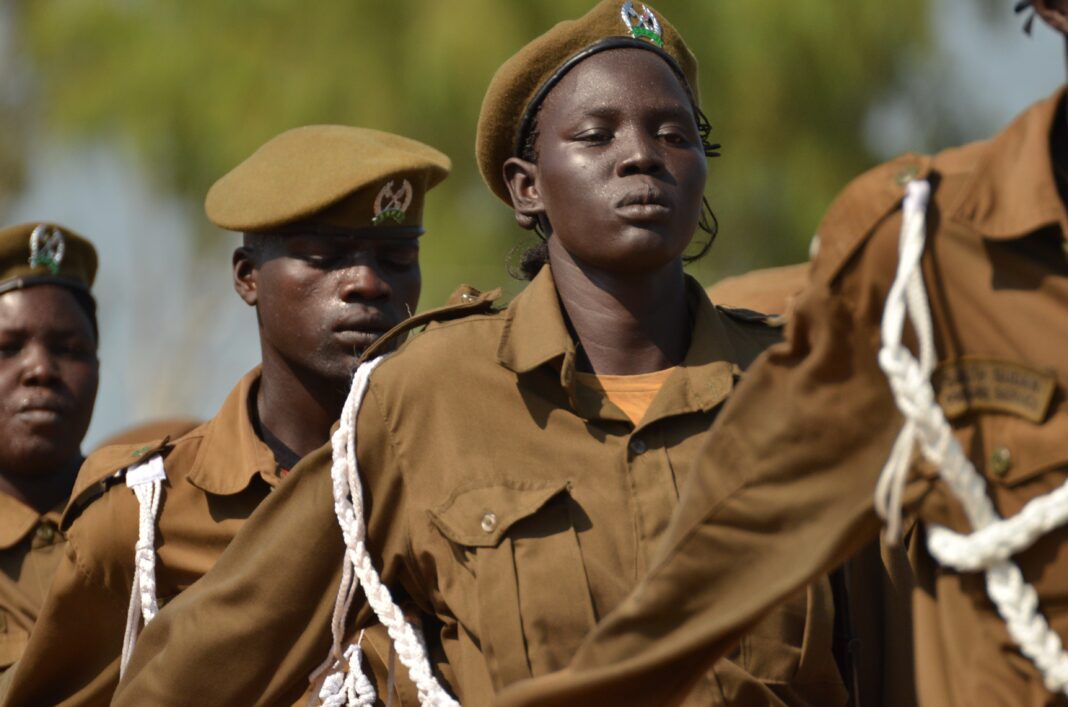

El-Obeid: the SAF security apparatus has been turned against civilians
By Willy Fautré, director of Human Rights Without Frontiers
Sudan’s El-Obeid, danger comes both from the skies and from those claiming to protect them. Rapid Support Forces (RSF) drone attacks threaten the city, while Sudanese Armed Forces (SAF) security actors stand accused of arbitrary arrests, torture and detention in appalling conditions. The UN-appointed investigators raising the alarm are right: civilian protection cannot mean condemning one armed force while overlooking abuses attributed to the other.
The findings, presented on 28 October by the Independent International Fact-Finding Mission for Sudan, demand scrutiny of SAF conduct. “Thousands have been arrested by SAF security cells, detained and tortured in unofficial locations and in El Obeid Central Prison, kept under appalling conditions,” mission expert Mona Rishmawi said. Her demand was unequivocal: “These practices must stop immediately.” These are investigators’ findings, not a court judgment, but their gravity makes dismissal indefensible.
The reported conditions inside El-Obeid Central Prison illustrate the scale of the concern. According to the mission, approximately 2,000 people are held in a facility designed for about 450. One former detainee described as many as 40 people confined in a cell measuring roughly 2.5 metres by two metres. Such testimony raises urgent questions about detainees’ treatment and the SAF’s willingness to protect people in their custody.
Overcrowding is only part of the picture. Investigators also reported detention in unofficial locations and intensified surveillance by SAF-affiliated security actors. Particularly troubling is the targeting of people engaged in humanitarian, human rights and peace work. These activities should not become grounds for suspicion simply because independent civilian organisation is inconvenient to military power. The reported pattern suggests that the threat extends beyond prison walls into the city’s civic life.
Arresting those involved in relief and peace efforts risks weakening the very networks civilians need to survive. It can also discourage people from reporting abuses or assisting their neighbours. Those consequences are reasons for urgent scrutiny, not evidence that every allegation has already been judicially established. The appropriate response is independent investigation and protection for those who testify—not blanket acceptance of security justifications.
None of this diminishes the danger posed by the RSF drone strikes. El-Obeid’s residents face overlapping threats, not competing narratives. The UN’s intervention is therefore justified precisely because it refuses a selective account of civilian suffering. Its investigators describe a population exposed both to bombardment and to coercion by security actors inside the city. Concern about arbitrary detention does not distract from the aerial assault; it completes the picture of what residents are enduring.
The immediate demands should be concrete: end arbitrary detention and torture, disclose where people are being held, permit independent scrutiny of detention conditions, and protect humanitarian workers and witnesses. Allegations involving SAF-affiliated actors require credible investigation rather than assurances that military necessity explains everything. Responsibility must be established through evidence and fair procedures.
The broader warning is equally important. Investigators describe a war becoming more geographically extensive, technologically sophisticated and dangerous for civilians. Their call to expand the UN arms embargo beyond Darfur addresses that wider escalation. But international diplomacy must not obscure the responsibilities of those exercising power locally.
The SAF is failing the most crucial test: whether people under its authority are safe from abuse. The UN is right to insist on accountability: protection loses its meaning when civilians must fear both the forces attacking their city and those controlling its prisons.