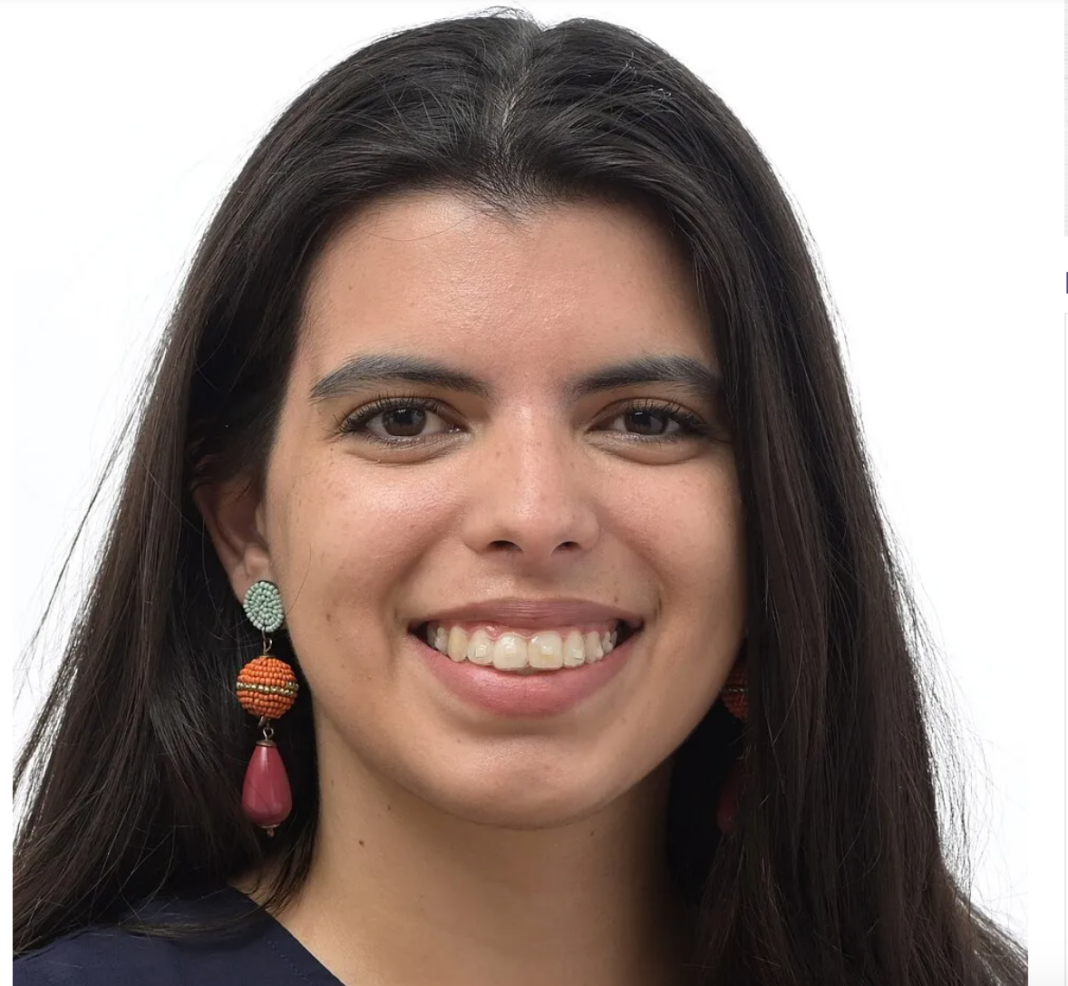

Interview with Catarina Vieira
Human Rights Begin in Everyday Life: MEP Catarina Vieira on Why Europe Must Match Its Values with Action
By Aleksandra Osina, Charahja van Broekhoven, Peace Ojoma Idoko, Taeyun Kim, Longrui Deng, Lauren van Laarhoven-Hargreaves, Ayat Gadri Sa’eed Alkhdour.
Human rights are often discussed as legal principles, international treaties or courtroom debates. Yet for Member of the European Parliament Catarina Vieira, they are far more than abstract concepts. They are the foundation of daily life and the measure of whether governments truly serve their people.
Born in Portugal in 1996 and elected to the European Parliament in June 2024 on the joint GroenLinks-PvdA list, Vieira serves on the Committee on International Trade and the Subcommittee on Human Rights. Her work connects global trade with human rights, focusing particularly on Latin America and Africa, where issues, such as labour exploitation, rural poverty and unfair supply chains remain pressing challenges.
For Vieira, human rights are universal entitlements that belong to every person simply because they are human. Access to food, education, healthcare, equality, freedom from discrimination and the right to life should never depend on where someone lives, their income or their background. Governments, she mentions, have the primary responsibility to protect these rights through fair legislation, inclusive public services and policies, that reduce inequality rather than deepen it.
She warns that unequal access to education and healthcare continues to disadvantage people living in rural communities, migrants and other vulnerable groups. A strong democracy, she believes, is one, that guarantees equal opportunities for everyone without exception.
Migration remains one of the most sensitive issues, facing Europe today. Vieira is critical of deportation policies, that return people to countries, where their safety cannot be guaranteed. For her, this is not only a legal question, but also a moral one. Europe cannot claim to defend human rights, while exposing vulnerable people to serious risks.
She also highlights the growing gap between the promises of international law and the realities people experience every day. Rather than lowering human rights standards, Vieira believes political leaders must show greater courage in applying them consistently across national and European policies.
Her message is clear. Human rights are not distant ideals, reserved for legal experts. They influence the food on our tables, the conditions under which products are made and the protection offered to those seeking safety. Ultimately, democracy is judged not by the promises it makes, but by how well it protects those who need it most.
About the authors:
This article is produced by Aleksandra Osina, Charahja van Broekhoven, Peace Ojoma Idoko, Taeyun Kim, Longrui Deng, Lauren van Laarhoven-Hargreaves, Ayat Gadri Sa’eed Alkhdour, participants in the Bright Future Foundation, as part of the European Union’s “Participate & Promote Democracy” Youth Participation project, in cooperation with Diplomat Magazine, Embassy of the Netherlands in Armenia and young members of the Armenian partner organization Promising Youth.