
The Cost of Living, Housing, and Student Opportunities – Interview with Laurens Dassen
What does it mean to have equal access to education when a student cannot afford a room, groceries or the cost of studying abroad?
For many young people in the Netherlands, the rising cost of living is turning these basic questions into real barriers. Housing, everyday expenses and student support increasingly influence not only how students live but also which educational opportunities they can access.
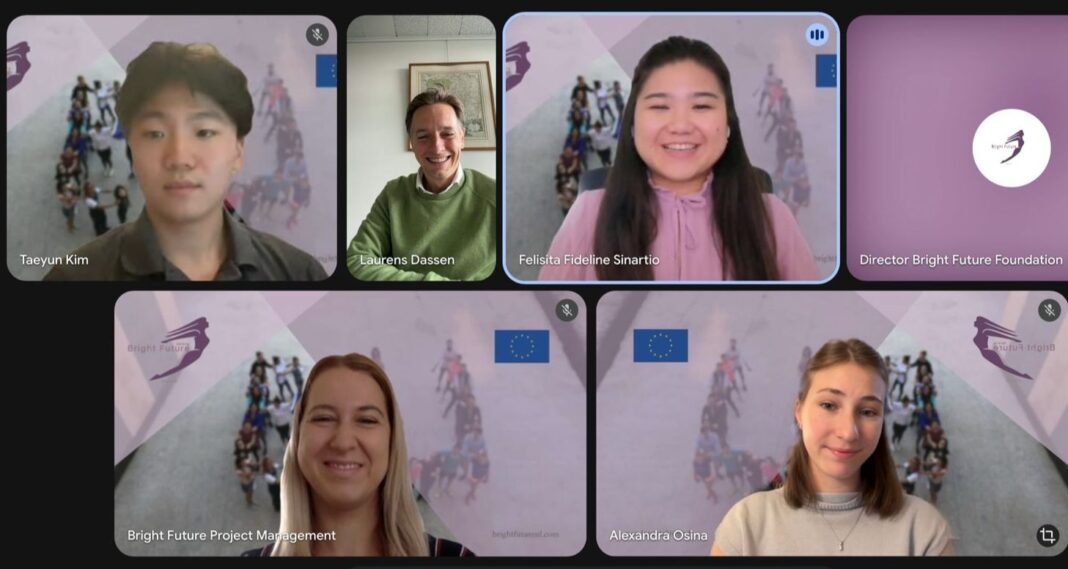
As part of Stichting Bright Future’s Participate and Promote Democracy project, young participants spoke with Laurens Dassen, leader of Volt Netherlands and Member of the Dutch Parliament, about student finances, the housing crisis, international students and European mobility.
Dassen argues that student support has not kept pace with rising costs. Compared with his own university years, accommodation and groceries have become significantly more expensive while several forms of student support have declined. For many students, rent alone can consume a large share of their available income.
But the issue goes beyond paying the bills. Dassen believes students need the freedom to develop outside the classroom – through extracurricular activities, networks and experiences that shape their future. Family wealth should not determine who gets to benefit from these opportunities.
Housing is therefore not simply a social issue. It is also an education issue. With a major shortage of affordable homes in the Netherlands, students face difficult choices about where and whether they can study. Dassen considers recent government action a step forward but believes the scale of the response must match the urgency of the crisis.
The Netherlands also faces the challenge of balancing its international student population with available housing and resources. Dassen emphasises the contribution international students make to Dutch education, research and the economy, while calling for greater responsibility from universities.

Dassen states that at the European level, Erasmus+ offers an important pathway to opportunity, allowing students to study abroad, gain new perspectives and build international networks. Yet rising living costs can make mobility difficult for those with fewer financial resources.
The principle behind all these challenges is the same: education should be an equaliser, not a privilege. The interview makes clear that change is both necessary and possible. Governments need to do more, universities need to take greater responsibility and Europe needs to work together to ensure that studying, growing and building a future are not privileges reserved for those, who can afford them.
At Bright Future Foundation, we believe every young person deserves a fair chance, regardless of background, income or where they come from. That is why conversations like this matter. Young voices belong in these discussions, and democracy works best when everyone has a seat at the table.
A fair future does not happen on its own. It is built together.
About the authors:
This article is produced by Aleksandra Osina, Lauren van Laarhoven-Hargreaves, Felisita Sinartio, Faneeze Jaswal, Mariia Lesnikova, Peace Ojoma Idoko, Taeyun Kim, participants in the Bright Future Foundation, as part of the European Union’s “Participate & Promote Democracy” Youth Participation project, in cooperation with Diplomat Magazine, Embassy of the Netherlands in Armenia and young members of the Armenian partner organization Promising Youth.