
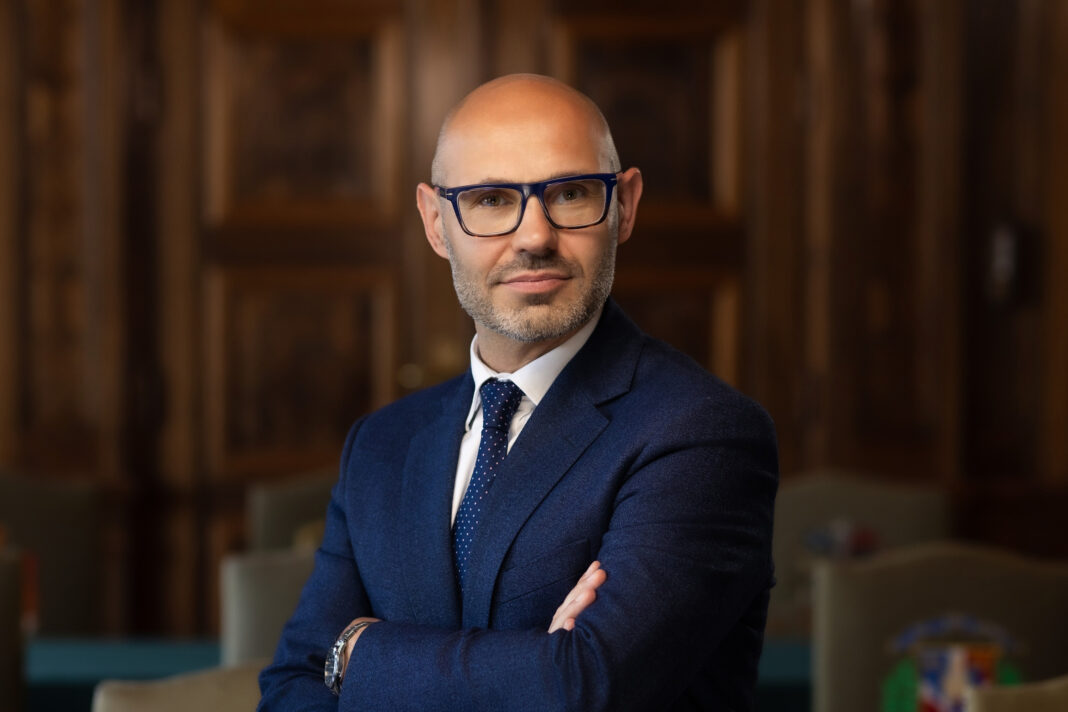

By H.E. Dr Marcin Czepelak, Secretary-General of the Permanent Court of Arbitration
The Hague’s identity as an international city of peace and justice began with an idea advanced at the First Hague Peace Conference of 1899: international disputes should be resolved through law and peaceful means rather than force. Convened in The Hague, the Conference led to the adoption of the Convention for the Pacific Settlement of International Disputes and the establishment of the Permanent Court of Arbitration (PCA). As such, the creation of the PCA was not simply an institutional development in international arbitration; it was a foundational moment in the emergence of The Hague as a centre for international peace and justice.
The PCA’s institutional framework was revised and expanded by the 1907 Convention for the Pacific Settlement of International Disputes, adopted at the Second Hague Peace Conference. By then, the history of the PCA was already closely tied to that of the city itself. The Court’s headquarters were established in The Hague soon after its creation, and its presence there from 1900 onwards formed an important part of the foundations upon which The Hague developed into a leading centre of international diplomacy and law.
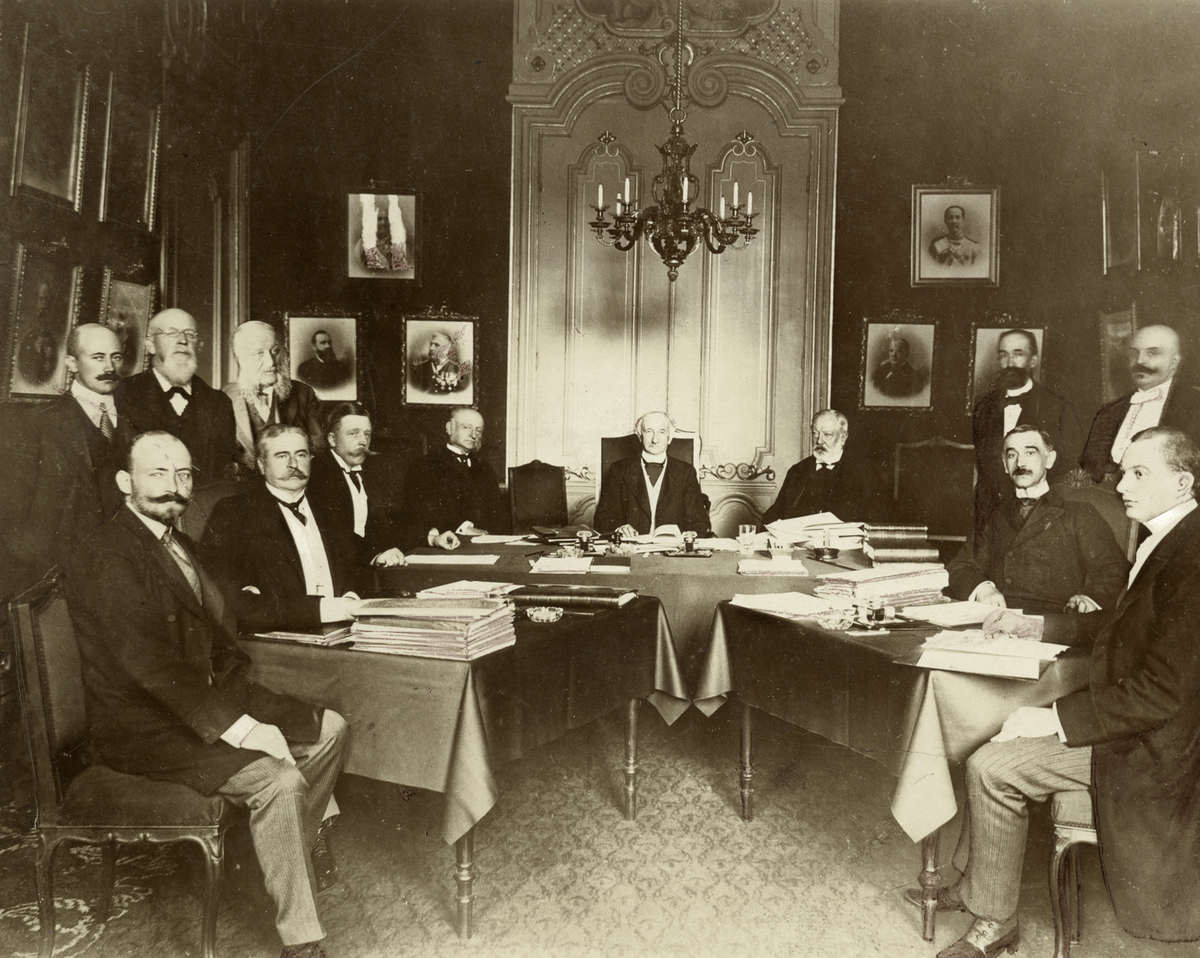
Between 1907 and 1913, the PCA’s Founding States further reinforced that connection by building a dedicated courthouse for the PCA in the heart of The Hague: the Peace Palace. The Palace provided a tangible expression of the principle that international disputes should be resolved peacefully and in accordance with international law. For more than a century, the PCA’s headquarters, now also the seat of the International Court of Justice (ICJ), have provided a setting in which States and other international actors come together to resolve disputes, uphold the rule of law, and advance international cooperation.
Yet the strength of an international institution is measured not only by the circumstances of its creation, but by its capacity to remain relevant as the international system changes. Over the last 127 years, the PCA has evolved considerably. What began primarily as a mechanism for inter-State arbitration developed into a broader institution capable of administering proceedings involving States, State entities, international organisations and private parties. The Court’s work encompasses a wide range of subjects, including territorial and maritime disputes, investment, trade and environmental disputes, and other areas of international law.
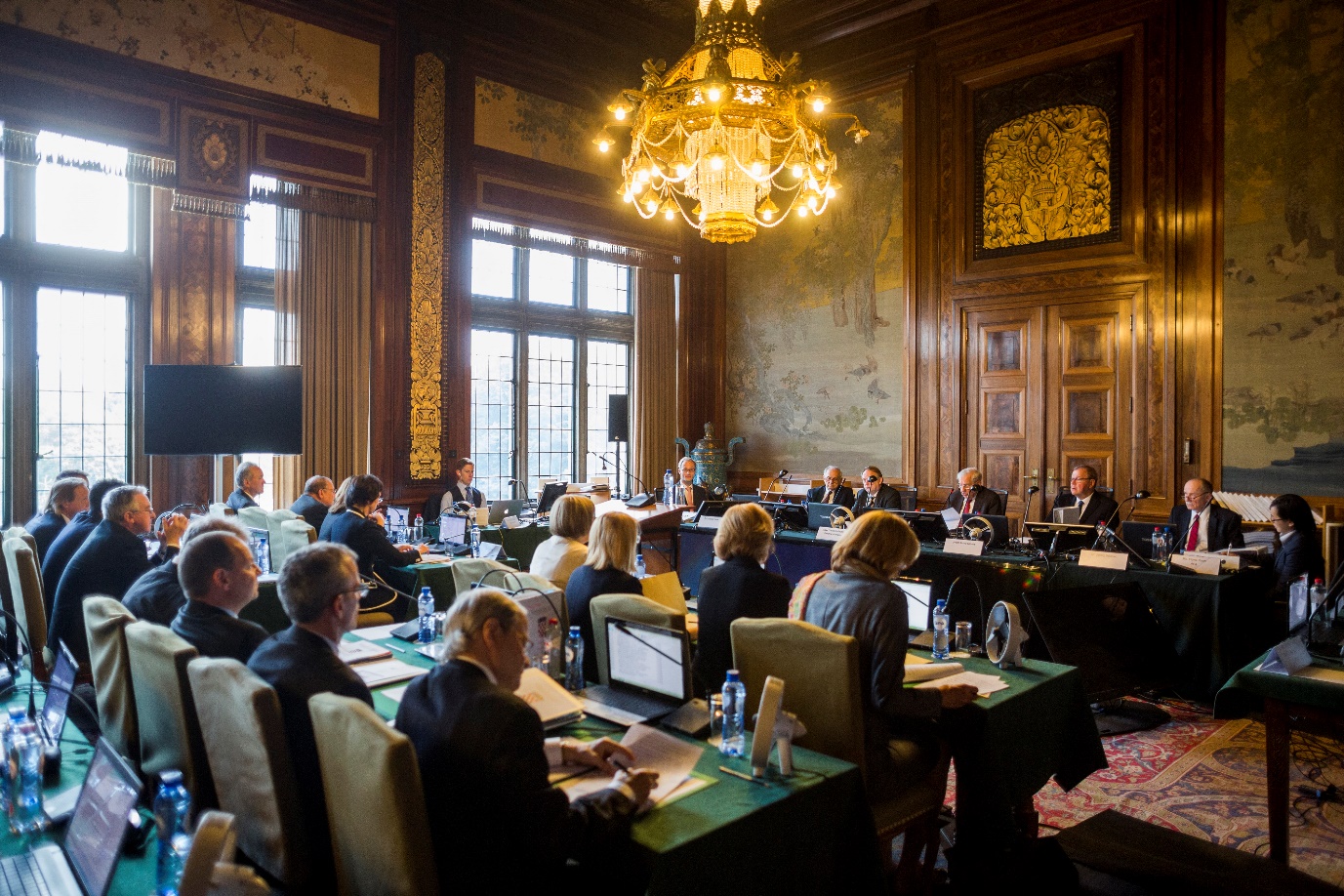
Photo credit: Permanent Court of Arbitration.
This process of adaptation continues today. The PCA Arbitration Rules 2012 consolidated earlier procedural frameworks into a unified set of rules applicable across a broad range of disputes. More recently, the PCA Administrative Council adopted additional Optional Protocols in 2024 concerning emergency interim measures, scrutiny of awards and expedited procedure, followed in 2026 by an Optional Protocol concerning preliminary dismissal of claims. These developments are best understood not simply as technical amendments, but as part of the PCA’s institutional evolution to provide contemporary parties with procedures suited to modern disputes.
The expansion of The Hague’s international community has mirrored the PCA’s development. What began with the First Peace Conference of 1899 has grown into a dense ecosystem of international courts, tribunals, organisations, diplomatic missions and institutions all working towards upholding the rule of law. The PCA was the first institution to give The Hague its international legal vocation, and its continued presence has helped maintain the link between the city’s origin as a place of diplomacy and its present role as a centre for international dispute settlement.
For the diplomatic community, perhaps the most enduring significance of the PCA lies in the combination of continuity and adaptability that has defined the institution. Since 1899, it has provided a steadfast framework for the peaceful settlement of international disputes while adapting its practices and procedures to meet the needs of a changing world. From the first international effort to establish permanent mechanisms for dispute settlement to today’s sophisticated and flexible arbitration procedures, the PCA has shown that permanence does not mean immobility.
The PCA continues to provide a forum where States and other international actors can address their differences through dialogue, negotiation, and where necessary, submit their disputes to peaceful resolution, carrying forward the principle at the heart of the Hague Peace Conferences: that international disputes can be resolved through law rather than force.
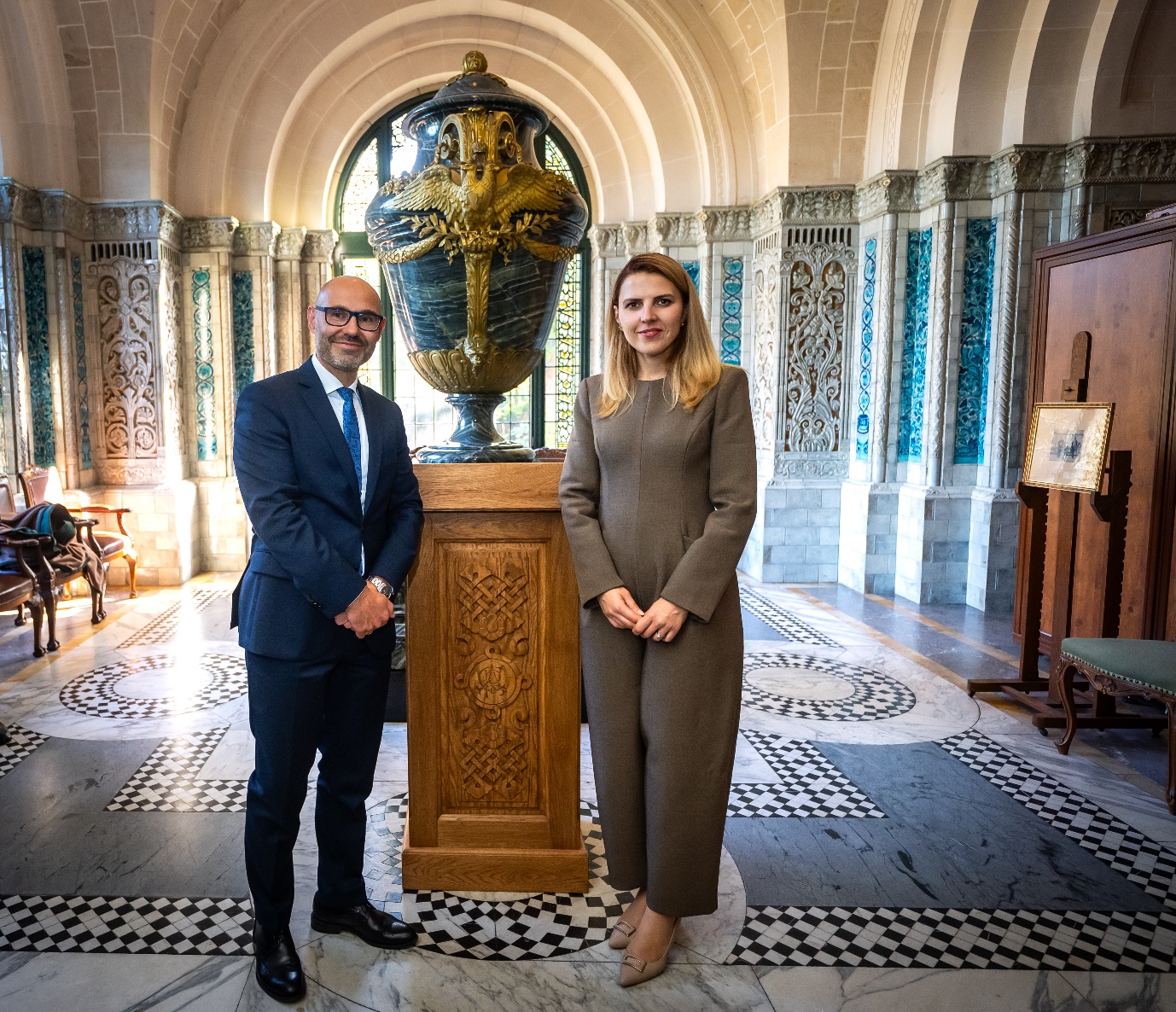
Photo credit: Permanent Court of Arbitration / Frank van Beek.