Arusha, The Hague, 18 October 2023 – The President of the International Residual Mechanism for Criminal Tribunals (Mechanism), Judge Graciela Gatti Santana, today presented the Mechanism’s eleventh annual report to the United Nations General Assembly in New York.
At the outset, President Gatti Santana was pleased to announce that the Mechanism has reached a critical juncture in its lifespan, with no more active trials or appeals in relation to the core crimes incorporated in its Statute. This follows decisive developments in the cases of Prosecutor v. Stanišić & Simatović and Prosecutor v. Félicien Kabuga, including a decision of the Appeals Chamber in the latter case that has “triggered the Mechanism’s truly residual mode.”
President Gatti Santana reported that the resulting shift in the Mechanism’s attention, from in-court proceedings to longer-term mandated functions, is coupled with a need “to think and do things differently”. She underscored that, while the Mechanism is not closing down and still has much to do, it must start to redefine the way it works. Against this backdrop, President Gatti Santana indicated that she had recalibrated her own key objectives, to better reflect the Mechanism’s new reality.
President Gatti Santana then proceeded to announce the three new priorities of her Presidency, as follows:
First, to present the Security Council with a framework of operations to complete functions during the Mechanism’s new residual phase. President Gatti Santana explained that this responds to Security Council resolution 2637 (2022) and is intrinsically connected with the Mechanism’s future-planning activities. As part of this priority, she will also be focusing on areas of activity where potential restructuring might help to avoid duplication of efforts and deliver greater efficiencies.
Second, to promote effective leadership and good governance in the performance of mandated functions and residual activities. Here, President Gatti Santana emphasised that those in senior and leadership positions within the Mechanism must be vigilant in managing with transparency, efficiency, and accountability. She spoke of the challenges of leading a downsizing institution and keeping productivity high when morale is low, and mentioned the key role of management in helping ensure that the Mechanism remains a functional and thriving organisation.
And third, to continue consolidating the legacy of the ad hoc tribunals and the Mechanism and working closely with all main stakeholders. In relation to this priority, President Gatti Santana highlighted the Mechanism’s support to national jurisdictions and the importance of ensuring that the public judicial records of the ICTY, the ICTR, and the Mechanism are as accessible as possible, including through the establishment of information centres in accordance with Security Council resolution 1966 (2010).
Having affirmed the Mechanism’s commitment to cooperating with its key stakeholders, President Gatti Santana observed that the Mechanism, in turn, relies heavily on the support provided by Member States and others. In this context, she identified a number of areas where there is a pressing need for further cooperation, namely: the situation of the relocated persons in the Republic of Niger, who remain under de facto house arrest; the failure of the Republic of Serbia to arrest and transfer the accused in the Jojić & Radeta contempt matter; and the enforcement of sentences, where the Mechanism urgently requires enhanced assistance from States.
In closing, President Gatti Santana recalled the importance of working together to deliver on the promise of justice, stating: “It now falls upon all of us to ensure that the Mechanism can carry on towards the final chapter of this historic mission and secure the precious legacies of all three institutions, for the benefit of generations to come”.
President Gatti Santana is in New York to report on the Mechanism’s activities in accordance with Article 32(1) of the Statute of the Mechanism.
Yet another authentic Indonesian flavour Festival at Leo’s Restaurant in The Hague. Indonesian Fine Dining Festival, taking Rawon and Rujak petis and other dishes to the next level. The food festival on 13 – 14 October 2023 was organized by the H.E. Ambassador Mayerfas and his team, in collaboration with Diplomat Magazine and Leonardo Royal Hotel The Hague. The atmosphere was sublime.
Paintings and photo exhibitions from Gallery Lukisan (Bergen Op-Zoom) at Leonardo Royal Hotel.
H.E. Ambassador Mr Mayerfas delivered the following cordial welcome remarks.
“People often ask me these two questions? Why is Indonesian food so delicious? Well, it is because it is made of fresh spices and herbs. And then what is the most delicious Indonesian dish? I will say Nasi Padang. But maybe another 200 million people in Indonesia doesn’t agree with me. People may say Rawon, Babi Panggang, Konro, or Papeda.
In fact, Indonesian cuisine is as diverse as the people, the ethnicities, and the culture, stretching along the archipelago from Aceh to Papua. Imagine if you want to taste each and every one of them, it will need more than a lifetime journey to do that. This evening, Chef Agus and Chef Sido will take you to a culinary journey through their unique creation, presentation, and interpretation of Indonesian cuisine.
Indonesian culture.
But before that, allow me to thank Mr. Thomas Kortleve, the General Manager of Leonardo Royal Hotel the Hague, for your warm welcome, also for the good cooperation from you and the hotel staff, to make the event this evening happened. I also wish to thank Indonesia Diaspora Network the Netherlands and Diplomat Magazine for their support in organizing this event.
My appreciation also goes to Gallery Lukisan, Javara, Kutus Kutus, Stichting Aniadi Arts, and Stichting Peduli Seni Indonesia for participating in the exhibition and giving wonderful entertainment.
Chef Agus Hermawan and Chef Sido de Brabander; Mr. Thomas Kortleve, the General Manager of Leonardo Royal Hotel The Hague at the micro.
Last but not least, special thanks and appreciation for Chef Agus Hermawan and Chef Sido de Brabander, who have been working hard and professionally in preparing a unique and exceptional dinner for us this evening. So, on this special occasion, I would like to present a token of appreciation for the Chefs.“
Ambassador presented the certificates to the Chefs and Madam Virna, spouse of the Ambassador presented the flower bouquets to the Chefs.
Indonesian Flavors
The Embassy of Indonesia issued the following “Indonesian Fine Dining Event – Taking Rawon and Rujak Petis to the Next Level It was a full house. For two days in a row, the dining hall of Leonardo Royal Hotel The Hague Promenade was fully booked. Guests sat in anticipation while wondering how homemade food like Pecel, Pindang, and Rujak would be presented on fine dining plates.
Chef Agus Hermawan (Indonesian guest chef) and Chef Sido de Brabander (host chef at Leonardo Hotel) did their magic and showcased an 8-course dinner, which gave a new and exquisite look but kept the original taste of the food and left the diners in awe.
Sinom, or a traditional drink made from turmeric, tamarind, and palm sugar, is served on ice as a welcome drink. On the dining table, a sequence of the menu was served beautifully: Horn of Tomato; Vegetable Salad Ball; Tempeh Salad; Sea Bass in Balinese broth; Assorted Satay (chicken, goat, and venison); Rawon (slow-braised beef in dark soup); and Rujak Petis (fruit salad).
Madam Virna, spouse of the Ambassador presented the flower bouquets to the Chefs.
More than 200 guests attended the Indonesian Fine Dining Event on Friday and Saturday, 13-14 October 2023 at Leonardo Royal Hotel the Hague. The event was inaugurated by Ambassador Mayerfas together with the General Manager of the hotel, Mr. Thomas Kortleve, and the Chairwoman of Indonesian Diaspora Network the Netherlands (IDN-NL), Mrs. Lany Pradjarahardja.
The guests also enjoyed the side events, organized at the atrium of the hotel. There were paintings and photo exhibitions from Gallery Lukisan (Bergen Op-Zoom), and Indonesian spices products fairs from Javara and Kutus Kutus. A special entertainment of Indonesian culture was also showcased through various traditional dances, such as Sekar Jagat (Bali); Jaipong (West Java); Sekar Pudyastuti (Yogyakarta) and Piring dance (West Sumatera)”
Indonesia, a wonderland for food lovers and foodies!
On October 12, 2023, the President of the Kosovo Specialist Chambers (KSC), Judge Ekaterina Trendafilova, announced her intention to review the sentence of Mr. Nasim Haradinaj, with the possibility of his release under specific conditions. This decision followed the receipt of a report from Registrar Fidelma Donlon regarding Mr. Haradinaj’s conduct during his detention at the KSC Detention Facilities.
In reaching this decision, the President consulted with the Judges of the sentencing Panels, as outlined in Article 51(2) of the Law on Specialist Chambers and Specialist Prosecutor’s Office. She also took into account the considerations detailed in Rule 196(3) of the Rules of Procedure and Evidence. Additionally, an oral hearing was conducted with Mr. Haradinaj.
The President recognized the severity of the offenses for which Mr. Haradinaj was convicted, particularly the grave impact of the disclosure of confidential information on (potential) witnesses. Nevertheless, she acknowledged several factors that might support the modification of his sentence. Notably, the President considered Mr. Haradinaj’s expressions of remorse expressed during the oral hearing and his commitment to avoid engaging in any actions that could be construed as offenses against the administration of justice in the future.
However, the President also took into account Mr. Haradinaj’s disciplinary record at the Detention Management Unit (DMU). While acknowledging some progress towards rehabilitation, she believed there was room for improvement. As a result, the President directed the Registrar to submit a report on Mr. Haradinaj’s future behavior at the DMU within a specific timeframe as part of the assessment regarding the potential modification of his sentence.
Representatives of some press outlets in the Netherlands had a briefing with the Ambassador of the Republic of Azerbaijan in the Netherlands,H.E. Mr. Rahman Mustafayev, at the chancellery on 9 October 2023 concerning projects for the reintegration of Karabakh Armenians.
Further on the program: the current situation in and around the Karabakh region of the Republic of Azerbaijan, the anti-terror measures undertaken by Azerbaijan in this region on September 19-20 and consequences, subsequent humanitarian support and reintegration efforts concerning the Armenian residents of the Karabakh region, the position of Azerbaijan on “ethnic cleansing” claims, the role of the international community in support of the Armenia-Azerbaijan peace process, the relations between Azerbaijan and the Netherlands in the context of current issues in the South Caucasus.
The key takeaway points of the press meeting with Ambassador H.E. Mr. Rahman Mustafayev are as follows: Azerbaijan had to intervene in Nagorno–Karabakh due to the illegal presence of the Armenian military on Azerbaijan territory. The enormous quantity of military equipment and ammunition found proves this. It is a violation of the UN. Security Council resolution and the agreement between Azerbaijan, Armenia, and Russia signed after the second war. Azerbaijan’s attack is, therefore, a counter-terrorism action.
Regarding ethnic cleansing, Azerbaijan facilitated free passage for the Karabakh Armenians exodos, providing food, fuel, and shelter access to the Red Cross. For those who would like to return, Azerbaijan has put in place a digital portal to enable people to apply to obtain Azerbaijan citizenship without relinquishing their Armenian passport.
Additionally, on 11 October 2023, the Dutch Minister for Foreign Affairs Hanke Bruin Slot responded to questions from members of the Foreign Affairs Committee (No.2733) that there is no ground for any allegation of ethnic cleansing.
According to the Ambassador, the Caucus region is ready for economic development. Azerbaijan proposes building a railway corridor to realize economic prosperity for Azerbaijan, Georgia and Armenia.
Concerning the allegations that Azerbaijan is an authoritarian state with a bad human rights record, the Ambassador referred to the fact that there is opposition, free press, and (media) tolerance in the country.
There will be talks in Brussels and Russia, however, none in The Hague. Ambassador Mustafayev still sees a role for The Hague, the city of peace and justice in this conflict. The soft power of The Hague makes her an excellent mediator.
Furthermore, Ambassador Mustafayev considers it lamentable that the Netherlands is reluctant to assist with demining the territory. Ambassador qualifies the attitude of the Dutch media as biased.
A meeting has been scheduled with the Prime Minister of Armenia, Mr Nikol Pashinyan, and the President of Azerbaijan, Mr Ilham Heydar Oghlu Aliyev, in Brussels at the end of October 2023. This meeting is to be facilitated by the President of the European Council, Mr Charles Michel, who is known to be an impartial mediator. Hopefully, the talks will result in a satisfactory solution for all parties involved, leading to durable peace.
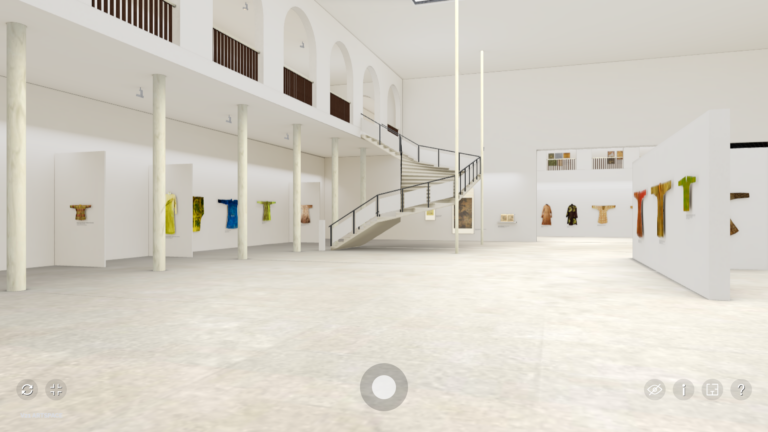
This year marks the twenty-fifth anniversary of the adoption of the Rome Statute, the international treaty that established the International Criminal Court (ICC). To mark the occasion, the ICC unveiled an exhibition entitled “Common Bonds”, first at the Atrium and then at the Grote Kerk event space in The Hague. An outdoor version of the exhibition will be on display along the Lange Voorhout from 24 October to 6 November 2023. The exhibition is free and open to the public
On 17 July 1998, 120 states adopted the Rome Statute, a treaty creating the first permanent international criminal court to investigate and try individuals accused of genocide, war crimes and crimes against humanity, and now also the crime of aggression.
Today, a total of 123 states have ratified the treaty, which represents two-thirds of the states in the international community. In an effort to create a more just world and fight impunity, the Court has worked tirelessly to investigate and prosecute some of the world’s gravest crimes.
Since the signing of the Rome Statute in 1998, the Court has been and remains committed to act against atrocious crimes on a global scale. To commemorate and reflect on the impact of the Rome Statute’s first twenty-five years, the ICC launched this exhibition, which offers a glimpse into the stories of survivors, the conflicts under ICC investigations, and the work of the Court.
“Hunger and despair”
Photo: UN Photo / UN / Alexis Duclos
The exhibition reflects on how we are “united by common bonds”, a quote from the very first sentence of the Rome Statute’s Preamble. As explained by H.E. Silvia Fernández de Gurmendi, President of the Assembly of States Parties (ASP): “In our fragmented world, it is indeed appropriate to emphasize the bonds that unite us. These are the ties that prompted us to work together for the creation of the first permanent criminal court and allowed us to succeed, against all odds, in that historic evening of 17 July 1998. Unfortunately, as the Preamble of the Statute also recognizes, our shared heritage is a delicate mosaic that may be shattered at any time. And indeed it has been shattered again and again since the creation of the Court. The atrocities of the XXth Century that led to the creation of the Court have not ceased.”
The ASP President continued: “The exhibit pays tribute to victims and survivors of these atrocities, focusing on those within the 17 situations under investigation or prosecution by the Court. For them, who have seen horror, there is hope of justice and reparations.”
This exhibition is hosted by the Assembly of States Parties and was produced by the ICC in collaboration with the Trust Fund for Victims (TFV). The photos and accompanying captions are for the purpose of the exhibition only. They do not represent, and are without prejudice to, the legal findings in specific cases and situations before the Court. The ICC is grateful for the generous support of the Ministry of Foreign Affairs, the Municipality of The Hague, and the European Union in producing this exhibition.
As a complementary court of last resort, the ICC has opened investigations into 17 situations over the past two decades, across four continents – Africa, Asia, the Americas, and Europe – bringing 31 cases to the Court, issuing 40 arrest warrants, 10 convictions and 4 acquittals. From the situation in Ukraine, to the so-called “war on drugs” in the Philippines, and to acts of violence that have displaced and harmed millions of people in Afghanistan, Darfur (Sudan), Venezuela and other countries, the “Common Bonds” exhibition highlights all 17 situations in which the Court has opened investigations.
“They burnt my home”
Photo: Pete Muller
Working closely with photographers from around the world, the Court carefully curated the exhibition to reflect the voices of victims and survivors of atrocities and crimes that the Court is working to address. Many of the stories included in the exhibition were collected directly by the ICC while working in countries and interviewing people affected by the respective crimes. Some other stories were generously shared with the Court by partners or other international organizations. The photographs from the Democratic Republic of Congo were created in collaboration with the TFV and include some of the first ICC reparation stories to be made public in the Court’s history. The ICC’s system gives victims and survivors of crimes the opportunity to participate in the proceedings, thereby helping to bring those accused to justice.
“This exhibition seeks to tell stories that cannot be told by numbers or by data. Instead, these stories will be told through the medium of art and will, hopefully, leave us with a fresh perspective of the Court’s work and renewed commitment to its mandate,” said Judge Piotr Hofmański, ICC President, at the launch of the exhibition.
Each story focuses on a single person or family, a single experience of a conflict. A man forced to flee his country of Libya, an elderly Georgian woman whose house was burned to the ground, a man who was shot in the face in the Central African Republic – these are individual accounts, but there are thousands more stories of survival behind each of them.
“The bullet hit”
Photo: Rena Effendi
The stories involve violence, suffering and loss, but also many other common threads: love, friendship, family, home, community, and hope. They are stories of humanity’s most serious crimes, but they also represent courageous individuals and a relentless pursuit of justice.
In the words of the ASP President: “Twenty-five years after the creation of the Court, our turbulent world needs more justice than ever. It is the time to demonstrate that the bonds that united us in 1998 continue to hold us together twenty five years down the road.”
Specialist Prosecutor Kimberly West signed a solemn declaration today, affirming her commitment to exercising her duties with independence, impartiality, and diligence. This pledge aligns with the stipulations outlined in Article 36 of the Law on Specialist Chambers and Specialist Prosecutor’s Office.
Ms. West assumed the role of Specialist Prosecutor in June 2023, following a selection process organized by the European Union. She brings a wealth of experience to the position, having served as a US prosecutor with a background in both domestic and international criminal investigations.
Ms. West is the third individual to hold the position of Specialist Prosecutor, succeeding Jack Smith, who served from 2018 to 2022, and David Schwendiman, who held the position from 2016 to 2018.
The sudden assault of Hamas of Israel has resulted in numerous debates on the actual culprit behind it – some argued that it was the United States, as usual, while others point their fingers at Iran.
However, the core issue likely stems from the Hamas regime itself. Despite not being recognized as a sovereign nation, this entity operates autonomously, mirroring the functions of a nation-state, complete with financial resources, diplomatic efforts, business interests, alliances, relationships, and a standing army. It stands as an autonomous quasi-state organization, essentially functioning as a private military company (PMC) group with both military capabilities and territorial control, bearing resemblance to entities like the Wagner Group. Notably, Hamas has displayed a remarkable degree of operational efficiency, surpassing even the Wagner Group in certain aspects.
There is a possibility that Hamas, acting as a PMC, started this conflict primarily due to financial difficulties. They were compelled by the pressing need for funds, feeling a significant constraint on their economic resources and growing uncertainties, which ultimately led to the current crisis.
The persistent financial challenges inherited from the Palestinian Authority (PA) have long been a prominent issue in the Middle East. Prior to Hamas assuming full control of Gaza, it boasted a workforce of around 58,000 civil servants engaged in various public institutions. Following the schism between Hamas and Fatah, the PA, primarily led by Fatah disengaged from Gaza. They requested Gaza’s civil servants to halt their work but continued disbursing their salaries. To ensure the regular functioning of Gaza’s government, Hamas appointed its own civil servants, totaling approximately 50,000 employees, and established an administrative system that ran in parallel with the West Bank.
In April 2017, the PA slashed its employees’ salaries in the Gaza Strip by 30-50%. In July of the same year, it decided to allow 6,145 civil servants in the Gaza Strip to retire early, which was seen as pressure on Hamas. However, it stated that the PA would consider withdrawing this decision if Hamas relinquished control of the Gaza Strip and accepted the conditions of Mahmoud Abbas’s government.
Hamas, of course, would not readily accept any suggestions or pressure to change its status. Hamas is a PMC and it chooses to fight. In fact, in the past, Hamas had many businesses and various sources of income and funding.
Since its emergence during the First Intifada in 1987, Hamas has been the beneficiary of significant economic assistance, notably from Gulf nations like Saudi Arabia, among others. During that period, the worsening political, economic, and social crises in Palestine provided Hamas with an opening to invest in the establishment of an extensive social services network, encompassing the construction of mosques and prayer halls. Hamas maintains a shroud of secrecy over its economic operations, but some income sources have come to light.
Firstly, there are individual contributions from Palestinians, Arab nations, and the international community. Hamas has received hundreds of millions through donation campaigns initiated by religious figures, such as the fundraising efforts of organizations like “Itilaf al-Khayr” (Union of Good) led by the prominent Qatar-based figure Yusuf al-Qaradawi. Islamic charitable institutions within Israel and charitable organizations affiliated with Hamas in Gaza maintain close connections, with a significant portion of their donations aimed at assisting the Palestinian people ultimately finding their way into Hamas’s coffers.
Another method is through money laundering. Hamas utilizes intermediaries or Palestinian importers to launder certain funds. These importers employ Hamas’s ‘black money’ to cover payments when procuring goods from abroad.
In addition, Hamas has established several financial and commercial entities. Israel recently took action against numerous currency exchange firms and food establishments in Gaza, alleging connections to Hamas. It is reported that due to investments from Hamas, many of these commercial entities have become profitable, consequently yielding a proportion of profits to Hamas.
The global landscape of power has adopted a hierarchical structure with varying capabilities. At one level, we find PMCs capable of engaging in commercial warfare, while another level comprises Western alliances and coalitions. Superpowers occupy their tier, and the rest fall into the category of ordinary nations. The capabilities and influence of these entities differ significantly, and unless one belongs to the ranks of superpowers, they may find it challenging to contend with PMCs. Hamas, operating as a PMC, maintains a similar presence in the Middle East, and even a formidable nation like Israel has faced difficulties in dealing with it.
This is a commercialized war, and the world has indeed changed.
About the author:
Chan Kung
Founder of ANBOUND Think Tank, Kung Chan is one of China’s renowned experts in information analysis. Most of his academic research activities are in economic information analysis, particularly in the area of public policy.
The Office will continue its work in the CAR situation within the existing cases before the Court seeking justice for the victims of the crimes committed in that situation.
On Thursday, October 12, 2023, the Bezuidenhout Synagogue in The Hague became the epicenter of a profound display of unity and resilience as hundreds of individuals, including members of the Jewish community and the diplomatic corps, came together in a solemn gathering to offer prayers and support following the brutal terrorist attacks on Israel. This event not only showcased the unwavering solidarity of the Jewish community but also emphasized the importance of unity in times of adversity.
The backdrop for this united prayer gathering was the tragic attack on Israel that took place on October 7, 2023. The Israeli victims and their families were not alone in their suffering, as official statements from numerous countries and international organizations expressed their profound condolences and condemned the violence perpetrated by Hamas.
The Bezuidenhout Synagogue, a place of worship, reflection, and community for The Hague’s Jewish population, opened its doors to a diverse crowd. The attendees included members of the Jewish community who were deeply affected by the events in Israel, as well as representatives from the diplomatic corps in The Hague.
The Mayor of The Hague, Jan van Zanen.
Mayor Jan van Zanen graced the event with his presence and delivered a poignant speech on the significance of unity and strength during trying times.
The diplomatic corps was well-represented at the gathering, with Ambassadors and diplomats from various nations in attendance. Notable figures included: Ambassador of Israel, H.E. Modi Ephraim and the Cultural Attache Embassy of Israel, Ms. Fentay Alamu. The Ambassador of the United Kingdom, H.E. Joanna Roper, the Ambassador of Bulgaria, H.E. Konstantin Stefanov Dimitrov, the Ambassador of Australia, H.E. Dr. Gregory Alan French, the Ambassador of Greece, H.E. Caterina Ghini, the Ambassador-designate of Canada, Hugh Adsett, Deputy ambassador of France Mr. Daniel Westerink, Legal Counselor Embassy of the United States of America, Ms. Emily Kimbal, Counsellor Embassy of Argentina, Mr. Nicolas Rantica and the Head of Press & Cultural Embassy of Germany, Mr. Sebastian Kleve.
Bezuidenhout Synagogue, The Hague.
The program included a series of heartfelt speeches, with Rabbi Shmuel Katzman and Ambassador of Israel H.E. Modi Ephraim addressing the audience. Prayers and psalms, were led by Rabbi Simcha Steinberg from Eindhoven.
A particularly poignant moment came when children from the Jewish community joined together to sing songs of love and hope.
The gathering concluded with the entire assembly joining their voices in singing the national anthem of Israel, “Hatikvah,” which translates to “Hope.” This anthem carries a profound message of resilience and optimism, reminding all present that in the darkest of times, hope and unity can light the way forward.
The United Prayer Gathering at Bezuidenhout Synagogue in The Hague was a testament to the strength of human spirit and the power of faith and unity. As the Jewish community and their allies came together to support one another, they sent a powerful message of hope and solidarity.
Desde el ataque sufrido por Israel el pasado 7 de octubre del 2023, han sido muy diversos los comunicados oficiales provenientes de diversos Estados y organizaciones internacionales, expresando su profunda solidaridad con las víctimas israelíes y condenando la violencia perpetrada por el Hamás.
A modo de ejemplo, se pueden citar – entre muchos otros – los comunicados oficiales emitidos por Estados tales como Argentina: al respecto, se trata de un texto bastante breve si lo comparamos al contenido de los comunicados de Bolivia, o bien de Brasil, de Colombia y de Chile en lo que respecta a América Latina. Así también, podemos referir a los textos elaborados por parte de Alemania, de Japón, de Malasia, de Marruecos, de Oman, de Qatar, o de Suecia o bien los circulados por parte de Suiza , Tailandia y de Turquía ; también merece mención la posición externada esta vez por una organización internacional, la Unión Europea (UE).
Notemos que el comunicado bastante extenso elaborado por el aparato diplomático de Sudáfrica inicia de la siguiente manera:
“South Africa expresses its grave concern over the recent devastating escalation in the Israeli-Palestinian conflict. The new conflagration has arisen from the continued illegal occupation of Palestine land, continued settlement expansion, desecration of the Al Aqsa Mosque and Christian holy sites, and ongoing oppression of the Palestinian people. The region is in desperate need of a credible peace process that delivers on the calls of a plethora of previous UN resolutions for a two-state solution and a just and comprehensive peace between Israel and Palestine”.
Foto extraída de nota de la BBC titulada “Ataque en Israel ¿Porqué el ejército de Israel tardó tanto en reaccionar al ataque de Hamás desde Gaza?” (edición del 10/10/2023)
Estos y muchos otros comunicados expresan cada uno a su manera, la solidaridad con las víctimas israelíes de lo acontecido el 7 de octubre en Israel, según el vocabulario y los términos y calificativos que quieran usar las autoridades del Estado del que proviene: sea de forma extensa, sea de forma escueta, sea con la idea de expresarse brevemente sobre una situación o un contexto, o bien con la de limitarse de forma concisa a este hecho como tal.
La respuesta israelí ante el derecho internacional humanitario
No obstante, a raíz del anuncio hecho por Israel de ejercer un bloqueo total sobre la Franja de Gaza, poblada con más de 2,2 millones de habitantes, y sometida a intensos bombardeos aéreos israelíes desde la tarde / noche del 7 de octubre del 2023, algunas pocas voces se han elevado. Mientras que otras como en Canadá, se han prestado a ejercicios semánticos incómodos (véase nota de LaPresse / Canada y esta otra de Radio Canada).
En particular, es de señalar la posición sumamente clara del Alto Comisionado para los Derechos Humanos de Naciones Unidas que ha informado en un comunicado de prensa que fue dado a conocer el pasado 10 de octubre (véase texto completo) que:
“On 9 October, the Israeli authorities ordered a “full siege” of Gaza, shutting off electricity, water, food and fuel supplies. This risks seriously compounding the already dire human rights and humanitarian situation in Gaza, including the capacity of medical facilities to operate, especially in light of increasing numbers of injured.“The imposition of sieges that endanger the lives of civilians by depriving them of goods essential for their survival is prohibited under international humanitarian law,” the High Commissioner said. Any restrictions on the movement of people and goods to implement a siege must be justified by military necessity or may otherwise amount to collective punishment.“
Nótese que en menos de 24 horas, Israel bombardeó con sus aviones tres veces el único punto que permite una salida de Gaza para una población civil palestina huyendo bombardeos aéreos, el puesto fronterizo de Rafah con Egipto (véase nota de prensa que recoge un cable AFP).
También cabe indicar que tres periodistas fueron víctimas de bombardeos israelíes en Gaza en tan solo 48 horas (véase nota del medio de la India, Siasat Daily y esta otra nota de 20.minutes /Francia). Una nota más reciente de una agencia turca de noticias refiere esta vez a 8 periodistas, de los cuales de dos no se tiene noticia (véase nota). En este comunicado, se habla ya no de 8 sino de 10 periodistas que perdieron la vida. También se ha registrado un indicente en Tel Aviv con un equipo de periodistas de la BBC (véase nota del 13/10/2023 de la misma BBC). Con relación a la prensa, hay que tener claro que, en un reciente informe presentado en junio del 2023 (véase enlace a informe A/HRC/53/22 con fecha del 9 de mayo del 2023) por parte de de una comisión de investigación sobre lo que ocurre en Palestina – creada por el Consejo de Derechos Humanos de Naciones Unidas en el 2021- , se lee que:
“72. Los periodistas palestinos están especialmente en el punto de mira y con frecuencia son objeto de acoso, agresiones, detenciones, encarcelamientos y acusaciones de incitación a la violencia, al parecer como parte de un empeño por disuadirles de continuar con su trabajo. Todo ello hace que los periodistas palestinos tengan cada vez más miedo y se autocensuren. Los periodistas israelíes también están cada vez más vigilados y sujetos a ataques, y se autocensuran por temor al acoso y a perder el empleo. La Comisión recuerda a todos los garantes de derechos su obligación de respetar, proteger y hacer efectivos los derechos de los periodistas a la seguridad y la libertad “.
Por su parte, se lee que para los funcionarios otra agencia de Naciones Unidas, la Organización Mundial de la Salud (OMS), los bombardeos israelíes están afectando dramáticamente la ya débil infraestructura de salud existente en Gaza, al leerse en este artículo de The Guardian que:
“The World Health Organization said there had been 11 attacks on healthcare sites – which included medical facilities, ambulances and care providers – in the first 36 hours of the new conflict in Gaza.“There is an urgent need to establish a humanitarian corridor for unimpeded, life-saving patient referrals and movement of humanitarian personnel and essential health supplies,” the WHO said.“
El 12 de octubre la reconocida ONG Human Rights Watch denunció el uso de fósforo blanco por parte de Israel tanto en Gaza como en recientes acciones militares en el Líbano (véase informe), en el que se puede leer que:
“The use of white phosphorus in Gaza, one of the most densely populated areas in the world, magnifies the risk to civilians and violates the international humanitarian law prohibition on putting civilians at unnecessary risk“.
Como se puede apreciar, la reacción militar israelí pareciera no limitarse únicamente al objetivo según el cual se busca destruir la infraestructura, el material y los centros de mando del Hamás ubicados en Gaza y lograr la eliminación física de sus principales dirigentes.
Saldos provisionales escalofriantes en pleno aumento
Debe tenerse claro que muchos de los heridos palestinos graves en Gaza que están siendo trasladados a hospitales sin flujo energético, ni agua, ni medicamentos, están condenados a una muerte segura, tal y como lo advirtió el Comité Internacional de la Cruz Roja (CICR) el 12 de octubre (véase comunicado).
En este muy completo artículo de The Guardian del 13 de octubre, se indica, con respecto a una orden de evacuación dada por Israel a 1,1 millones de habitantes de Gaza, que:
“Clive Baldwin, a senior legal adviser at Human Rights Watch, said Israel’s warning was simply not effective and called on world leaders to speak up. “The roads are rubble, fuel is scarce, and the main hospital is in the evacuation zone,” he said. “
El estado de situaciónal 14 de octubre del 2023 elaborado por la Oficina de Coordinación para Asuntos Humanitarios de Naciones Unidas (OCHA, véase enlace oficial) indica el saldo siguiente desde que inició el conteo de personas fallecidas y heridas el 7 de octubre:
del lado palestino, se registran en Gaza, 2228 personas fallecidas 8744 personas heridas, a las que hay que añadir – en Cisjordania – 54 fallecidos y 1151 heridos; mientras que
del lado israelí, se contabilizan 1300 personas fallecidas y 3621 heridas.
El mismo estado de situación al 12 de octubre del 2023 indicaba el siguiente saldo:
del lado palestino, se registraban en Gaza, 1417 personas fallecidas y 6268 personas heridas, a las que había que añadir – en Cisjordania – 33 fallecidos y 500 heridos; mientras que
del lado israelí, se contabilizan 1300 personas fallecidas y 3391 heridas.
Por su parte, el mismo estado de situación al 11 de octubre del 2023 indicaba el saldo siguiente:
del lado palestino, se registraban en Gaza, 1100 personas fallecidas y 5339 personas heridas, mientras que
del lado israelí, se contabilizaban a 1200 personas fallecidas y 3192 heridas.
Resulta muy llamativo señalar que 48 horas antes, en el informe del estado de situación al 9 de octubre del 2023, el saldo registrado era el siguiente:
del lado palestino, se registraban en Gaza, 687 personas fallecidas y 3800 personas heridas, mientras que;
del lado israelí, se contabilizan 900 personas fallecidas y 2616 heridas.
Tal y como se puede observar, día tras día, informe tras informe, los números provenientes de Gaza aumentan de una forma vertiginosa.
El último dato arrojado desde Gaza al 15 de octubre – en horas de la tarde en Palestina – refiere a 2450 personas muertas, de las cuales más de 700 niños (véase nota de RFI).
La opción del “asedio total” de Gaza, de la respuesta militar desproporcional e indiscriminada ante el derecho internacional público
En una reciente entrevista (cuya lectura completa recomendamos) a un especialista belga en derecho internacional público que bien conoce la situación en los territorios palestinos ocupados, se puede leer que:
“Quand on coupe l’eau et l’électricité, ainsi que l’approvisionnement en nourriture et en essence, ce qui s’ajoute au blocus militaire qui s’appliquait déjà depuis des années, on peut très rapidement aboutir à des effets délétères, qui contreviennent au droit humanitaire et aux droits humains”.
En igual sentido se ha pronunciado la Asociación Española para la Aplicación del Derecho Internacional de los Derechos Humanos (AEDIDH) en un muy completo comunicado cuya lectura se recomienda, recordando que la ofensiva militar previa en Gaza del 2014 por parte de Israel interesa al derecho penal internacional. Agradecemos desde ya a nuestros estimables lectores remitirnos pronunciamientos similares proviniendo sea de asociaciones de profesores de derecho internacional o sea de entidades de derechos humanos similares, o de algún llamado colectivos de especialistas en derechos humanos, bastante cautos y precavidos pese las dramáticas imágenes que circulan sobre lo que está ocurriendo en Gaza desde la tarde / noche del 7 de octubre.
Sobre este último aspecto – una rama específica del derecho internacional público como lo es el derecho penal internacional – , tuvimos en su momento la oportunidad de analizar la decisión del 4 de febrero del 2021 de una Sala de lo Preliminar de la Corte Penal Internacional (CPI) habilitando a la Fiscalía a llevar a cabo investigaciones en todos los territorios palestinos, sin excepción de ningún tipo (una decisión muy pocamente divulgada en algunos medios de prensa internacionales) véase al respecto nuestra nota titulada “Corte Penal Internacional (CPI) / Palestina: ¿el fin de la impunidad para los autores de crímenes de guerra cometidos en Palestina?“.
Las autoridades israelíes actuales: ¿víctimas de su propia … ilusión?
La decisión de Israel de oficialmente “vengar” a todos los israelíes que perdieron la vida en el ataque perpetrado por Hamás el pasado 7 de octubre desde Gaza (véase nota de Le Point – Francia) pareciera inscribirse en una lógica muy particular de las actuales autoridades israelíes, al parecer tomadas por sorpresa.
Se leyó en un editorial del períodico israelí Haaretz (véase texto) una opinión titulada “Netanyahu´recklessness has brought war upon Israel” mientras que esta nota de la BBC detalla las fallas observadas por parte de los servicios de inteligencia y de vigilancia en Israel.
Al tratarse del primer ataque de envergadura coordinado que sufre Israel en su propio territorio desde su creación en 1948 por parte de Hamás, dudas de diversa índole han aflorado, haciendo ver que lo ocurrido es también el resultado de una política errática de Israel en los últimos tiempos.
Las imágenes de parapentes motorizados del Hamás aterrizando sin mayor problema cerca de una muchedumbre bailando y escuchando un concierto de música (véase video) a muy pocos kilómetros de la Franja de Gaza son más que elocuentes.
Al parecer, gran parte de los efectivos militares de Israel custodiando usualmente los alrededores de la Franja de Gaza fueron enviados a Cisjordania para resguardar a grupos de colonos israelíes y protegerlos de las reacciones de familias palestinas despojadas de sus tierras. Más llamativo aún, informes de inteligencia provenientes de Egipto y advirtiendo de un posible ataque de cierta envergadura – “something big” según se difundió – no fueron tomados en cuenta por las mismas autoridades de Israel (véase nota del medio de prensa Times of Israel).
A modo de ejemplo entre las voces sumamente críticas hacia las actuales autoridades israelíes, el ex embajador de Israel en Francia, Elie Barnavi, tituló una columna – véase texto– en Le Monde (Francia) que lleva el siguiente nombre: ” L´attaque du Hamas résulte de la conjonction d´une organisation islamiste fanatique et d´une politique israélienne imbécile“.
No está de más indicar que la ONG israelí B´Tselem emitió un comunicado el 10 de octubre, advirtiendo de la muy probable comisión de crímenes de guerra por parte del ejército de Israel en la proyectada “venganza” anunciada por parte de sus máximas autoridades (véase comunicado), precisando que:
“One crime does not justify another, nor does one kind of injustice justify another. Acts of revenge are prohibited by basic moral principles and by the provisions of international law that Israel is obliged to uphold“.
Cabe recordar en este acápite, que la colonización ilegal israelí en Cisjordania llevó al Consejo de Seguridad de Naciones Unidas, el 20 de febrero del 2023, a expresarse mediante una Declaración de su Presidencia en los siguientes términos (véase texto completo):
“The Security Council reaffirms its unwavering commitment to the vision of the two-State solution where two democratic States, Israel and Palestine, live side by side in peace within secure and recognized borders, consistent with international law and relevant UN resolutions. The Security Council expresses deep concern and dismay with Israel’s announcement on February 12, 2023, announcing further construction and expansion of settlements and the “legalization” of settlement outposts. The Security Council reiterates that continuing Israeli settlement activities are dangerously imperiling the viability of the two-State solution based on the 1967 lines”.
Las reglas inmutables del derecho internacional humanitario
Desde la perspectiva del derecho internacional público, un Estado objeto de un ataque tiene derecho a defenderse.
No obstante, este mismo Estado tiene también la obligación de respetar la normativa existente en materia de derecho internacional humanitario al emprender acciones militares en respuesta al ataque sufrido. Estas reglas imponen en particular, a la hora de planificar operaciones militares,
la de discriminar claramente a la población civil de objetivos militares, así como;
la de responder de una manera que sea proporcional.
Ambas reglas aplican tanto para los militares de un Estado, como para un grupo alzado en armas como el Hamás, al ser de conocimiento general de todos los mandos militares que reciben algún tipo de formación.
Es así como, pese a repetidas acciones militares por parte de Rusia afectando directa e intencionalmente a la población civil ucraniana, desde que Rusia procedió a una agresión militar contra Ucrania en febrero del 2022, los militares de Ucrania han intentado mantener en sus operaciones militares una clara discriminación entre objetivos militares y la población civil rusa.
Volviendo a la convulsionada región de Gaza, cabe recordar que en el pasado, ofensivas militares en Gaza realizadas oficialmente por Israel para “eliminar a los terroristas del Hamás” han evidenciado dramáticos saldos mortíferos para la población civil palestina, también muy pocamente divulgados en algunos medios de prensa internacionales:
en el 2014, tras la ofensiva militar en Gaza (70 muertos del lado israelí, entre ellos 67 soldados ultimados durante la ofensiva terrestre), se registró la muerte de 2 251 personas del lado palestino, entre ellos 551 niños (véase enlace para acceder al informe elaborado por Naciones Unidas y su resumen);
en el 2009, la ofensiva militar llevada a cabo en Gaza entre el 28 de diciembre de 2008 y el 17 de enero de 2009 por parte Israel (véase enlace), se saldó con la muerte de 13 israelíes y la de aproximadamente 1 400 palestinos (véase la sección “casualties” en los párrafos 352-364 del este informe de Naciones Unidas). El Anexo II (página 434 en adelante) del precitado informe incluye la sostenida correspondencia con Israel ante su persistente negativa a cooperar con los integrantes de la comisión investigadora de Naciones Unidas.
Es probable que la respuesta militar israelí que, en estos días, va a consistir en “vengar” a las víctimas del 7 de octubre pasado, vuelva a condenar a gran parte de la población civil palestina de Gaza al sufrimiento y al dolor, debido a sus operaciones militares llevadas a cabo de manera indiscriminada y desproporcional.
Un punto específico debería interesar mucho más a los medios de comunicación: la muerte de periodistas y de reporteros palestinos en Gaza, de fotógrafos y camarógrafos, en la medida en que pudiera tenerse interés en Israel en que no se documente ni informe con exactitud sobre el alcance de sus bombardeos en Gaza.
Como ya ha ocurrido en el pasado, estas acciones de represalias israelíes serán objeto de una estricta observación por parte de varios órganos de Naciones Unidas así como de algunas de sus instituciones especializadas. De ser nuevamente tan mortífera y dañina para la población civil palestina de Gaza – como ya se observó en ocasiones anteriores – la Corte Penal Internacional (CPI) podría también iniciar una nueva investigación al respecto, incluyendo tanto las exacciones cometidas por Hamás como por parte de las fuerzas de seguridad de Israel en Gaza.
El pasado 10 de octubre, la precitada comisión internacional de investigación – creada en el seno del Consejo de Derechos Humanos desde el 2021 (véase enlace) – anunció que empezaba a recabar información sobre lo sucedido desde el 7 de octubre (véase su comunicado oficial).
Finalmente, resulta de interés revisar las conclusiones a las que llegaron en el pasado especialistas en derecho internacional público con relación a ofensivas militares en Gaza por parte de Israel. Por ejemplo, entre muchos otros, se señala en este artículo publicado por la Universidad de Denver (Colorado) en Estados Unidos, a propósito de la mortífera ofensiva en Gaza del 2009, que:
” Israel’s capacity to trample international humanitarian law in its current state is a function of two factors: its overwhelming military superiority as against any combination of its neighbors; and the cocoon of impunity in which it has been enwrapped-largely due to the diplomatic cover provided it by the United States.The United States government has exercised its veto power in the United Nations Security Council forty-two times-over half the vetoes it has employed since the birth of the United Nations-to spare Israel censure for its actions. In the recent fighting in Gaza, a Security Council resolution for a ceasefire was delayed in part out of concern over a probable U.S. veto, permitting Israel to extend its operation into several weeks”.
Manifestaciones de Estados de solidaridad con Israel que sí apuntan hacia una línea en el horizonte
Ante la situación que se vive en Israel desde el pasado 7 de octubre, la comunidad internacional está buscando a toda costa evitar una escalada de la violencia. Han sido muy diversos los llamados condenando la violencia por parte de los diversos actores de la sociedad internacional.
Al respecto, cabe indicar que, a diferencia de algunos Estados, omisos con relación a la solución futura de dos Estados en sus respectivos comunicados – como lo es el caso de los comunicados de Francia o de Guatemala y de Panamá -, se leyó en el comunicado elaborado el mismo 7 de octubre por parte del aparato diplomático de Chile (véase texto completo) que:
“Chile considera indispensable reimpulsar, con el apoyo de la comunidad internacional, el proceso de negociaciones directas y de buena fe entre ambas partes, conducentes a un acuerdo de paz justo, pleno y definitivo. Lo anterior, en el marco de la solución de los dos Estados, reconociendo el derecho de Israel y Palestina de coexistir en paz, dentro de fronteras seguras acordadas mutuamente e internacionalmente reconocidas, en conformidad a las resoluciones adoptadas por las Naciones Unidas“.
“O Brasil lamenta que em 2023, ano do 30º aniversário dos Acordos de Paz de Oslo, se observe deterioração grave e crescente da situação securitária entre Israel e Palestina.Na qualidade de Presidente do Conselho de Segurança das Nações Unidas, o Brasil convocará reunião de emergência do órgão.O governo brasileiro reitera seu compromisso com a solução de dois Estados, com Palestina e Israel convivendo em paz e segurança, dentro de fronteiras mutuamente acordadas e internacionalmente reconhecidas. Reafirma, ainda, que a mera gestão do conflito não constitui alternativa viável para o encaminhamento da questão israelo-palestina, sendo urgente a retomada das negociações de paz“.
Además de estos primeros llamados oficiales a no incrementar la violencia entre Israel y Palestina, algunos Estados como Egipto, Turquía, o bien Qatar (el cual provee mensualmente al Hamás con unos 30 millones de US$), han ofrecido su mediación con relación a la suerte de los más de 130 rehenes israelíes que permanecen en posesión del Hamás. Para algunos analistas, estos rehenes pueden constituir un verdadero “dilema” para los actuales decisores políticos israelíes (véase nota de Le Courrier International / Francia): hay que tener presente que en este grupo de 130 rehenes, hay nacionales de más de 20 Estados según informado por algunos medios europeos (véase nota de Libération / Francia).
A modo de conclusión
Es de esperar que las decisiones que tomen las máximas autoridades israelíes no vuelvan a repetir acciones pasadas, en clara violación a las normas más básicas del derecho internacional humanitario. Estas acciones militares desproporcionadas e indiscriminadas no han hecho más que contribuir a aumentar el sentimiento de desesperación de muchos en Gaza (y fuera de ella), ofreciendo así un terreno siempre fértil para la radicalización de diversos sectores.
Resulta de interés observar que muchos analistas y comentaristas en estos días han pasado por alto el hecho que en el mes de mayo del 2017, el ala más moderada del Hamás aceptó modificar sus estatuto reconociendo un territorio palestino que se circunscriba a las fronteras de 1967 tal y como reconocidas por la comunidad internacional (véase por ejemplo esta nota de prensa de El País del 2017, y este muy completo análisis elaborado por el Observatorio de la Política Internacional de la Universidad de Costa Rica – UCR).
La sostenida política de asentamientos israelís que colonizan de manera totalmente ilegal el territorio palestino en Cisjordania constituye, desde el 2017, una verdadera provocación que socava todo esfuerzo de acercamiento entre Israel y Palestina y, claro está, contribuye a la precitada radicalización.
Con respecto a este último aspecto, cabe indicar que desde diciembre del 2022, fue formalmente iniciado un procedimiento consultivo ante la Corte Internacional de Justicia (CIJ) sobre dos preguntas relacionadas a la política ilegal de colonización de Israel llevada a cabo en los últimos años en Cisjordania, y fomentada por sus actuales autoridades: remitimos al respecto a nuestros lectores a nuestra nota titulada “América Latina ante solicitud de opinión consultiva a justicia internacional sobre la situación en Palestina: breves apuntes sobre insólito voto en contra de Costa Rica”.
Ante el probable aumento vertiginoso de pérdidas de vidas humanas en Gaza que continuará observándose en los próximos registros de Naciones Unidas en los días venideros, y las desgarradoras imágenes de familias palestinas desesperadas llorando el dolor de ver sus seres más queridos sin vida o gravemente heridas, es posible que el repudio contra Israel sea aún mayor en las diversas opiniones nacionales del planeta, en particular en algunos Estados árabes, y más específicamente en algunos de ellos que consideraron oportuno “normalizar” en años recientes sus relaciones con Israel. Desde un punto de vista estratégico ¿no será que el Hamás le tendió a Israel una trampa en la que pareciera haber caído?
El autor:
Dr. Nicolas Boeglin.
Nicolas Boeglin, es Profesor de Derecho Internacional Público, Facultad de Derecho, Universidad de Costa Rica (UCR)