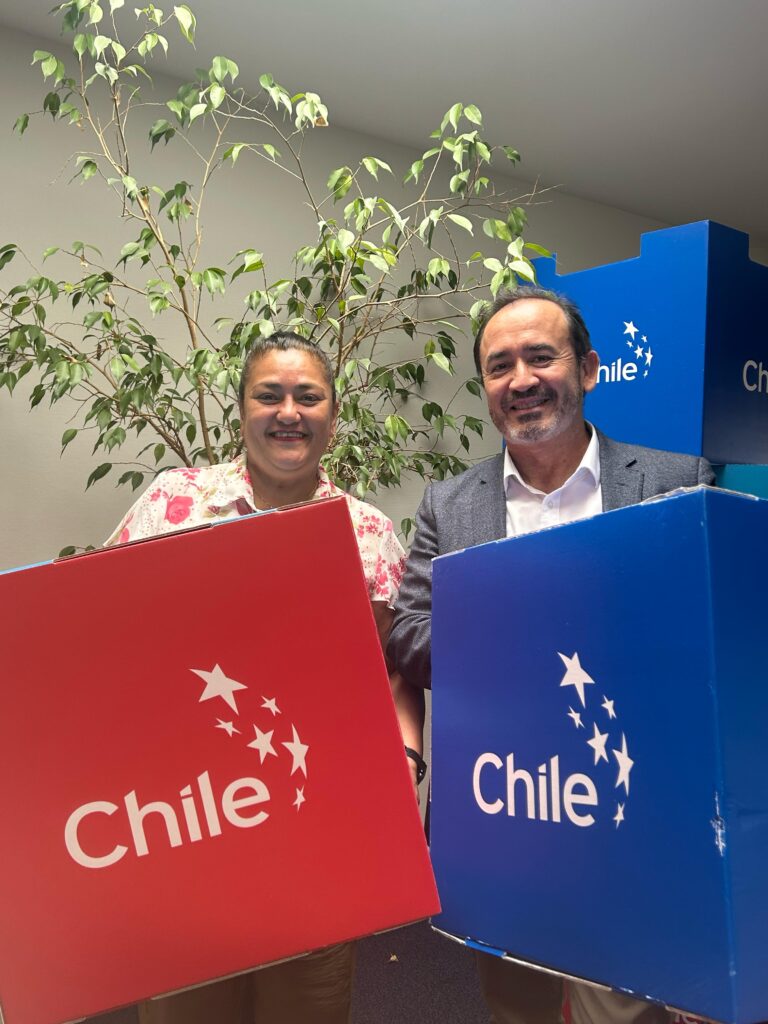
In 2026, ProChile’s office in the Netherlands marks 35 years of uninterrupted presence in one of Europe’s most strategic markets. For more than three decades, this trade representation has served as a bridge between Chile and the Kingdom of the Netherlands, fostering trade, investment, innovation, and long-term business partnerships.
The Netherlands is one of Europe’s principal gateways to international trade. With the Port of Rotterdam—the largest and busiest seaport in Europe—serving as the continent’s primary logistics hub, the country provides Chilean companies with efficient access to millions of European consumers.
Since its establishment in the early 1990s, ProChile’s office in The Hague has supported hundreds of Chilean companies in their international expansion. What began with the promotion of traditional exports such as fresh fruit, wine, and seafood has evolved into a far more diverse agenda encompassing innovative food products, global services, technology, renewable energy, creative industries, and sustainable solutions. Green hydrogen and critical minerals have also become prominent areas of bilateral trade cooperation, reflecting the evolving commercial relationship between the two countries.
The economic partnership between Chile and the Netherlands is built on strong complementarity. Chile offers a high-quality export portfolio backed by internationally recognized sanitary, sustainability, and production standards, while the Netherlands contributes world-class expertise in logistics, agricultural innovation, precision farming, the circular economy, and technological development.
Over the past three decades, ProChile has played a pivotal role in organizing trade missions, coordinating participation in international trade fairs, facilitating business matchmaking, and promoting key export sectors. Chile’s non-traditional exports to the Netherlands—excluding copper and lithium—have reached record levels for two consecutive years, surpassing US$1.7 billion in 2025.
Today, ProChile’s Trade Office in The Hague continues to strengthen Chile’s presence in Europe under the leadership of Commercial Attaché Osvaldo Marinao and a multicultural team working closely with companies, importers, investors, and institutions in both countries. From its offices on Parkstraat, in the heart of The Hague, ProChile continues to promote business opportunities and deepen economic cooperation between Chile and the Netherlands.
The celebration of this 35-year milestone is a tribute to the thousands of entrepreneurs, exporters, business partners, and public officials who have helped build this strong bilateral relationship. It also offers an opportunity to look ahead to a future driven by innovation, sustainability, and ever-closer cooperation between two countries that share a strong international outlook.
At a time when supply chain resilience, the energy transition, and digital transformation are becoming increasingly important worldwide, ProChile reaffirms its commitment to connecting Chilean talent, products, and services with global markets, while strengthening the Netherlands’ role as one of Chile’s most important commercial platforms in Europe.
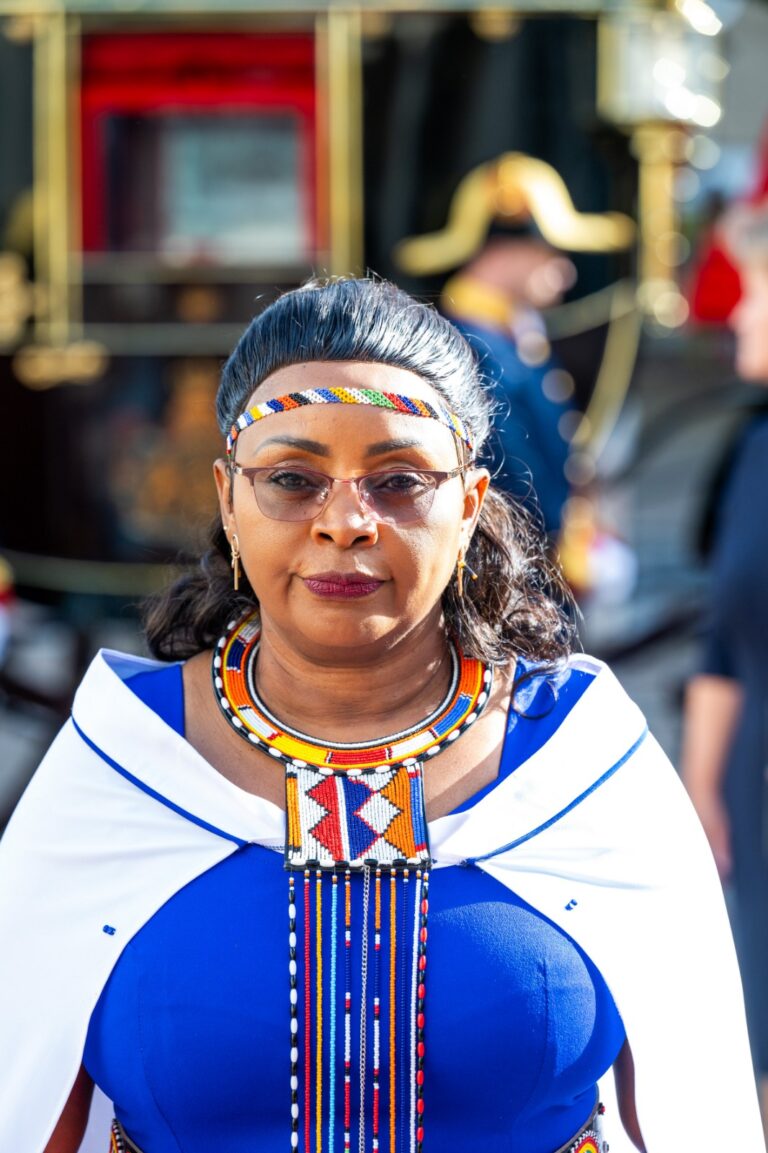
By H.E. Ms. Halima Mucheke, Ambassador of Kenya to the Kingdom of the Netherlands
In a rapidly changing global landscape, nations are increasingly measured not only by economic performance but by their capacity to connect people, ideas, markets, and innovation. Kenya exemplifies this dynamic. Widely recognised as the birthplace of the safari and home to some of the world’s most celebrated wildlife experiences, Kenya today is equally distinguished as a regional economic leader, diplomatic centre, and innovation hub.
The country’s influence is reflected in the role it plays across East Africa and beyond. The Port of Mombasa serves as the principal maritime gateway for several neighbouring countries, while Nairobi has become one of Africa’s leading centres for diplomacy and international cooperation, hosting the United Nations Office at Nairobi alongside numerous international organisations, multinational companies, and development institutions.
Kenya’s active participation in the East African Community and the African Continental Free Trade Area provides businesses with access to a regional market of more than 300 million consumers. Combined with a stable financial sector, expanding infrastructure, and an increasingly favourable investment climate, these partnerships continue to strengthen Kenya’s position as a destination for trade and investment.
The country has also earned international recognition as one of Africa’s leading centres for digital innovation. Kenya pioneered mobile financial services and continues to advance digital inclusion through a vibrant technology ecosystem supported by expanding broadband infrastructure, entrepreneurial talent, and forward-looking public policy. New opportunities are emerging in artificial intelligence, cybersecurity, digital finance, health technology, and education, reinforcing Kenya’s reputation as a creator of solutions with regional and global relevance.
This innovation-driven economy is complemented by sustained investment in transport, renewable energy, and digital infrastructure, while ongoing reforms continue to improve the business environment and foster sustainable economic growth.
Alongside these achievements, Kenya’s natural and cultural heritage remains one of its greatest strengths. From the vast plains of the Maasai Mara National Reserve and the elephant herds of Amboseli National Park, framed by Mount Kilimanjaro, to the white-sand beaches of the Indian Ocean and the historic streets of Lamu Old Town, Kenya offers an exceptional diversity of landscapes and experiences. Equally remarkable is the richness of its many communities, whose traditions contribute to the country’s distinctive cultural identity.
Tourism continues to play a vital role in Kenya’s economy, increasingly shaped by a commitment to sustainability, wildlife conservation, and community development. The country’s internationally recognised conservation initiatives demonstrate how protecting biodiversity can go hand in hand with supporting local livelihoods and creating lasting economic value.
Kenya remains home to the iconic Big Five, the spectacular Great Wildebeest Migration, and some of Africa’s most successful conservation programmes. Beyond wildlife, visitors discover adventure tourism, cultural heritage, world-class conference facilities, and the renowned hospitality for which Kenya is known.
As governments, businesses, and investors seek new partnerships across Africa, Kenya offers an environment where innovation, entrepreneurship, sustainability, and international cooperation reinforce one another. It is a nation that embraces technological progress while safeguarding its extraordinary natural heritage, creating opportunities that extend well beyond its borders.
Kenya’s story is therefore not defined solely by its breathtaking landscapes or remarkable wildlife. It is the story of a confident nation investing in its future while remaining deeply connected to its people, culture, and environment. Whether engaging as an investor, diplomat, entrepreneur, or traveller, those who come to Kenya encounter a country where opportunity and inspiration go hand in hand.
Kenya’s Iconic National Parks and Reserves
Park / Reserve
Highlights
Region
Maasai Mara National Reserve
Big Five wildlife and the Great Migration
Southwest Kenya
Amboseli National Park
Large elephant herds with views of Mount Kilimanjaro
Southern Kenya
Lake Nakuru National Park
Rhinos, flamingos, and exceptional birdlife
Rift Valley
Tsavo East National Park
Red elephants and vast wilderness
Southeast Kenya
Tsavo West National Park
Volcanic landscapes and rich biodiversity
Southeast Kenya
Samburu National Reserve
The unique Samburu Special Five
Northern Kenya
Meru National Park
Untouched wilderness and authentic safari experiences
Eastern Kenya
Aberdare National Park
Forest wildlife, waterfalls, and mountain scenery
Central Kenya
Nairobi National Park
The world’s only wildlife park within a capital city
Nairobi
Ol Pejeta Conservancy
Rhino conservation, chimpanzee sanctuary, and eco-tourism
Article 19(23.06.2026) – The passing of a law by the President of Poland which will establish stronger safeguards against Strategic Lawsuits Against Public Participation (SLAPPs) is a long-awaited victory for media freedom which will provide important legal protections for public interest journalism, the Media Freedom Rapid Response (MFRR) said today.
Our organisations welcome the passing of the amendment, which will establish a strong legal basis in Poland to fight SLAPPs. The law covers both domestic and cross border SLAPPs ensuring implementation of both EU Anti-SLAPP Directive and Council of Europe Recommendation Against SLAPPs. Crucially, the Polish law will provide safeguards against vexatious lawsuits filed against journalists and media domestically, as well as other individuals participating in the public debate.
The bill was signed into law on 19 June by Polish President Karol Nawrocki after being passed in the Sejm on 16 May. The Act on Special Protection Measures in Civil Proceedings for Persons Participating in Public Debate, known as the ‘Anti-SLAPP Act’, will come into effect soon.
The law includes several progressive elements which media freedom groups have long advocated for, including early dismissal mechanisms for vexatious lawsuits, the introduction of security deposits for claimants, and the reversal of the burden of proof on the claimant in SLAPP cases.
Lawsuits identified as manifestly unfounded and instead aimed at suppressing or disrupting public debate can now be declared an abuse of procedural law by a court and dismissed. However, the effectiveness of this protection will depend significantly on judicial practice. The law also provides detailed definitions for identifying SLAPPs.
These changes will significantly increase the power of the courts to swiftly reject extortionate or censorious lawsuits and protect journalists and media carrying out public interest reporting from costly and time-consuming legal battles.
Regrettably, defamation remains a criminal offence in Poland and the new law does not apply to criminal proceedings. As a result, Article 212 of the Criminal Code remains open to abuse by actors seeking to silence public interest speech and reporting. However, the Ministry of Justice has committed to supplementary reform of the country’s criminal code within the current parliamentary term, which runs until November 2027. In addition, the law falls short of allowing defendants to seek compensation within the same proceedings. Those wishing to claim damages will need to initiate a separate legal process, generating additional costs.
Overall, however, Poland’s legislation now represents one of the most well-designed anti-SLAPP laws in Europe, broadly aligns with Council of Europe standards, and should act as an example for other EU Member States in transposing the Anti-SLAPP Directive, the deadline for whichpassed on 7 May.
SLAPPs are a form of vexatious legal harassment commonly filed by powerful companies, businesspeople or politicians which aim to silence legitimate public interest speech, including journalism. In recent years, the MFRR hasdocumented how SLAPPs have become a powerful tool used by political actors in Poland for attempting to muzzle investigative reporting and intimidate watchdog journalism.
Poland has long been one of the EU countries to experience the highest numbers of SLAPPs, according to the Coalition Against SLAPPs in Europe (CASE). The vast majority of SLAPPs in Poland are filed domestically, underlining the importance of the bill going beyond the EU minimum standards and extending to domestic cases.
MFRR partners have long advocated for the passing of such legislation, including with the Ministry of Justice during a mission to Warsaw in 2024. Since 2020, MFRR partners havemonitored and documented different forms of legal threats and SLAPPs in Poland.
With wider media reforms by the Tusk government currently delayed due to political deadlock, the Anti-SLAPP Act represents one of the most positive elements of the current government’s press freedom record to date.
The passing of the bill should provide impetus forwider media freedom reforms in Poland under the European Media Freedom Act (EMFA). MFRR partners welcome the approval of the Anti-SLAPP Act by President Nawrocki, who our organisationspreviously called upon to support such reforms, as well as the cross-party support for this bill in Poland.
MFRR partners hail the work of consortium member ARTICLE 19 Europe, which played a key role in the Polish anti-SLAPP working group, along with the Helsinki Foundation for Human Rights and the Citizen Network Watchdog Poland, and all those who participated in the development and passing of this law.
MFRR partners will monitor implementation of the anti-SLAPP law, continue to document SLAPPs and other forms of abusive lawfare against media actors in Poland, and push for the full decriminalisation of defamation, in line with European standards.
Signed:
International Press Institute (IPI)
ARTICLE 19 Europe
European Federation of Journalists (EFJ)
European Centre for Press and Media Freedom (ECPMF)
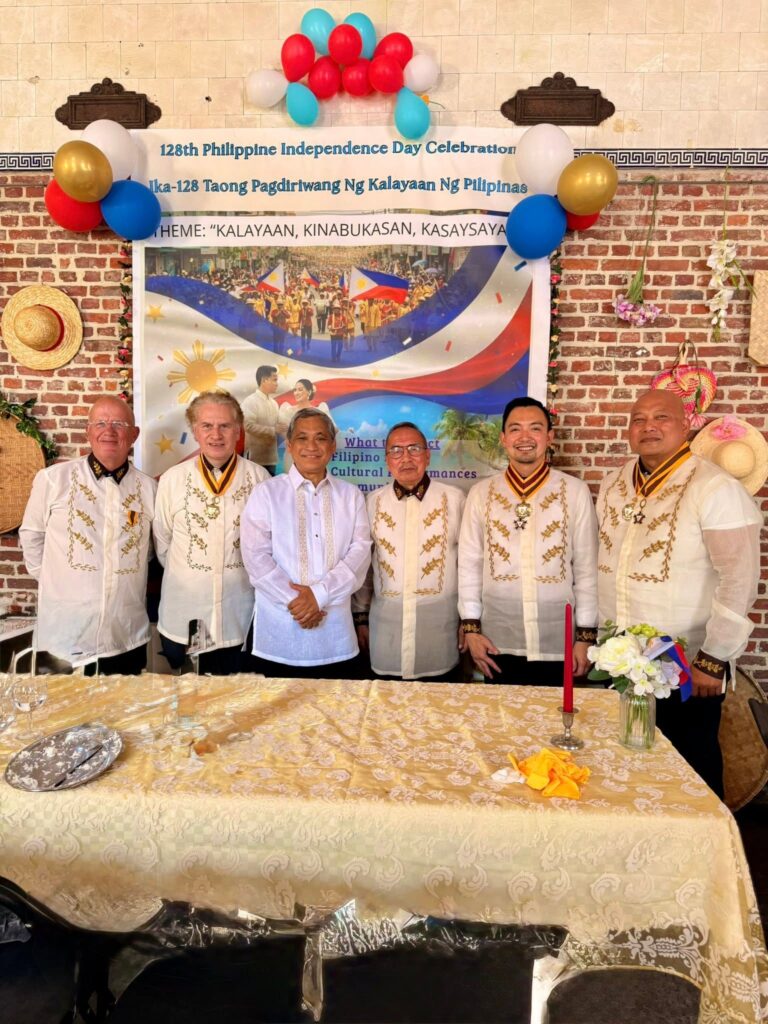
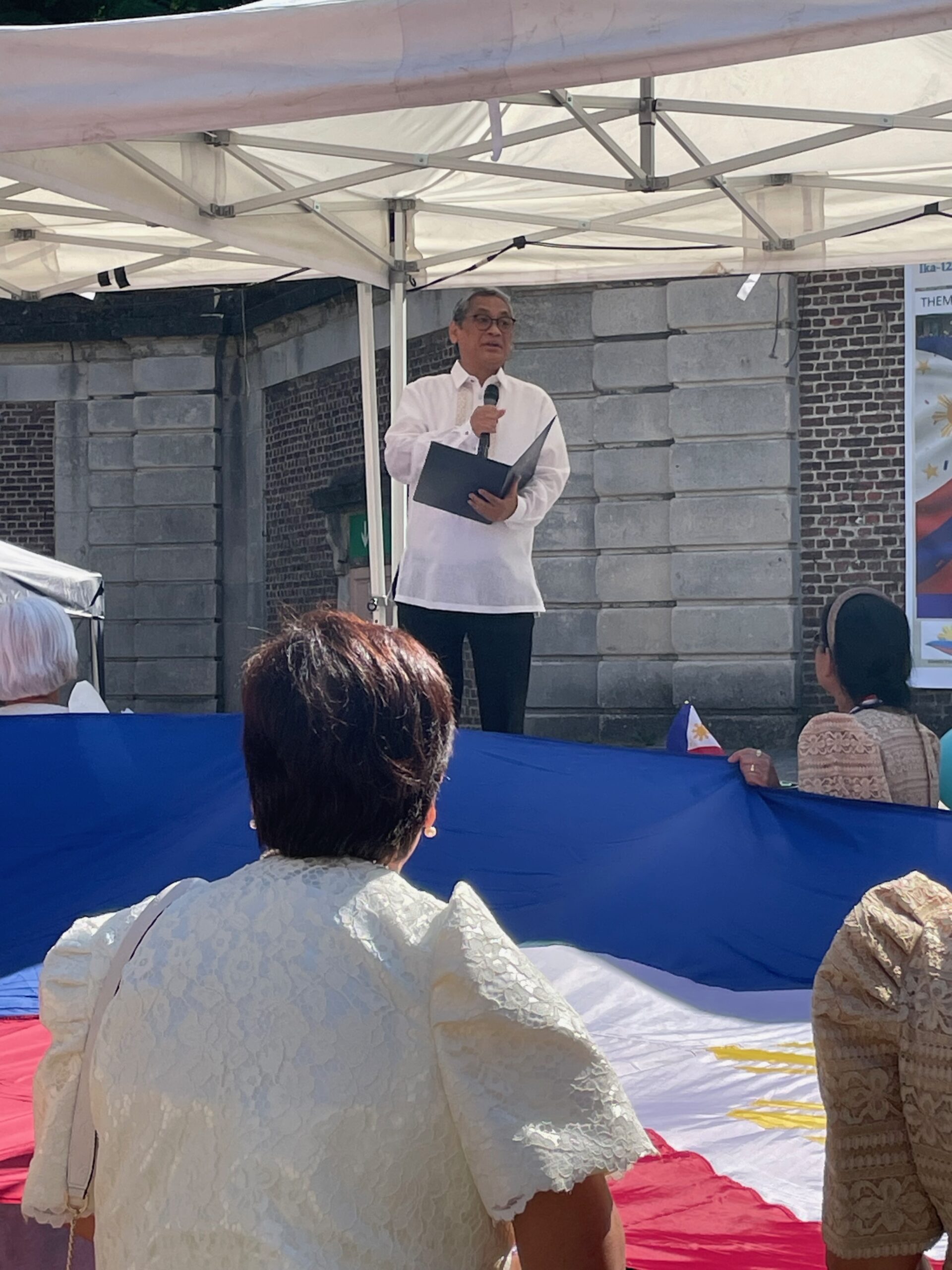
The Philippine Independence Day celebration in Vilvoorde was held on Saturday, June 20, 2026. The event featured – at the Three Fountains Domain Fontigny – a full day of cultural performances, Filipino cuisine, and festive activities. It also included an official Overseas Voting Registration drive conducted by the Philippine Embassy, providing attendees with the opportunity to register for overseas voting.
The Belgium Area of Knights of Rizal attended with al large delegation and presentation stand under the leadership of Sir Geert Verhagen, KGOR Area Commander of Belgium. Also in attendance were the European Regional Commander Sir Johnny Villa, KGOR and former Regional Commanders Sir Tony Guansing, KGCR and Sir Albert Arevalo, KGOR.
H.E. Mr. Jaime Ledda, Ambassador of the Philippines to Belgium, Luxembourg and European Union.
Philippines Ambassador to Belgium, Luxembourg and the European Union H.E. Mr. Jaime Ledda, cited the message by President Ferdinand Marcos jr on the 128th Anniversary of the Proclamation of Philippines Independence (12 June): “ As we honor this day, we are reminded that freedom is not merely a legacy we inherit but a responsibility we must uphold. While our forebears fought colonial oppression through revolution, reform, and intellectual resistance, we face challenges of a different kind today.
We must protect truth from distortion, harness technology wisely, and restore trust in a time increasingly marked by division and distrust. How we respond to these demands will shape the course of our nation and define what we pass on to future generations. As we continue to write our national story, we pay tribute to the heroes who secured our liberty and to the countless Filipinos who have devoted their lives to advancing the common good. May this occasion deepen our understanding of the past and inspire a renewed sense of duty to our country.
Through active citizenship, good governance, and solidarity, may we continue building a Bagong Pilipinas worthy of the sacrifices that secured our sovereignty and of the dreams and aspirations that gave birth to our Republic. I wish everyone a meaningful Independence Day celebration”
Ambassador Ledda welcoming all guests including Knights of Rizal from Netherlands. Between 2013-2020 he served as ambassador in the Netherlands where in his residency the first chapter of Knights of Rizal was chartered in 2015, initiated by the current Area Commander in the Netherlands Sir Anton Lutter, KCR.
The Dutch delegation in Vilvoorde included former – Deputy Area Commander Sir Chris Kopp, KCR, Amsterdam Chapter Commander Sir Mark Hernandez, KCR and The Hague Chapter Chancellor Sir Eduard Slootweg, KR. The friendship between the Belgians and Dutch is well known, highlighted recently by a visit of Belgian knights to the Philippines Embassy in The Hague.
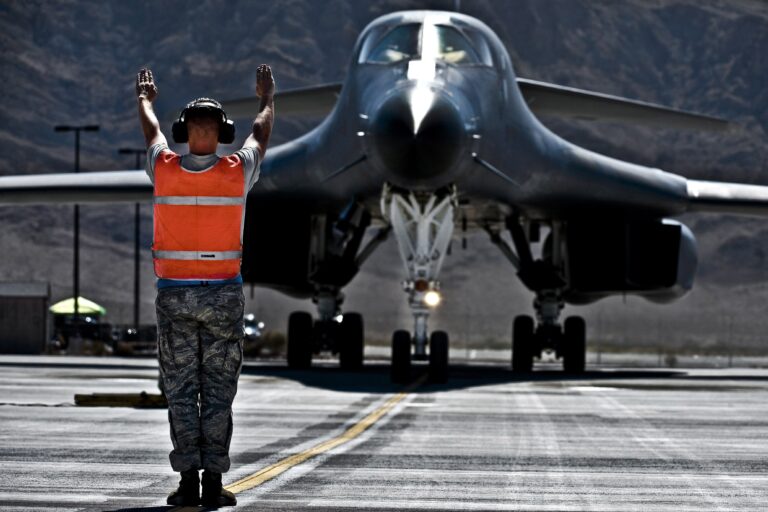
In international politics, geography is rarely just geography. A military base located on the territory of one state can become a strategic asset for another, but it can also transform the host country into a potential frontline during times of conflict.
Across the Middle East, foreign military presence has long shaped regional security dynamics. The United States maintains a network of military facilities, airfields, naval support points, and logistical hubs across several Gulf states, including Qatar, Bahrain, Kuwait, the United Arab Emirates, and Saudi Arabia. These installations form a central part of Washington’s regional defence structure.
Yet beneath these security arrangements lies a complex question of international law: when a state allows its territory to be used for military operations against another country, does it assume any legal responsibility for the consequences?
The question has gained renewed attention amid rising tensions between the United States and Iran, but the underlying legal issue extends far beyond any single conflict. It concerns a broader dilemma faced by states hosting foreign military forces: how far does responsibility extend when national territory becomes part of another state’s military operations?
The starting point of this debate is Article 2(4) of the United Nations Charter, which prohibits the “threat or use of force against the territorial integrity or political independence of any state.” Since the creation of the United Nations in 1945, this principle has remained one of the foundations of the international legal order.
International law recognises two primary exceptions to this prohibition. The first is the right of self-defence under Article 51 of the UN Charter following an armed attack. The second is the use of force authorised by the United Nations Security Council under Chapter VII.
Where military action falls outside these exceptions, its legality becomes highly contested.
This raises an important question for states that host foreign military forces. If another country launches attacks from their territory, and those attacks are considered unlawful, could the host state also face international responsibility?
One of the most relevant references comes from United Nations General Assembly Resolution 3314 of 1974, which defines aggression. Article 3(f) identifies as an act of aggression:
“The action of a State in allowing its territory, which it has placed at the disposal of another State, to be used by that other State for perpetrating an act of aggression against a third State.”
Although General Assembly resolutions are not legally binding in the same way as treaties, Resolution 3314 has played an important role in shaping international legal discussions on aggression and state responsibility.
The principle behind this provision is significant: a state does not necessarily have to fire the first shot to become legally relevant. Allowing its territory to be used as a platform for unlawful military action may create questions of responsibility, particularly where the state has knowledge of, and facilitates, those operations.
Recent conflicts demonstrate how complicated this issue can become.
During Russia’s 2022 invasion of Ukraine, Belarus allowed Russian forces to use its territory for military operations, including troop movements and missile launches. Ukraine and several Western governments argued that Belarus had become a facilitator of Russia’s military campaign, even though Belarus did not conduct the main combat operations itself.
A similar debate emerged during the 2003 US-led invasion of Iraq. Several Gulf states provided logistical support, access, and military infrastructure for coalition operations. Because the legality of the invasion remains disputed among international lawyers, questions were raised regarding the position of states that enabled those operations through their territory and facilities.
The issue also appeared during counterterrorism operations in the region. States providing airspace access, intelligence cooperation, or logistical assistance to foreign military campaigns have often faced domestic criticism and security risks because armed groups may view them as participants rather than neutral actors.
However, hosting foreign military forces does not automatically make a state a party to every operation conducted by those forces. Governments usually distinguish between allowing another country to maintain military facilities and directly controlling decisions about the use of force.
Many defence agreements are structured around this distinction. A host state may argue that it does not plan, approve, or command specific operations carried out by foreign forces based on its territory.
International law, however, focuses not only on formal arrangements but also on conduct. Questions may arise regarding whether the host state knew about particular operations, whether it assisted, and whether that support contributed to an unlawful act.
The International Law Commission’s Articles on State Responsibility address this issue through the concept of aiding or assisting another state in committing an internationally wrongful act. Under Article 16, a state may incur responsibility if it knowingly assists another state in carrying out conduct that violates international law.
The most sensitive issue concerns possible retaliation.
If a military facility located in another country is used to launch attacks, can that facility become a lawful target during an armed conflict?
Under international humanitarian law, military objectives may be targeted when they make an effective contribution to military action and when their destruction offers a definite military advantage. A base actively used for launching attacks may therefore be considered a military objective.
However, this does not provide unlimited permission for attacks. Any military response must still comply with the fundamental principles of distinction, proportionality, necessity, and precautions in attack. Civilian populations and civilian infrastructure remain protected under international humanitarian law.
A further legal debate concerns the position of the host state itself. If a government knowingly allows its territory to be used for offensive military operations, another state may argue that the host country has become involved in the conflict. The host government, however, may reject this interpretation and maintain that foreign military presence does not automatically remove its status as a non-belligerent state.
Ultimately, international law often faces a gap between legal principles and political reality. Powerful states frequently rely on broad interpretations of self-defence, while international institutions may struggle to respond effectively because of geopolitical divisions and Security Council dynamics. Nevertheless, one principle remains clear: military partnerships bring not only strategic benefits but also legal and political consequences.
For states hosting foreign bases, the challenge is balancing security cooperation with the risk that their territory may become part of conflicts they did not choose. A military installation may protect during times of peace, but during escalation, it can also turn into a potential target. In modern warfare, strategic geography rarely remains neutral. The presence of foreign forces can reshape not only regional security calculations but also the legal responsibilities of the states involved.
About the author:
Ayesha Asim is a legal academic, researcher, and PhD Scholar in Law. She holds an LLM in International Law (Gold Medalist) and has experience in legal research, teaching, and advisory roles. Her areas of interest include international law, humanitarian issues, and other contemporary legal challenges. You can reach her at ayeshamalyc09@gmail.com
Employees have a right to privacy in their private lives. This also applies to sick employees. However, they must also comply with their reintegration obligations and provide accurate information about their illness. What options does the employer have to check whether they are actually doing this?
By Jan Dop
If there are serious doubts about whether an employee is ill, employers may engage an investigation agency, provided that the infringement of the employee’s right to privacy is limited. If the findings of the investigation agency show that an employee is not telling the truth about their limitations and ability to work during illness, they risk dismissal. This is also evident from a recently published ruling by the Rotterdam District Court.
Ill or not ill?
Shortly after the end of his probationary period, a lorry driver reported sick because he had twisted his knee. The employer then came by to bring him a bouquet of flowers, but the employee did not open the door. The employee was also not at home during a second visit on the same day. More than a week later, he wrote to his employer in WhatsApp messages that he was unable to leave the house and had to walk with crutches.
The employer was suspicious, went to the employee’s home again and saw the employee walking down the stairs without crutches and driving a car. This was before a visit to the company doctor, where the employee reported that he was unable to walk without crutches and unable to drive himself.
Based on these findings, the employer engaged an investigation agency. The agency found that the employee was outside several times a day, walking up and down stairs or running at a brisk pace, and walking dogs in his slippers, with a large dog pulling hard on the leash. He also went to shops, walked across an uneven football pitch and drove a car. All this without crutches and without any visible limitations. The employer then dismissed the employee with immediate effect on the grounds of incorrect and incomplete statements about the severity of his limitations and his ability to work during illness.
The employee argued in court that the summary dismissal was unjustified. He was genuinely ill and limited in his abilities. What he had done and what the investigation agency had seen was more than he could handle. The court dismissed this argument. Even if this was true, he was still capable of more than he had told his employer and the company doctor. Moreover, after twisting his knee on the last day of his probationary period, he had still worked for another day without his colleagues noticing that he had physical limitations.
Violation of privacy?
The employee tried another way to get the summary dismissal reversed. He argued that bringing in the investigation agency was an unacceptable violation of his right to privacy. He didn’t convince the magistrate: the employer had good reason to doubt the limitations claimed by the employee, which could justify the investigation. Although an employer should be cautious about approaching a sick employee themselves, the initial visits were certainly permissible: the employer did not intend to observe the employee, but only wanted to cheer him up by bringing him a bouquet of flowers.
The employer should perhaps not have visited the employee’s home again after that, but was entitled to use the findings in its decision to engage an investigation agency. In this case, the employer’s interest in uncovering the truth outweighs the employee’s right to privacy. Finally, the seriousness of the infringement was limited: the employer observed the employee on public roads for a short period of time, namely four days.
Everything showed that the employee did not have the physical limitations he claimed to have. The employee therefore made incorrect and incomplete statements about his incapacity for work. In doing so, he also acted in breach of his reintegration obligations during illness. According to the subdistrict court, this justifies summary dismissal. That dismissal therefore remains in force. The employer is also not required to pay a transition allowance.
Are you involved in a dispute with an employee who is unable to work? Or do you have other questions about employment law? Please contact the Embassy Desk of Russell Advocaten. We are dedicated to helping you! jan.dop@russell.nl +31 20 301 5555
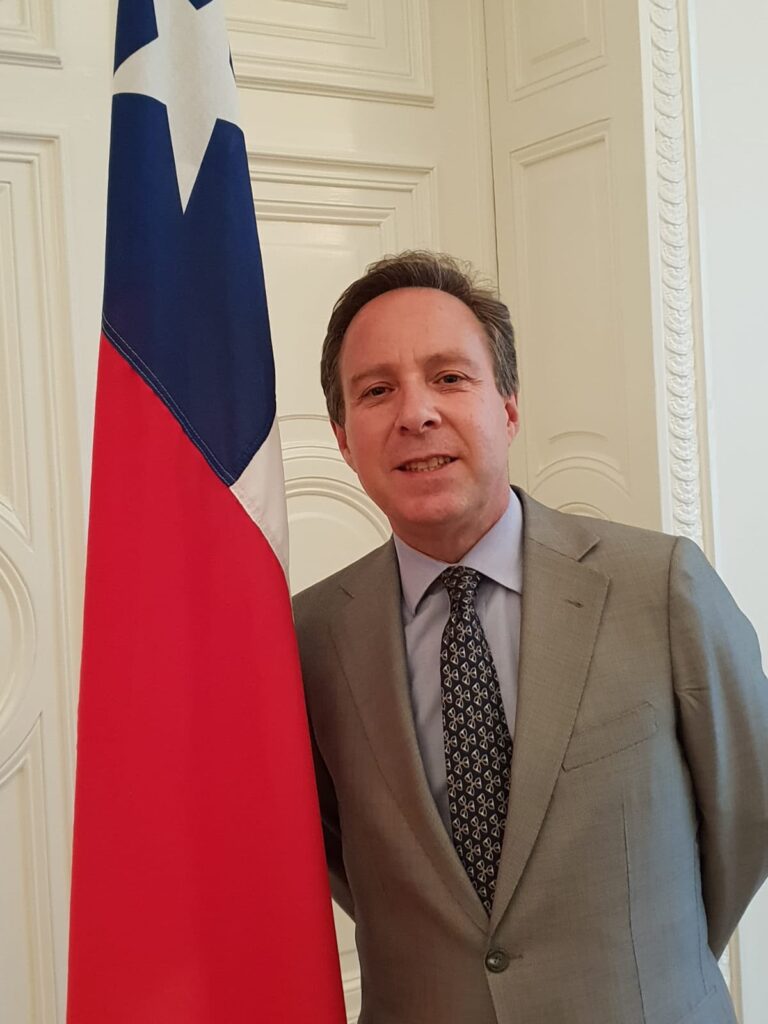
H.E. Hernán Bascuñán presented his Letters of Credence to His Majesty King Willem-Alexander on 24 June 2026, officially beginning his tenure as Ambassador Extraordinary and Plenipotentiary of the Republic of Chile to the Kingdom of the Netherlands. The ceremony took place at Noordeinde Palace in The Hague, following traditional diplomatic protocol, including the presentation of national honours and a private audience with the Dutch Head of State.
Born in Santiago de Chile on 2 May 1961, Ambassador Hernán Bascuñán is a lawyer and career diplomat specialized in Public International Law and International Relations. He graduated in Law from the University of Chile and obtained his professional qualification as a lawyer in 1987. He later joined the Andrés Bello Diplomatic Academy of Chile, where he received the “Barros Jarpa” Prize for the best student of his class. He also completed the Foreign Service Programme at the University of Oxford and obtained a Diploma in Foreign Service from the Pontifical Catholic University of Chile.
The Ambassador of Chile, H.E. Hernán Bascuñán presenting his credentials to His Majesty King Willem Alexander.
Throughout his diplomatic career, Ambassador Bascuñán has held several senior positions within the Chilean Ministry of Foreign Affairs and represented his country in Europe and Latin America. Before his appointment to The Hague, he served as Director of the Andrés Bello Diplomatic Academy of Chile, the institution responsible for the training of Chile’s future diplomats.
His previous diplomatic assignments include Ambassador of Chile to the Czech Republic (2022–2024) and Ambassador to Sweden and Latvia (2018–2022). Earlier in his career, he served as Deputy Director of the Strategic Planning Department of the Ministry of Foreign Affairs, Consul General of Chile in São Paulo, Brazil, and diplomat at Chilean missions in the United Kingdom, Sweden, Latvia, the Czech Republic, and Slovakia.
Ambassador Bascuñán also brings extensive experience in multilateral affairs, having worked within the Ministry of Foreign Affairs’ Department of Multilateral Policy, including responsibilities related to Chile’s participation in the United Nations Security Council.
With his extensive diplomatic background and expertise in international relations, Ambassador Hernán Bascuñán will contribute to further strengthening the longstanding partnership between Chile and the Netherlands, advancing cooperation in areas such as sustainable energy, trade, innovation, multilateral diplomacy, international law and shared global challenges.
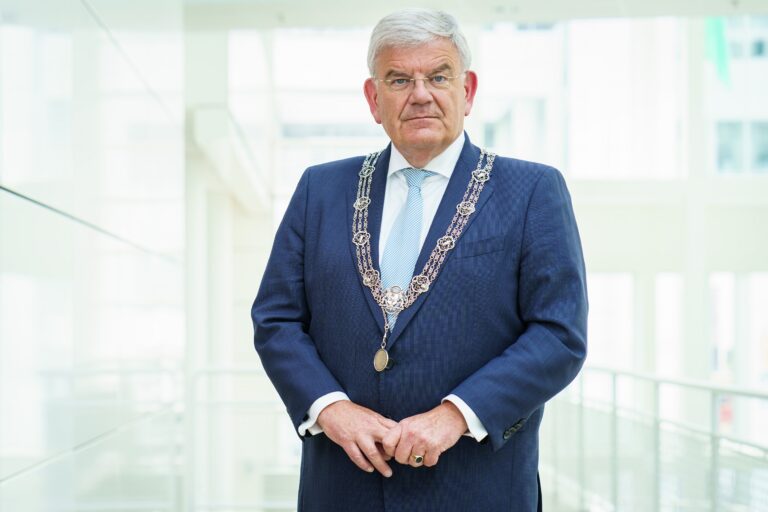
Nowhere does the Netherlands look as organised as in Madurodam; I realised this again during a recent visit. My eyes swept over the Amsterdam canals, with the Westerkerk standing as a proud landmark. A little bit further, I admired the Frisian Wouda pumping station. With a few more steps, I was standing next to the Peace Palace in The Hague. Trains ran on schedule, and traffic jams were non-existent. Welcome to the ideal society, scale 1:25.
Outside the gates of Madurodam, the real city of The Hague was waiting. Not The Netherlands in miniature, but rather, the world pocket-sized. Because with 180 nationalities, 110 embassies, and at least 550 international organisations, our city is literally a ‘global village.’
You notice it daily on the streets. An embassy employee parks their bike next to a family cargo bike. In a coffee bar near the Anna Paulownaplein, a team from an international organisation discusses its plans, while at the bar, someone is on a call with New York or Nairobi. English is a given, but you hear French, Spanish, or Arabic just as often. No one even blinks.
The Hague does not have a diplomatic district set apart from the rest of the city. Embassies are housed in old stately townhouses; international organisations share their neighbourhoods with homes, schools, and shops. International work happens in the midst of daily life. The distance between a high-level meeting and a tram stop is often shorter than the distance between theory and practice.
In Madurodam, the Binnenhof always looks complete and fully in use. In The Hague, the real Binnenhof is hidden behind fences and scaffolding. It is being renovated and is temporarily closed, while political work continues elsewhere. That difference is telling. Our city cherishes its symbols, but it will not be paralysed by them. When work has to be done, the work moves.
This is equally true for The Hague as the international city of peace and justice. The Peace Palace is not a stage set, but it is an office where people walk in every day carrying files and notes. A little further down are the institutions dealing with war crimes, human rights, cybersecurity, or conflict mediation. The conversations are seldom spectacular. They are about definitions, case law, and wording that must hold up under scrutiny.
For diplomats and other internationals, The Hague is often an interim stop. Postings last a few years, sometimes longer, sometimes shorter. Yet, a routine quickly takes hold. Regular lunch spots, familiar faces at gatherings, the same walking routes through the city. In this respect, The Hague shows surprisingly clear similarities to Madurodam. Everything here is in close proximity. Distances are short, the connection between institutions is visible.
But while little to nothing changes in the miniature park, The Hague is in constant motion. Teams rotate, priorities shift, and new crises emerge. Our city doesn’t resist these flows; it adapts fluidly where possible and facilitates where necessary.
Now that the international legal order faces global pressure, The Hague remains unwavering in its support. A steadfast commitment for which U.N. Secretary-General António Guterres explicitly expressed his appreciation during our meeting in April, when he visited our city for the 80th anniversary of the International Court of Justice.
Those who visit Madurodam see the Netherlands as an idealised concept. Those who work in The Hague see international cooperation as it truly functions: as daily work involving concrete issues, agendas, and interests.
That work is carried out by people like you. By people who give our city colour, weight, and international grandeur. People who bring the world to The Hague and The Hague to the world. As you can see: we are happy to have you.
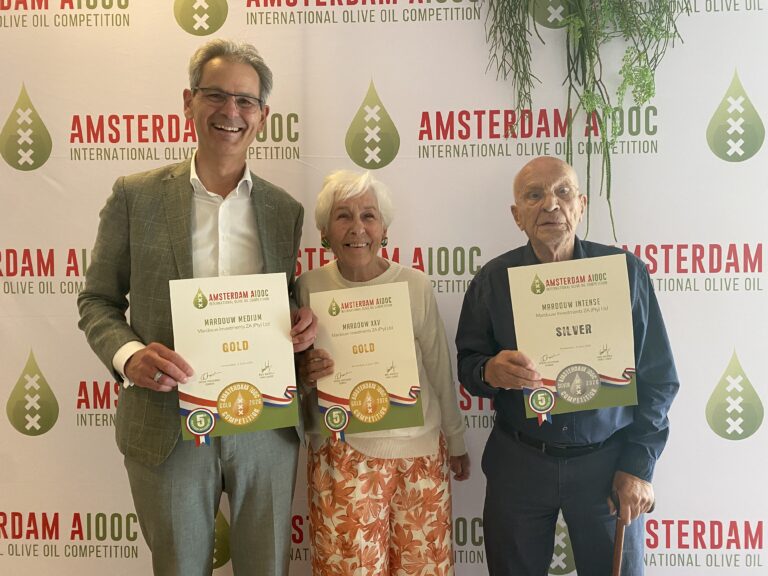
South Africa’s growing reputation as a producer of world-class extra virgin olive oils received another boost as Mardouw Olive Estate secured two Gold Awards and one Silver Award at the Amsterdam International Olive Oil Competition (IOOC), one of Europe’s respected olive oil competitions.
The Western Cape-based estate was awarded Gold for its Mardouw XXV Medium and Mardouw XXV Medium Limited Edition extra virgin olive oils, while its Mardouw XXV Intense received a Silver Award. The recognition adds to a remarkable series of international distinctions earned by the estate in recent years.
The latest success follows Mardouw’s historic achievement earlier this year when it was ranked #24 in the 2025 EVOO World Rankings, the highest position ever attained by a South African olive oil producer. The ranking placed South Africa among the world’s emerging premium olive oil nations, despite the country accounting for only a fraction of global production compared with traditional Mediterranean producers.
Speaking after the awards ceremony in Amsterdam, Mardouw CEO Gerbrand Nijman noted that the recognition supports the estate’s ambition to strengthen its standing among the world’s leading olive oil producers. He also highlighted the significance of receiving the awards alongside founders André and Marijke Verder, whose vision has guided the estate since its establishment more than two decades ago.
Located near Swellendam in the Western Cape, Mardouw Olive Estate covers approximately 1,000 hectares and is home to around 50,000 olive trees nestled at the foothills of the Langeberg Mountains in the Breede River Valley. Founded in 2002, the family-owned estate maintains full control over the production process, from cultivation and harvesting to pressing and bottling, a model that has contributed to its reputation for quality and consistency.
Over the past four years, Mardouw has become South Africa’s most awarded olive oil producer, earning recognition at major international competitions in Europe and beyond. Its continued success reflects the broader progress of South Africa’s olive oil industry, which is increasingly gaining attention for producing premium extra virgin olive oils capable of competing with some of the world’s most established producers.
Consumers in the Netherlands can find Mardouw’s award-winning oils at Gastrovino Mijn Hemel in Hilversum and VomFASS in Wassenaar. In Belgium, the products are available through Lourdon Delicatessen in Brasschaat and Rodenburg Home & Garden in Schoten.
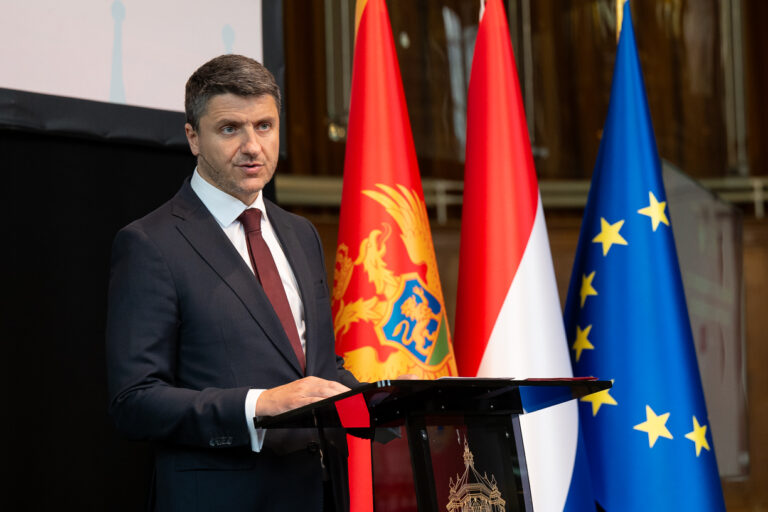
H.E. Mr. Milisav Raspopović, the Ambassador of Montenegro, hosted an impressive reception to mark the 20th Anniversary of Montenegro’s Restoration of Independence.
This notable event took place on Wednesday, June 10, 2026, at the prestigious Nieuwe Kerk in The Hague, drawing a diverse crowd of fellow ambassadors, diplomats, international representatives, local officials, and members of the diaspora.
It was a momentous occasion, celebrating Montenegro’s first diplomatic National Day in The Hague, and it underscored the nation’s commitment to fostering international relationships.
Earlier, on May 21, 2026, Montenegrins celebrated in Podgorica’s Independence Square, proudly honoring their restored independence from Serbia. This historic milestone was met with lively festivities, including spectacular concerts featuring renowned international pop and electronic artists like Ricky Martin and DJ Robin Schulz.
Moreover, a high-profile national event was conducted, with EU officials in attendance, including European Commissioner for Enlargement Marta Kos. This gathering was a powerful affirmation of Montenegro’s significant strides toward EU accession, highlighting its role as a leading contenderr in the region.
20th Anniversary of Montenegro’s Restoration of Independence.
Here are the welcome remarks by H.E. Mr. Milisav Raspopović, the Ambassador of Montenegro.
“It is my great pleasure to welcome you this evening as we celebrate the Independence Day of Montenegro.
This year’s celebration carries particular significance as we mark twenty years since the restoration of Montenegro’s independence and twenty years of diplomatic relations between Montenegro and the Kingdom of the Netherlands.
Two decades ago, the citizens of Montenegro made a historic decision to restore our independence through a democratic referendum held in accordance with the highest international standards. That decision reflected our determination to build Montenegro as a sovereign, democratic and European state.
Today, Montenegro remains firmly committed to strengthening democratic institutions, advancing the rule of law and achieving its strategic goal of full membership in the European Union.
One of the more curious similarities between Montenegro and the Netherlands is that we regularly compete for the title of the tallest nation in the world. You would therefore expect us to be unbeatable in basketball. Unfortunately, height alone is not enough.
Fortunately, our countries also regularly meet in water polo. Earlier this year, Montenegro and the Netherlands faced each other at the European Championship. The only complication was that the Dutch national team head coach is from Montenegro. So by the end of the match, we were not entirely sure whom we were supposed to support. Perhaps that is the perfect reflection of the relationship between our two countries. Even when we find ourselves on opposite sides, we somehow still end up on the same team.
The Netherlands has been a valued partner of Montenegro throughout our reform and European integration process. We greatly appreciate the political support, expertise and practical assistance that the Netherlands has provided over the years, including through programs such as MATRA, which have helped strengthen institutions and support reforms across our country.
The Dutch approach to EU enlargement is often described as strict and fair. We understand the importance the Netherlands attaches to the rule of law, institutional resilience and security. At the same time, we appreciate an approach that recognizes and rewards tangible progress.
As a reliable NATO Ally and a country fully aligned with the European Union’s Common Foreign and Security Policy, Montenegro remains committed to regional stability, good neighbors relations and the European future of the Western Balkans.
Relations between our two countries have gained new momentum in recent years. Following the opening of our Embassy in The Hague, the first official visit of the President of Montenegro to the Netherlands took place, and our Ministries of Foreign Affairs held their first political consultations.
Just last week, Montenegro welcomed leaders from across Europe for the very successful EU–Western Balkans Summit, including, among others, Dutch Prime Minister Rob Jetten. While his participation was linked to the Summit, the occasion also marked a historic milestone in our bilateral relations, as it was the first visit to Montenegro by a Prime Minister of the Kingdom of the Netherlands.
Political dialogue is not the only thing bringing our countries closer together. Direct air connections, including recently introduced the year-round route between Maastricht and Podgorica and the seasonal flight between Amsterdam and Tivat, have also helped strengthen ties between our citizens, business communities and tourism sectors.
We are convinced that the best is still ahead of us. There is plenty of room to strengthen cooperation, encourage new investments and bring our countries even closer together.
The Hague, the home of our Embassy, holds a special place in our relationship with the Netherlands. As the international city of peace and justice, it reflects values that Montenegro deeply supports, such as respect for international law, human rights, sovereignty and cooperation among nations. At a time when these principles are facing serious challenges, preserving them remains a shared responsibility for all of us.”
Slavica Milic of Luštica Bay
In a message to the Montenegrin community in the Netherlands, Ambassador Raspopović highlighted
“Dear fellow citizens, many of you built your lives in the Netherlands long before Montenegro established its diplomatic presence here. Through your work, achievements and personal connections, you represent the very best of Montenegro.
Over the years, you have become an important bridge between Montenegro and the Netherlands, helping bring our countries and our people closer together.
For all of this, we are sincerely very grateful.
As we mark these two important anniversaries, we can look back with pride on the partnership between Montenegro and the Netherlands, which is built on mutual respect, trust and shared values.
The progress we have achieved together gives us every reason to look to the future with confidence. I am certain that the next chapter of our relationship will bring even closer cooperation and new opportunities for our countries and our people.
Before I conclude, let me express my sincere appreciation to our sponsors. I am pleased to welcome representatives of Luštica Bay, one of Montenegro’s most ambitious tourism and investment projects, who will shortly present their vision right after. I would also like to thank Expo Commerce, a company that has been connecting Montenegro with international markets for more than three decades.
Thank you for being with us this evening and I wish you all prosperity, success and every happiness.
Živjela Crna Gora.
Long live Montenegro or as the Dutch would say Lang leve Montenegro!”
Slavica Milic of Luštica Bay, one of the sponsors of the festivities, held a captivating exposé onthe tourism and investment scheme at Luštica Bay.
The reception featured a delightful Montenegro walking dinner buffet
and cocktails, creating a friendly atmosphere for guests to mingle, enjoy delicious food, and fully embrace the jubilation of Montenegro’s 20th anniversary celebration.