
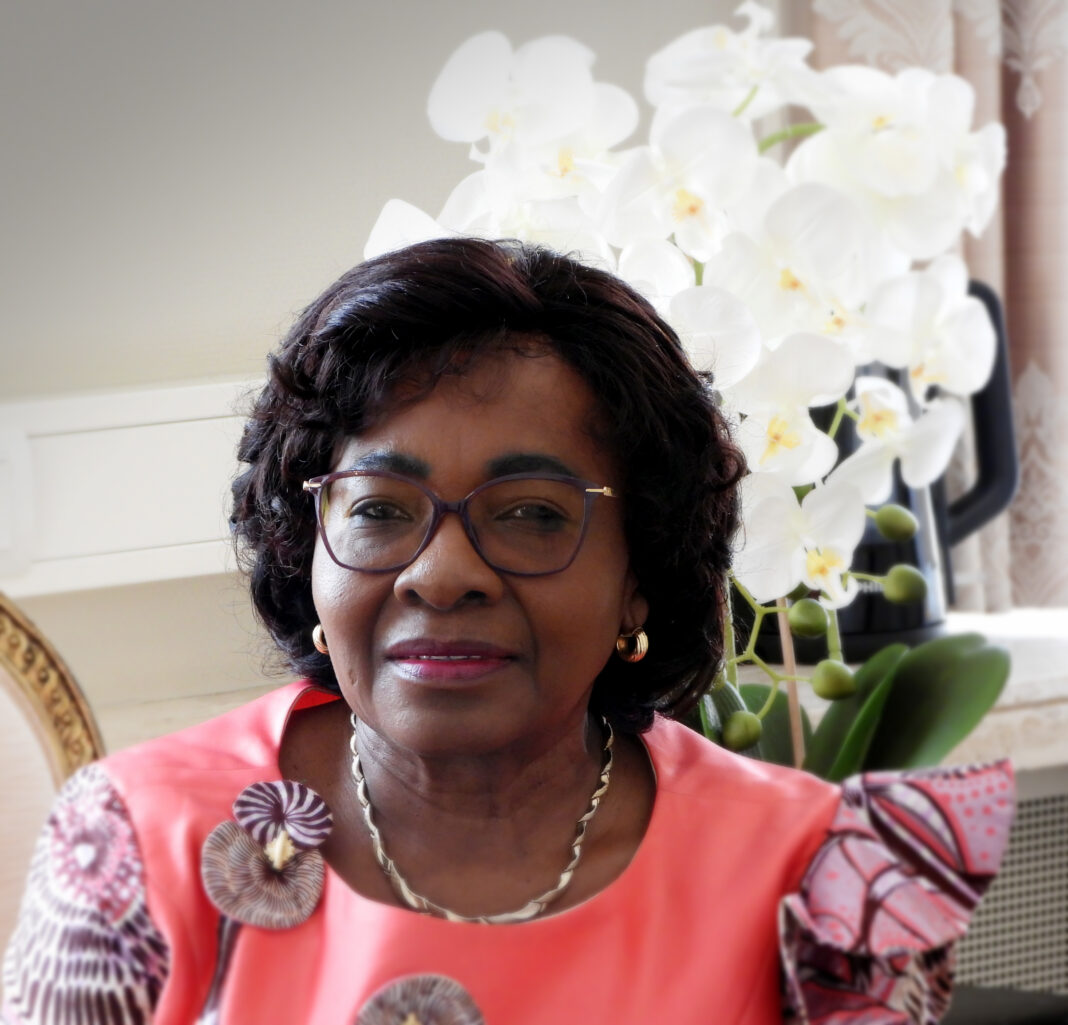

By H.E. Ambassador Lizeth N. Satumbo Pena, Ambassador of the Republic of Angola to the Kingdom of the Netherlands
The relationship between Angola and the European Union has grown steadily over the years, supported by a strong framework of political dialogue and economic cooperation. Instruments such as the Cotonou Agreement and the Angola–European Union Joint Way Forward have reinforced our shared commitment to sustainable development, investment and mutual prosperity. Seven high-level meetings under this framework have already produced encouraging results, paving the way for an even closer partnership.
Within this context, the Netherlands has emerged as an important partner in Angola’s economic diversification strategy. While Angola remains one of Africa’s leading energy producers, our vision extends far beyond oil. We are committed to building a diversified, resilient and competitive economy that offers opportunities across agriculture, logistics, renewable energy, digital governance and human capital development.
A significant example of this cooperation is the European Union’s Global Gateway initiative, through which more than €2 billion has been committed to the development of the Lobito Corridor. This strategic infrastructure project, linking Angola with the Democratic Republic of the Congo and Zambia, is becoming a major economic gateway for Southern and Central Africa and an engine for regional integration.
Dutch expertise has already contributed to several landmark initiatives. The Caála Logistics Platform will strengthen Angola’s agricultural value chain by improving the storage, preservation and distribution of agricultural, industrial and mineral products while creating an efficient connection between the Central Plateau and the Lobito Economic Development Corridor.
Equally promising is the Angola Highlands Avocado Cluster, an initiative that is positioning Angola as a competitive supplier of premium avocados to European markets. Benefiting from the unique microclimate of Huambo Province, the first certified shipment reached the Port of Rotterdam in 2025, demonstrating Angola’s growing capacity to meet the highest international quality standards. The successful export of dried mango, papaya, pineapple and ginger from Benguela to Rotterdam further illustrates the expanding potential of our agricultural sector.
These achievements confirm that agriculture and logistics are becoming important pillars of Angola’s economic transformation. At the same time, opportunities for Dutch investors extend to renewable energy, water management, technical and vocational education, healthcare, digital governance, public finance management and sustainable infrastructure.
Energy, however, remains a strategic sector for Angola. The volatility of global oil and gas markets reminds us of the importance of balancing immediate economic realities with long-term sustainability. We believe that closer cooperation with strategic partners such as the Netherlands—recognized worldwide for its expertise in renewable energy and energy logistics—can accelerate Angola’s transition towards a more diversified energy mix.
The Government of Angola is pursuing this transition through ambitious projects that complement our traditional energy sector. These include the Caraculo Photovoltaic Project in Namibe Province, developed by Sonangol and ENI; the Quilemba Solar Project in Huíla Province, in partnership with TotalEnergies; a Green Hydrogen Project, currently in its feasibility phase; biofuel initiatives involving ANPG, Sonangol and ENI; and an innovative reforestation programme designed to restore arid regions while contributing to environmental sustainability.
Economic diplomacy, however, is not measured solely by trade figures or investment flows. Long-term development depends equally on people, knowledge and innovation.
For this reason, education and vocational training occupy a central place in Angola’s National Development Plan 2023–2027. Through the 2026 Annual National Development Plan, our Government has prioritised human capital development with thousands of development activities and public investment projects designed to improve skills, increase employability and strengthen national competitiveness.
In this area, the Netherlands offers valuable experience. Its internationally respected education system, closely aligned with labour market needs, provides an excellent model for cooperation. Expanding partnerships between Angolan and Dutch universities, technical institutions and research centres would facilitate knowledge transfer, promote innovation, strengthen vocational training and prepare a new generation of professionals capable of driving Angola’s economic transformation.
The future of Angola–Netherlands relations rests on complementary strengths. Angola offers abundant natural resources, a young and dynamic population, expanding infrastructure and strategic access to regional markets. The Netherlands contributes world-class expertise in logistics, agriculture, water management, renewable energy and innovation.
Together, we can build a partnership that goes beyond traditional trade—one that creates sustainable growth, generates opportunities for both our peoples and contributes to a more resilient and prosperous future.